You’ve probably been there. A room is half-finished, the old sofa no longer fits how you live, and every decision seems tied to five others. If you change the rug size, the coffee table should change. If you keep the dining set, the lighting and wall color may need to work harder. If you order custom upholstery, you want to get it right the first time.
That’s where interior design consultation services earn their keep. Good guidance doesn’t just make a room look better. It helps you avoid buying pieces that are the wrong scale, the wrong material, or the wrong fit for the way your household lives.
In a family furniture business, you see the same pattern for decades. People rarely regret slowing down and planning well. They regret rushing, settling, or buying on impulse. Since 1933 in South San Francisco, that lesson has held up better than any passing style trend.
What Are Interior Design Consultation Services
Interior design consultation services are professional planning sessions that help you make sound decisions about layout, furniture, materials, color, and overall flow before you commit to purchases. In practical terms, they sit between guesswork and full project management. They give homeowners a clearer path.
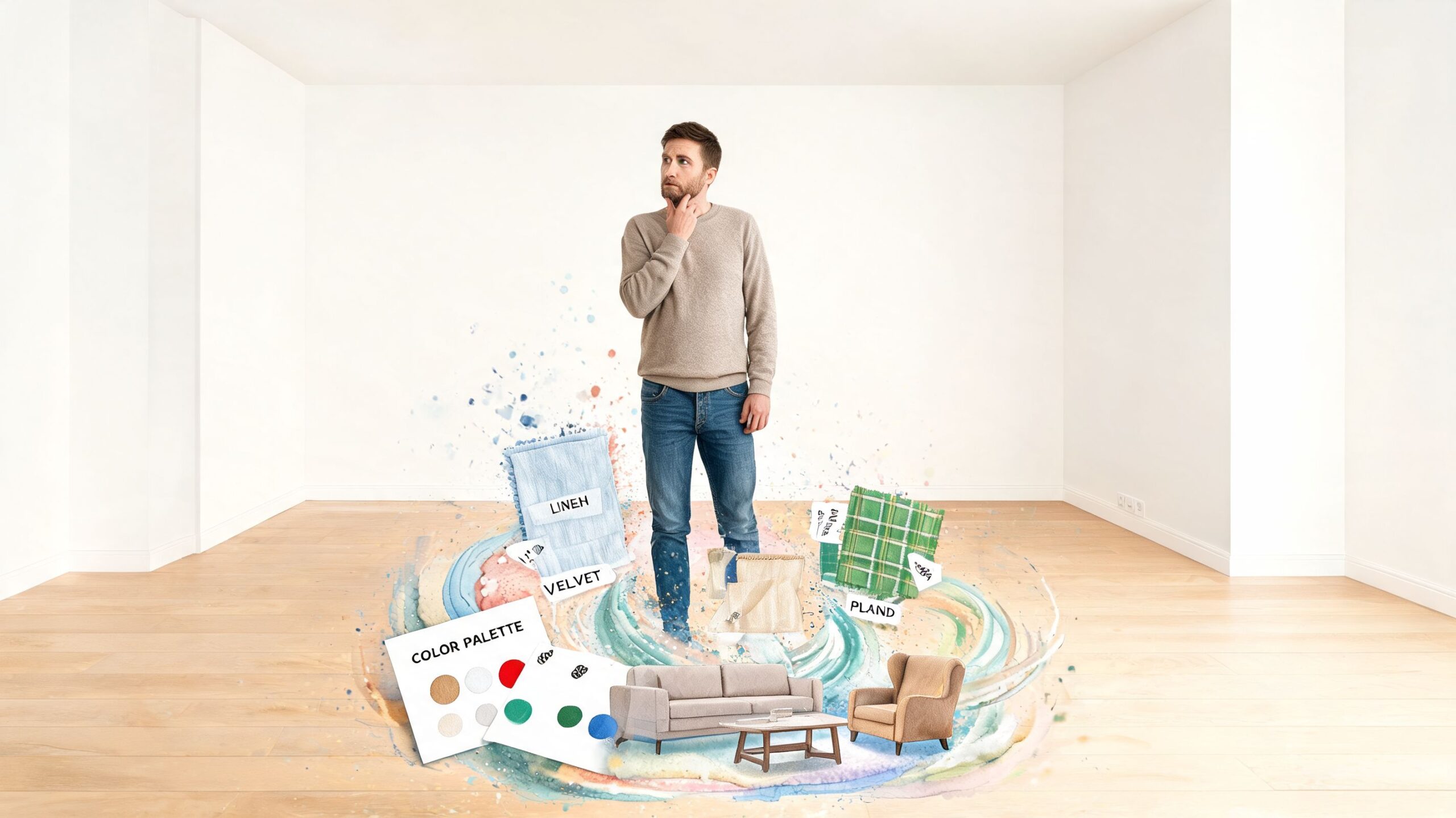
For many households, the challenge isn’t a lack of taste. It’s a lack of coordination. A living room can have beautiful individual pieces and still feel unresolved because the seating depth is off, the scale is uneven, or the finishes compete with each other. A consultation brings those moving parts into one conversation.
The appeal of professional guidance has expanded along with that complexity. The interior design services market was valued at USD 153.85 billion in 2026 and is projected to reach USD 204.23 billion by 2031, according to Mordor Intelligence’s interior design services market report. That projection points to something homeowners already feel firsthand. More people now see design as a long-term investment, not just a decorative extra.
What a consultation usually helps you solve
Some concerns are visual. Others are practical. The strongest consultations address both.
- Room planning: figuring out what size sectional, dining table, bed, or storage piece your room can handle
- Style alignment: turning scattered inspiration into a coherent direction
- Material choices: narrowing fabric, leather, wood, and finish options to what suits your lifestyle
- Purchase sequencing: deciding what to buy first so the room develops in the right order
Practical rule: A consultation is most useful when it answers both “Will this look right?” and “Will this hold up five years from now?”
Why this matters for long-term homes
A well-run consultation protects you from short-life decisions. That matters if you’re buying Custom Furniture, considering Amish Furniture, or selecting investment pieces you expect to live with for many years.
If you’re still trying to organize your ideas before meeting with a consultant, this guide on where to begin with home design is a sensible starting point. It helps separate what you like from what your space needs. For readers also tracking broader style direction, these expert insights for interior designers offer a useful look at materials and aesthetic themes worth watching.
Decoding the Different Types of Consultations
Not every project needs the same level of help. Some homeowners need a second opinion and a solid floor plan. Others need a complete package with drawings, sourcing, and installation oversight. Most interior design consultation services fall into three broad formats.
According to Decorilla’s overview of online interior design services, consultations are typically delivered through in-home, in-store, and video channels. That same source notes that some services use flat-rate pricing starting at $999 per room, while many established retailers offer free design consultations.
Comparing Interior Design Consultation Types
| Service Type | Best For | Typical Cost | Key Deliverable |
|---|---|---|---|
| In-store consultation | Homeowners choosing furniture, materials, and room layouts with hands-on review | Often complimentary through established retailers | Product guidance, layout ideas, finish and material selection |
| Virtual consultation | People who want convenience, quick feedback, or remote planning help | Flat-rate models may start at $999 per room | Digital recommendations, concept direction, room plan |
| Full-service design | Large renovations or whole-home projects needing ongoing coordination | Varies by scope and service depth | Comprehensive design plan and project oversight |
In-store consultation
This is often the most practical route when furniture is the core of the project. You can sit in the sofa, test the seat depth, compare leather grades, and place wood finishes side by side instead of guessing from a screen.
That tactile advantage matters more than people expect. A walnut finish may read warm in one light and cooler in another. A precisely shaped track-arm sofa may feel ideal to one person and too upright to another. You only learn that in person.
For homeowners sorting through style direction, this comparison of contemporary vs traditional design styles can help narrow the conversation before you step into a showroom.
Virtual consultation
Virtual design works well when speed and convenience matter most. It’s useful for layout review, inspiration editing, and narrowing choices before you shop. It can also help when a homeowner is comfortable sourcing online and mainly wants a professional eye.
The trade-off is straightforward. Screens flatten texture and can distort scale. Fabric tone, leather character, and construction details are harder to evaluate remotely. For accessory decisions, that may be fine. For a custom sofa or dining set, it can leave too much unresolved.
A virtual consultation can clarify a plan. It can’t replace sitting in a chair you expect to live with every day.
Full-service design
Full-service design fits larger remodels, major space planning, or homes where multiple rooms need to work together. This approach usually includes broader coordination, more documentation, and a longer timeline.
It’s the right choice when moving walls, rebuilding rooms, or managing many layers at once. It’s often more service than a furniture-focused project requires, but for complex renovations it brings structure that a simpler consultation can’t provide.
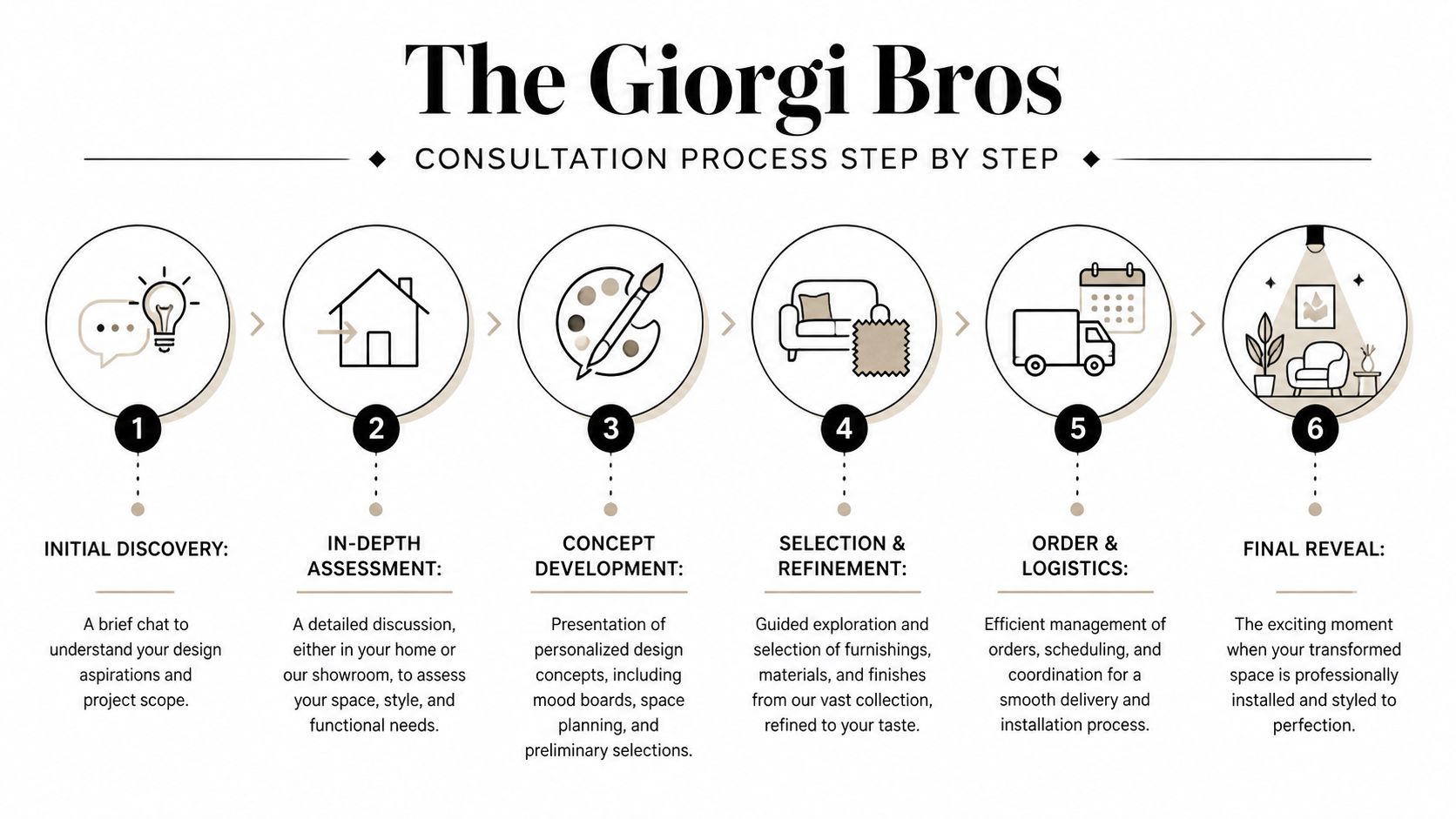
The Giorgi Bros Consultation Process Step by Step
A good consultation should feel organized, not mysterious. Clients usually come in with a mix of excitement and hesitation. They want help, but they don’t want to be cornered into quick decisions. The process should lower pressure, not raise it.
Professional consultations commonly begin with intake questions and one-on-one sessions, then lead to deliverables such as mood boards, 3D renderings, layout suggestions, and shopping lists, as described by Good Housekeeping’s review of online interior design services. The strongest consultations adapt that structure to the actual project instead of forcing every home into the same template.
Step one and step two
The first part is discovery. That means understanding what room you’re working on, how you use it, what isn’t working now, and what pieces need to stay or go. Sometimes the problem sounds aesthetic, but it is functional. The room may feel dull because the layout is awkward. Or it may feel crowded because the furniture scale is wrong.
Then comes a deeper assessment. That can happen in the home or in the showroom, depending on the project. Measurements, photos, circulation paths, family habits, and style references all matter here.
A consultant should ask plain questions, such as:
- Who uses the room daily: adults, children, guests, pets, or all of the above
- What has frustrated you most: lack of seating, poor storage, uncomfortable proportions, hard-to-clean materials
- What pieces are essential: an heirloom table, a favorite recliner, existing art, or Premium Mattresses in an adjacent bedroom project
Step three and step four
Once the fundamentals are clear, the design direction starts to take shape. At this stage, mood boards, layouts, finish options, and early furniture selections become useful. The point isn’t to impress you with volume. The point is to narrow choices intelligently.
For custom projects, that discussion gets more specific. A room may need a tighter sofa profile, a performance fabric, a warmer oak finish, or a reclining chair that doesn’t look oversized. If you’re considering made-to-order pieces, this guide on getting started with custom order furniture helps explain the decisions that matter before an order is placed.
What works: comparing a few well-chosen options in person.
What doesn’t: reviewing dozens of swatches and hoping clarity appears on its own.
Step five and step six
The final part is refinement and follow-through. Once selections are made, details need to be checked carefully. Dimensions, arm height, finish, leather grade, fabric direction, and delivery timing all need a last review.
That’s where experience shows. A clean-looking plan can still fail if the rug is undersized, the dining chairs crowd the walkway, or the sectional blocks natural movement through the room. Good consultants keep practical use in view all the way to delivery and installation.
The result should feel calm and intentional. Not overdone. Not overly precious. Just resolved.
How to Prepare for Your Design Consultation
The clients who get the most value from a consultation rarely arrive with perfect answers. They arrive with useful information. That’s enough.
Preparation helps because it gives the consultant something real to work with. A well-photographed room with accurate measurements leads to better advice than a vague description and a rough guess. You don’t need a designer’s vocabulary. You need a clear picture of your space and your priorities.
What to bring with you
Start with the room itself. Capture it realistically, not just from the flattering angle.
- Measurements: wall lengths, ceiling height, window placement, door swings, and anything architectural that affects furniture placement
- Photos: wide shots of the full room plus close-ups of tricky areas like fireplaces, corners, or traffic paths
- Inspiration images: saved rooms, detail photos, favorite shapes, and materials you keep returning to
- Existing piece dimensions: especially if you plan to keep a rug, table, artwork, or case piece
If you need help organizing your thoughts before the appointment, this article on starting the interior design process for a room lays out a practical way to begin.
What to think through before you go
The most important answers usually have nothing to do with color. They have to do with use.
Ask yourself:
How do we live in this room now
Do you read there, host there, eat there, work there, or all of the above?What keeps going wrong
Maybe the sectional is too deep, the dining chairs are uncomfortable, or the bedroom lacks enough storage.What do I want this room to feel like
Quiet, polished, relaxed, formal, casual, grounded, airy. Those words matter.Which purchases are investment pieces
A custom sofa, an Amish dining table, or a leather chair should be treated differently than an easy accent piece.
What helps the consultation go smoothly
A little honesty saves time. If you have pets, say so. If the room gets heavy afternoon sun, mention it. If you’re furnishing around children, frequent guests, or everyday wear, that changes fabric and finish recommendations.
Bring your real constraints into the room. Good consultants don’t need a fantasy version of your home. They need the one you actually live in.
One more point matters. Know your comfort range before the meeting. You don’t need to walk in with a rigid spreadsheet, but you should know whether you’re replacing one room, furnishing several rooms, or balancing purchases in phases.
Understanding Consultation Costs and True Value
Consultation cost matters less than what the meeting helps you avoid.
I’ve seen homeowners pay a design fee and still leave without enough information to buy well. I’ve also seen no-fee consultations produce excellent rooms because the advice was specific, honest, and tied to actual products, measurements, and use. Price tells you very little on its own.
What matters is whether the consultation answers practical questions. What will fit. What will wear well. What can be customized. What needs to be bought first, and what can wait.
Where cost becomes a problem
Cost becomes a problem when the process is vague. A homeowner leaves with attractive ideas but no grounded sense of pricing, lead times, or priorities. That usually stalls the project, and in some cases it leads to piecemeal buying that costs more in the long run.
That concern shows up across the industry. GC Interior Design’s home design consultation page points to price transparency as a common friction point. Clear pricing, clear scope, and consultants who are not paid to push one outcome tend to reduce the fear of being sold to.
That fear is reasonable.
If a consultation feels like a disguised sales pitch, people either shut down or agree too quickly. Neither leads to a home that feels settled.
What a consultation should save you from
The value of a consultation is in the mistakes you avoid.
In furniture, those mistakes are rarely small:
- Wrong scale: a sofa with too much depth for the room, or seating arranged so far apart that conversation feels awkward
- Wrong material: a beautiful fabric that cannot handle pets, sun, or daily traffic
- Wrong order of purchase: buying lamps, rugs, and accent tables before choosing the pieces that set the room’s footprint
- Wrong expectation: assuming an online photo tells you enough about comfort, cushion support, or construction quality
Any one of those can force a second purchase. That is where value gets lost. A lower upfront price means very little if the piece has to be replaced, reupholstered, or worked around for years.
Complimentary can still be worthwhile
A complimentary consultation can be a smart model when it is built into a serious showroom process. The client gets guidance while sitting in the furniture, comparing fabrics, reviewing finish options, and talking through room function with someone who understands construction and customization.
That is a different experience from being handed a quick opinion on the sales floor.
Giorgi Bros. Furniture offers this kind of in-store consultation in connection with furniture selection and custom order decisions. That approach tends to work well for homeowners who want help making confident purchase decisions without paying separately for a decorating package that covers far more than they need.
Other home categories use a similar model. A complimentary window treatment consultation can also offer useful planning value when the scope is clear and the recommendations are tied to real product choices.
For a broader look at how pricing, timing, and decision points fit together, this guide to the furniture buying journey from first research to final decision gives helpful context.
Good value comes from buying the right piece, in the right material, at the right time, with fewer corrections later.
Financing can help as well, especially when a room needs to be furnished in stages. Used carefully, it lets homeowners protect quality on the pieces that carry the most daily use instead of settling for something they already know they will want to replace.
Why a Giorgi Bros Consultation Is Different
The biggest difference isn’t style. It’s posture.
Many design services prioritize aesthetics while neglecting the practical details essential for purchasing long-lasting furniture. This issue is particularly evident in custom projects. Studio McGee’s virtual interior design page highlights a widespread market gap: many services provide insufficient guidance on choices such as wood species, leather grades, or artisan finishes. For homeowners who value craftsmanship and personalization, that specialized knowledge is vital.

Heritage changes how advice is given
A family business that has served South San Francisco since 1933 tends to look at rooms differently. The conversation is less about what photographs well this season and more about what will serve your home over time. That means asking better questions about construction, durability, flexibility, and comfort.
It also means understanding that not everything worth buying is sitting on the floor ready to go. Some of the best outcomes come from customizing the right frame in the right fabric, choosing the right leather for actual daily use, or selecting the right wood finish for the rest of the home.
Non-commission guidance changes the feel of the room
Homeowners can sense pressure quickly. It changes how they answer questions, how long they stay, and whether they trust the advice. A consultation built around education feels different because the consultant isn’t trying to force a fast yes.
That matters in Bay Area Interior Design conversations where clients are often balancing remodel decisions, long timelines, and major household investments. They need room to compare, test, ask, and think.
Customization is where expertise shows
The value of a seasoned furniture consultant becomes evident. It’s one thing to suggest a general style. It’s another to explain why one leather will patina beautifully, why one wood species fits a dining room’s character better, or why a custom depth adjustment can make a room function better without changing its personality.
That’s especially relevant for shoppers looking for Furniture South San Francisco options that go beyond stock inventory. Custom Furniture, Amish Furniture, and custom upholstery all require more than trend knowledge. They require product knowledge.
The fear of being sold to usually fades when the conversation becomes specific, practical, and honest.
If you want a room that feels collected, comfortable, and built for real life, a thoughtful consultation is the right place to start.
Visit the Giorgi Bros. Furniture showroom in South San Francisco to explore quality craftsmanship in person, compare materials side by side, and get no-pressure guidance from Design Experts who understand long-term value. If you’re planning a remodel, replacing key pieces, or furnishing a full room, book a Design Consultation and make your next decision with confidence.