A dining room can look almost finished, yet the chairs still feel wrong. Perhaps the fabric has faded, the seats no longer feel supportive, or the style that once suited the room now looks dated. Because dining chairs face repeated sitting, shifting, spills, and cleaning, their upholstery deserves more thought than a quick color decision.
Dining chair upholstery can shape comfort, visual character, and the useful life of a well-made chair. With the right material, construction, care routine, and professional guidance, homeowners can create an investment piece that serves the room for years instead of following a short-lived decorating trend.
Understanding the Investment in Dining Chair Upholstery
Upholstery changes more than the appearance of a dining chair. It affects how the chair feels during a long meal, how easily the surface can be maintained, and whether the frame remains useful when the original covering wears out. A thoughtfully selected fabric or leather can make a dining set feel more connected to the room while supporting the way the household lives.
Giorgi Bros. Furniture has served South San Francisco since 1933, giving local homeowners access to furniture guidance shaped by more than 90 years of family-owned experience. That history reflects a practical principle: quality furniture should be considered an investment piece, not a temporary purchase. The frame, joinery, seat structure, covering, and finish all contribute to the value of the finished chair.
Start with the chair, not the trend
Before choosing a color, inspect the chair itself. A sound frame with secure joints may justify new padding and fabric, while a chair with loose joinery or a damaged structure may require a broader restoration plan. This distinction helps prevent a cosmetic update from hiding a mechanical problem.
A useful evaluation begins with four questions:
- How often is the chair used? Daily family meals call for a different specification than occasional formal entertaining.
- What does the surface face? Children, pets, denim clothing, food spills, and frequent movement all place greater demands on the upholstery.
- How should the room feel? Texture, color, and finish can make a dining area feel relaxed, refined, traditional, or contemporary.
- Can the material be maintained? A beautiful textile becomes a poor choice if its care requirements don't fit the household.
A deeper guide to how to buy quality furniture can help homeowners evaluate construction and long-term value before selecting a covering.
Customization creates useful longevity
Custom order services allow homeowners to select fabrics, leathers, wood species, and finishes rather than accepting a fixed combination from the showroom floor. That flexibility matters because a dining chair must coordinate with the table, flooring, lighting, and surrounding furnishings while also meeting practical needs.
The best choice may be a subtle neutral with a durable construction, a richly textured textile that adds warmth, or leather that develops character over time. The goal isn't to predict every future design trend. It's to choose a material and silhouette that the household will continue to appreciate and use.
A non-commission environment also changes the conversation. Consultants can discuss trade-offs without steering a homeowner toward the option with the highest price or the quickest decision. That no-pressure guidance supports a buy-it-for-life mindset, where the investment is judged by comfort, serviceability, and lasting satisfaction.
Choosing the Right Upholstery Material for Durability
Material selection starts with lifestyle. A dining chair in a frequently used kitchen needs practical cleanability and resilience, while a chair in a formal room may give greater priority to texture or visual richness. No single upholstery category suits every home, and “performance” can describe different characteristics, including stain resistance, abrasion resistance, moisture response, or ease of cleaning.
Compare the feel and the upkeep
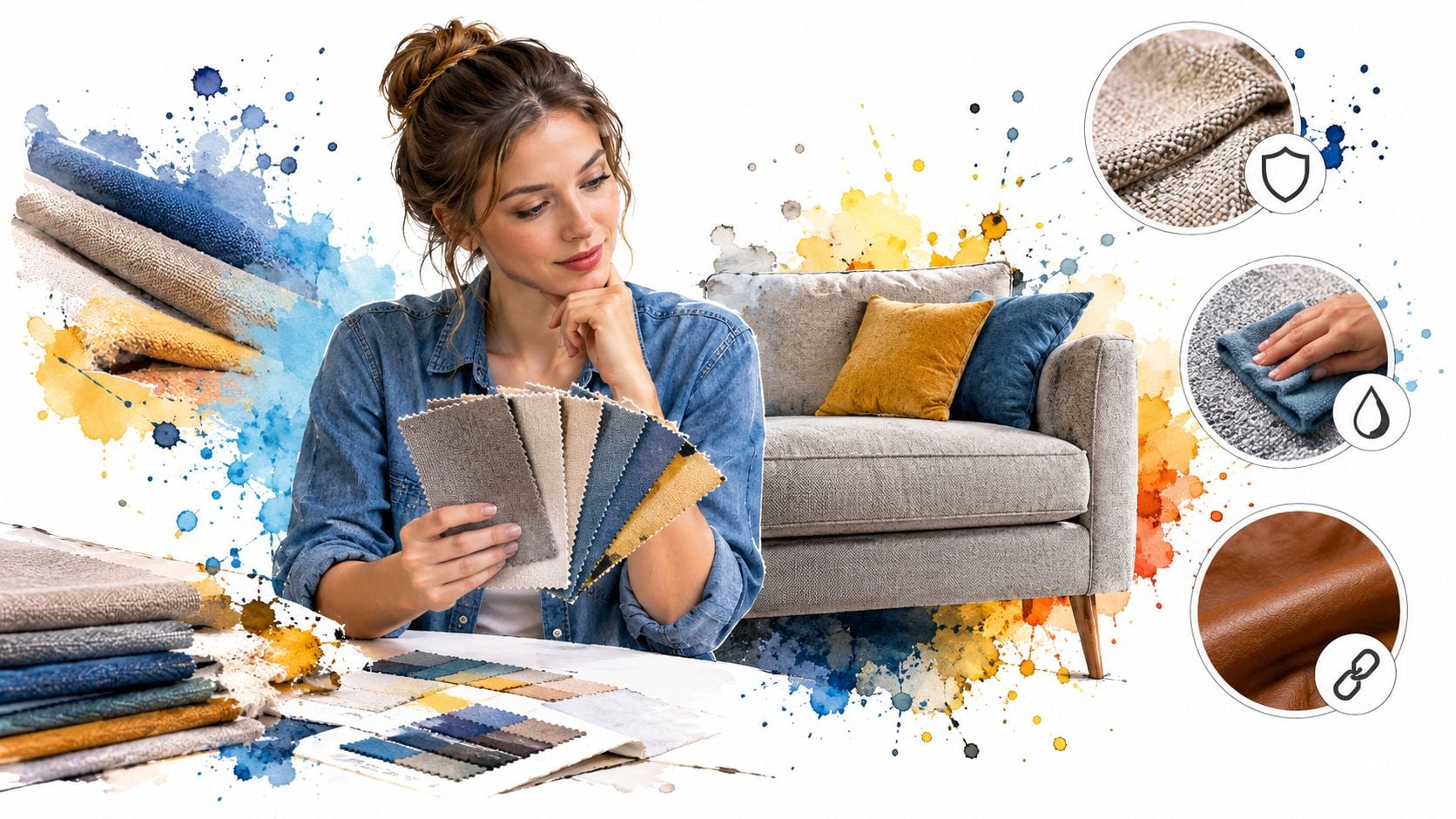
Leather offers a polished appearance and a surface that many households find straightforward to wipe after ordinary dining use. It can bring a clean, contemporary presence to a wood table, though the finish, color, and care instructions still need review before purchase. Leather also feels different from fabric, so sitting on a sample or finished chair matters.
Microfiber often appeals to households that want a soft hand with practical everyday handling. Its close surface can provide a comfortable feel, but the specific construction and cleaning code should guide the decision rather than the category name alone.
Performance textiles can help in dining rooms exposed to regular meals, children, pets, or entertaining. Their value depends on the actual specifications and finish. Homeowners should ask whether the performance refers to abrasion, stain treatment, cleanability, or a combination of factors.
Velvet, linen, cotton, and blended textiles offer distinctive texture and visual personality. They may be exactly right for a formal dining room or a carefully coordinated Bay Area Interior Design project, but the supplier's care instructions and test results should be reviewed before committing to them for heavy use.
The upholstery fabric types available for a project can be compared by touch, color, weave, cleaning requirements, and intended application.
Consider indoor materials as well as visible style
Upholstery includes more than the outer textile. Fibers, finishes, adhesives, foam, and backing materials can all form part of the chair assembly. A 2025 review identified upholstered furniture, carpets, and chemically finished indoor textiles as potential sources and reservoirs of VOCs, semi-volatile compounds, and respirable micro- and nanoparticles, while noting that 33 of 81 publications appeared in 2025 compared with six in 2021 (review of indoor textile emissions).
That information doesn't mean natural fibers are always preferable or synthetic materials are always harmful. It does support asking informed questions about low-emission materials, PFAS-free stain treatments, foam certification, and ventilation after reupholstery. A stain-resistant finish may be useful, but cleanability isn't the only consideration for every household.
Practical rule: Choose the material that balances cleanability, comfort, indoor material preferences, and expected service life. A fashionable surface that requires frequent replacement may offer less value than a quieter choice that remains useful for much longer.
Assessing Durability and Maintenance Needs
A fabric's appearance doesn't reveal its full durability. Dining chair upholstery experiences friction each time someone sits down, shifts position, or slides across the seat. Clothing, table activity, crumbs, moisture, and cleaning also affect the surface, so laboratory abrasion results should be treated as one part of a broader specification.
Read abrasion ratings correctly
The two common testing methods aren't interchangeable. ASTM D4157 Wyzenbeek testing pulls fabric taut and rubs it with cotton duck in the warp and filling directions. ASTM D4966 Martindale testing uses a rotating, fabric-covered abrader at 12 kPa (textile quality standards).
Common benchmarks place lower-traffic or private use at approximately 15,000 Wyzenbeek double rubs or 20,000 Martindale cycles, while heavier-use applications may call for approximately 30,000 double rubs or 40,000 Martindale cycles (textile quality standards). Those figures describe resistance to a specified laboratory action. They don't promise a precise service life and shouldn't be converted directly from one method to the other.
For a dining chair used every day, a higher rating may be sensible, particularly when the household includes pets, frequent guests, or clothing with hard details that create concentrated friction. The consultant should also review pilling, colorfastness, cleanability, seam construction, and the fabric's intended-use category.
Separate foam density from firmness
Cushion feel depends on more than fabric. Polyurethane foam density measures foam mass per unit volume in pounds per cubic foot, or pcf. Higher density generally improves resistance to breakdown, but density doesn't tell a homeowner how firm the seat will feel.
That second question relates to IFD, the indentation force required to compress foam to a defined percentage, commonly 25 percent. A very firm, low-density cushion may feel supportive at first but lose height and resilience sooner. Higher-density foam with an appropriate IFD can preserve seating geometry without making the chair uncomfortably hard (Furniture Industry's Guide to Flexible Foam).
Ask for density, IFD, cushion thickness, and intended-use information together. Also ask how the foam, webbing, seams, and frame work as a system. A strong abrasion rating can't compensate for weak stitching or deteriorating support beneath the cover.
Caring for Your Upholstered Dining Chairs
Good care begins before a stain appears. Dining chairs collect loose debris from ordinary meals, and dust or dirt can act as an abrasive against textile fibers. Regular, gentle maintenance reduces that avoidable wear and helps the upholstery retain its original appearance.
Establish a simple routine
Use a soft upholstery attachment to remove crumbs and surface debris. Pay attention to seams, piping, corners, and the area where the seat meets the frame. Avoid aggressive brushing, which can disturb fibers or change the texture.
For a fresh spill, blot instead of scrubbing. Rubbing can spread the liquid and work it deeper into the material. Test any cleaning product in an inconspicuous area, follow the fabric supplier's care code, and don't assume a product suitable for one textile is safe for another.
A practical sequence looks like this:
- Remove loose debris gently. Vacuum before applying any moisture.
- Blot the spill promptly. Use a clean absorbent cloth and work from the outside toward the center.
- Use the approved product. Favor pH-neutral upholstery products when the care instructions permit them, not harsh degreasers.
- Allow complete drying. Moisture left in the upholstery can affect the material and create additional problems.
- Call for specialized service when needed. Persistent staining, delicate textiles, and embedded soil deserve professional assessment.
For additional practical guidance, homeowners can review upholstery care from Canes Cleaners, then confirm the method against the fabric manufacturer's instructions.
Prevent avoidable damage
Keep upholstered chairs away from intense, prolonged sunlight when the room allows for it, since some materials and colors can fade. Don't place sharp objects on the seat, and lift chairs rather than dragging them across the floor. If a chair develops a tear, loose seam, sag, or persistent odor, early evaluation may prevent a small repair from becoming a larger restoration.
Professional upholstery cleaning services can complement routine care when the material requires equipment or expertise beyond household maintenance. Consistent attention protects the value of the original fabric and delays the need for replacement.
The Benefits of Reupholstering Over Replacing
Worn fabric doesn't automatically mean a dining chair has reached the end of its useful life. If the frame remains sound, reupholstering can address the visible surface while preserving the chair's existing structure. The work may involve a recover, new foam, repaired webbing, refreshed springs, or joinery repairs, depending on the inspection.
This distinction matters for sustainability. The U.S. Environmental Protection Agency reports that furniture and furnishings entering the municipal solid-waste stream reached 12.1 million tons in 2018, up from 2.2 million tons in 1960. Of the 2018 total, 80.1% was landfilled and 19.5% was combusted for energy recovery (EPA durable-goods data).
Inspect before choosing the scope
A professional assessment should separate cosmetic work from structural restoration. Homeowners can ask the following:
- Frame: Are the joints tight, and does the chair sit squarely?
- Support: Are the webbing or springs still providing consistent support?
- Foam: Has the seat lost height, resilience, or shape?
- Finish: Does the wood need repair or refinishing beyond the upholstery work?
- Use: Will the renewed chair face daily meals, pets, children, or occasional use?
Replacing only the fabric may leave failing foam or loose joinery unresolved. Conversely, rebuilding the seat while retaining a durable frame can preserve craftsmanship and extend useful life. The practical comparison should include the repair scope, material selection, labor, expected years of additional use, cleaning needs, and the environmental cost of discarding a complete chair.
A 2025 sustainability survey found that 45% of manufacturer respondents considered environmental sustainability a top business priority, while the industry rated its own sustainability performance “C” on average (sustainable upholstered furniture coverage). The figures don't prove that every reupholstery project is automatically sustainable. New fabric, foam, transport, and labor still carry impacts.
Preserve the valuable parts
A 2024 life-cycle assessment of 25 office and household furniture products found that pre-production accounted for an average of 76% of total life-cycle impact across the cases studied (furniture life-cycle assessment). The study doesn't establish that every repair has a lower impact than every replacement. It does support examining the material and manufacturing investment already contained in a structurally sound chair.
That is the heart of buy-it-for-life furniture. A durable frame paired with serviceable upholstery can remain useful through more than one design phase, especially when the surface can be renewed rather than the entire chair discarded. Homeowners considering reupholstery services can request an assessment that distinguishes a simple refresh from a complete restoration.
Choosing Custom Upholstery Options
A custom project often begins with a chair that works well but no longer fits the room. A homeowner may want a softer neutral, a richer color, a different texture, or a more resilient surface for daily use. Instead of choosing from a fixed combination, the process can match the covering to the chair's structure, the table's finish, and the household's routines.
At a full-service showroom, a Design Consultant can place fabric and leather samples beside the table finish and surrounding materials. The homeowner can sit in comparable chairs, handle the samples, and observe how color changes under showroom lighting. That physical evaluation helps reveal details that a digital image can't show, including surface warmth, stiffness, sheen, weave scale, and visual weight.
Build the selection around real use
A useful consultation doesn't begin with a favorite color alone. It starts with the room and the people using it.
- For daily family dining, prioritize a practical cleaning code, suitable abrasion performance, resilient foam, and a color that can live comfortably with regular activity.
- For formal entertaining, texture, pattern scale, and tailoring may take a larger role, provided the material still meets the room's maintenance expectations.
- For a whole-room project, coordinate the chair covering with wood species, finish, leather elsewhere in the home, floor coverings, and adjacent furnishings.
- For a heritage chair, assess the original construction before selecting a modern textile that could undermine its character or require unsuitable installation methods.
Customization can include fabric, high-grade leather, wood species, finish, welt details, and other personalized elements. It doesn't require an exaggerated look. A custom chair may be quiet and restrained, with the customization expressed through proportion, tactile quality, and a finish that connects the dining room to the rest of the home.
Ask for a complete specification
A clear order should identify the upholstery material, cleaning guidance, abrasion method and result, foam density, IFD where relevant, cushion thickness, seam details, and any structural work. Homeowners should also understand whether the project involves only a recover or includes new padding, webbing, springs, or frame repairs.
Non-Commission Sales Staff and ASID interior designers can provide no-pressure guidance while homeowners compare these choices. Flexible financing options are available for qualifying purchases, but the decision should remain centered on fit, construction, comfort, and long-term usefulness rather than on a monthly figure alone.
Making Informed Decisions for Your Dining Space
The strongest dining chair upholstery decisions connect five elements: construction, material, comfort, maintenance, and personal style. A chair may have an attractive textile but inadequate support. Another may have excellent foam but a cleaning routine the household won't follow. The right choice brings the complete system into balance.
Start with the chair's condition and expected use. Then compare materials by their actual care requirements, not by broad labels such as “performance” or “premium.” Review abrasion testing by method, ask for foam density and IFD separately, and consider seams, pilling, colorfastness, sunlight, moisture, and cleaning chemicals as separate performance questions.
Use customization to solve practical problems
Customization is most valuable when it answers a real need. A textile can coordinate an heirloom table with a remodeled room. A carefully selected leather can simplify everyday upkeep. A durable woven fabric can add warmth without forcing a family to treat the dining room as a display area.
The same principle applies to reupholstery. If the frame, joints, and support remain serviceable, renewing the chair may preserve more value than replacing a complete set. If the structure has significant problems, a full restoration or replacement may make more sense. A professional inspection helps clarify that choice without pressure.
For Bay Area homeowners searching for Furniture South San Francisco, Custom Furniture, Amish Furniture, or broader Bay Area Interior Design support, a local showroom can make comparison easier. Giorgi Bros. Furniture offers a 50,000-square-foot showroom, custom order services, reupholstery, full-service interior design, flooring, carpeting, and a dedicated sleep gallery with Premium Mattresses. Its white-glove delivery service uses flat, location-based rates across much of the Western United States, with a nationwide carrier network available beyond its direct delivery area.
A dining chair should support the way a home is used, not fill a visual gap. Thoughtful upholstery, consistent care, and a sound frame turn a short-term decorating decision into a lasting household investment.
Visit Giorgi Bros. Furniture in South San Francisco to compare upholstery fabrics and leathers, explore custom furniture options, and discuss reupholstery with non-commission Design Consultants. Book a Design Consultation to create dining chairs that combine personal style, everyday comfort, and buy-it-for-life durability.