
If a sofa needs to survive kids, pets, dinner spills, and the odd Bay Area rainy season, the fabric choice matters more than the frame many shoppers obsess over. That's the part shoppers often realize while standing in a big showroom, holding a swatch in one hand and a cleaning tag in the other, trying to guess which textile still looks right ten years from now.
The honest answer is simple. Upholstery fabric types aren't just about style, they decide how often a piece gets cleaned, how long it keeps its shape, and whether it becomes an Investment Piece or a replacement headache. A good Custom Furniture order starts with that reality, because the cheapest-looking option at checkout can turn into the most expensive seat in the house once wear shows up.
Why the Right Upholstery Fabric Type Changes Everything
Walk into a South San Francisco showroom with kids, a dog, and one too many coffee stains in your past, and the fabric choice stops feeling abstract fast. The frame can be solid. The upholstery is what takes the abuse, keeps its shape, and decides whether the piece still looks deliberate years later.
The fabric carries the wear
Bay Area households usually want the same result, a sofa that looks sharp, feels good, and does not turn tired at the first sign of real use. A buy-for-life approach starts there. Judge upholstery by total ownership cost, not by the number on the tag. The right fabric lowers cleaning demands, holds up to daily sitting, and keeps a piece from becoming a replacement headache.
Family-owned, non-commission showrooms are worth more than people give them credit for. You get plain guidance without a sales push, which helps when a custom order asks you to choose fabrics, leathers, wood species, and finishes all at once. Giorgi Bros. has served South San Francisco since 1933, and that kind of continuity usually means a grounded view of what wears well and what fails early.
Practical rule: if the household is active, choose the fabric that still looks composed after repeated use, not the one that only wins on day one.
The upholstery market has also grown into a serious category, not a side detail. The global furniture upholstery fabric market has grown from USD 5.2 billion in 2022 to an estimated USD 6.12 billion in 2025, with a projection of USD 9.01 billion by 2032 at a 5.67% CAGR (market data). That growth says a lot. Buyers have more performance choices now, and the fabric decision carries more weight than it used to.
For anyone weighing long-term value, Giorgi Bros. also lays out the thinking behind investing in long-lasting furniture. Upholstery fits that mindset exactly.
Touching the sample still matters
Spec sheets only go so far. A tight weave can feel firm, a soft pile can hide wear in one way and show it in another, and a heavy-looking textile can still be wrong for the way a household sits, spills, and relaxes. The smart move is to handle the swatch, sit on the piece, and compare it against real use before you commit.
That is the bottom line. Fabric choice shapes comfort, maintenance, lifespan, and resale appeal. Choose well, and the upholstery stays in the background for years. Choose poorly, and it becomes the first thing everyone notices.
Natural Fibers Worth Knowing
A linen sofa in a quiet formal room can look right for years. The same fabric on a sectional that takes daily spills, pet paws, and snack crumbs usually becomes work. Natural fibers are the place where long-term comfort and long-term upkeep collide, so the right choice depends on how hard the room lives.
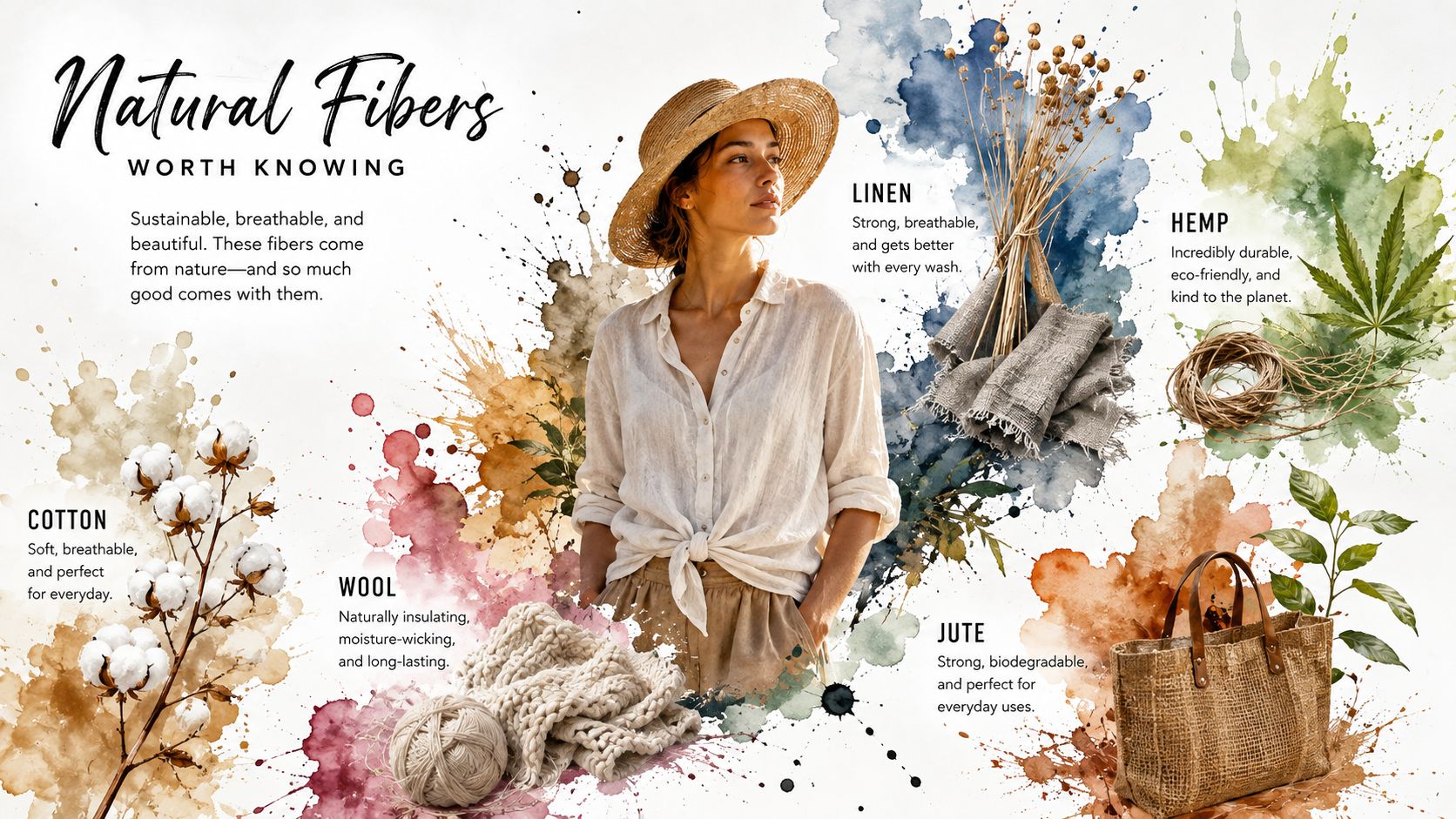
Cotton and linen feel easy, until they're asked to work hard
Cotton gives a soft hand and familiar comfort, but it soaks up spills and shows stains faster than many buyers expect. That makes it a better fit for lower-traffic rooms, slipcovers that can be cleaned, or households that are willing to stay on top of care. Linen brings a crisp, relaxed look that works beautifully in calm interiors, yet it wrinkles easily and does not spring back the way tougher fibers do.
That trade-off matters over a decade of use. Cotton and linen are smart choices when the room stays composed and the owner wants a softer, more natural look. In a formal sitting room, they can age gracefully. In a busy family room with pets and snack traffic, they usually ask for more patience than most households want to give.
Wool and hemp bring better resilience
Wool deserves more respect than it gets. It has more body than many people expect, it handles wear well, and it brings a grounded texture that suits rooms meant to feel warm rather than crisp. Hemp has a tougher, more workmanlike character and fits buyers who want a natural look without the fragility that some plant fibers bring.
Safety should also stay in the conversation. A published fire performance survey states that fabrics with 70% or more cotton or rayon are most susceptible to smoldering. That does not rule out natural fibers. It does mean the fiber content deserves real attention, especially in homes where a sofa or chair sees daily use.
Natural fibers work best as comfort-first materials, then get judged on whether the room can handle the upkeep they demand.
For homeowners who care about lower-impact choices, start with the room, then the fiber. Choose natural materials where use is lighter or where the look matters enough to justify the care. Giorgi Bros. explains the bigger picture in its guide to sustainable furniture materials, which is the right place to compare materials before narrowing the field.
Natural fibers can be excellent long-term buys. They just need honest placement. Wool in a lived-in den can hold its own. Linen in a house full of kids and dogs can turn into a regret.
Synthetic Fibers and What the Numbers Really Mean
A sofa that gets daily use does not care about showroom talk. It cares about abrasion, soil resistance, and whether the fabric keeps its shape after years of sitting, sliding, and pet traffic. Synthetic upholstery earns its place because it gives you measurable durability, and that matters more than the label on the swatch.
Reading abrasion numbers without a textile degree
Start with the abrasion rating. That number tells you how the fabric holds up when it gets rubbed, used, and worn in normal life. A residential piece should have a solid cycle count, and homes with heavier use should push higher. The technical guide and abrasion guide both make the same practical point, higher abrasion resistance gives you a better shot at keeping the piece useful instead of replacing it early.
That is the difference between buying for a season and buying for a decade.
| Fabric Type | Martindale Cycles | Typical Service Life | Best For |
|---|---|---|---|
| Olefin synthetic fabric | Over 75,000 | 12+ years | Heavy-use seating, active homes |
| Heavy-duty polyester blends | About 45,000 | 8–10 years | Family rooms, sectional use |
| Linen | About 15,000 | 3–5 years | Calmer rooms, lighter use |
| Woven cotton | About 12,000 | 2–4 years | Low-traffic spaces |
The point of a table like this is simple. It helps you stop guessing. A fabric with stronger wear numbers is the one that can stay in service while the frame and cushions still have life left.
Why polyester, microfiber, and blended constructions keep winning
Polyester keeps showing up in well-used homes because it is practical, not precious. It handles abrasion well, does not mind moisture the way some natural fibers do, and gives you a better shot at keeping a sofa looking presentable after years of family use. That is the kind of trait that matters in a Bay Area house where the couch has to handle kids, pets, and regular traffic without turning into a project.
Microfiber works for the same reason. It has a soft hand, it stands up to frequent use, and it does not demand the careful treatment that some upholstery fabrics do. Acrylic brings useful color retention, nylon adds toughness, and blends let manufacturers tune the feel and the wear in ways that suit different rooms. Those are the fabrics that earn their keep when a household wants everyday durability without giving up a clean look.
For homes with pets, the right blend matters even more. Giorgi Bros. covers practical pet-friendly furniture fabrics, and that is the right way to think about it. Fur, claws, and the occasional mess do not care about a fabric's marketing story. They care about how the cloth holds up after repeated use.
Olefin deserves special attention because it is built for hard use. It performs well in the kind of seating that gets leaned on, flopped on, and lived on every day. For a family room sectional, a playroom sofa, or a house where the dogs have claimed the furniture, that is the kind of material that makes financial sense over the long haul.
Bottom line: synthetics are not the bargain-bin choice anymore. They are the practical answer when a household needs a fabric that can take a beating and still belong in the room.
Leather, Performance Fabrics, and Engineered Options
A sofa in a sunny Bay Area living room can age two very different ways. Leather can pick up depth and patina, or it can dry out and look tired if the grade is weak and the care is careless. The decision starts with what the material is, not what the tag implies.
Leather ages by grade, not by wishful thinking
Full-grain leather keeps the most natural surface and usually develops the richest character over time. Top-grain leather is more refined and more uniform, which helps in homes that want a cleaner look with easier day-to-day living. Bonded leather uses leftover leather content in a manufactured construction, so it does not belong in the same longevity conversation as the first two. For a closer look at how these categories differ, see leather grades explained.
For a formal living room, a study, or an investment-piece custom build, leather can be the right call because it ages with the room instead of fighting it. For a family sectional that takes constant use, the grade has to match the job. If the leather is chosen for appearance alone, the owner usually pays for that mistake later in comfort, upkeep, or early replacement.
Engineered fabrics solve the spill problem without killing the look
Performance textiles solved a long-standing trade-off between stain resistance and visual appeal for busy homes. Crypton, Sunbrella Indoor, and high-end microfiber are built for easier upkeep while still looking right on custom upholstered seating. Technical guides also place some categories such as microfiber, vinyl, and PU faux leather in broad abrasion ranges from roughly 30,000 to 200,000 rubs, which shows how far engineered materials have come in active households (performance trend guide).
That matters because Bay Area buyers do not need to choose between a room that looks polished and a room that survives real life. A household with kids, pets, or frequent guests can keep the visual standard high and still avoid constant worry over every spill. For homes that deal with humidity as well as traffic, the right construction also helps, which is why practical guides like the best fabrics for Tampa Bay still point buyers toward materials that handle moisture and wear without turning fussy.
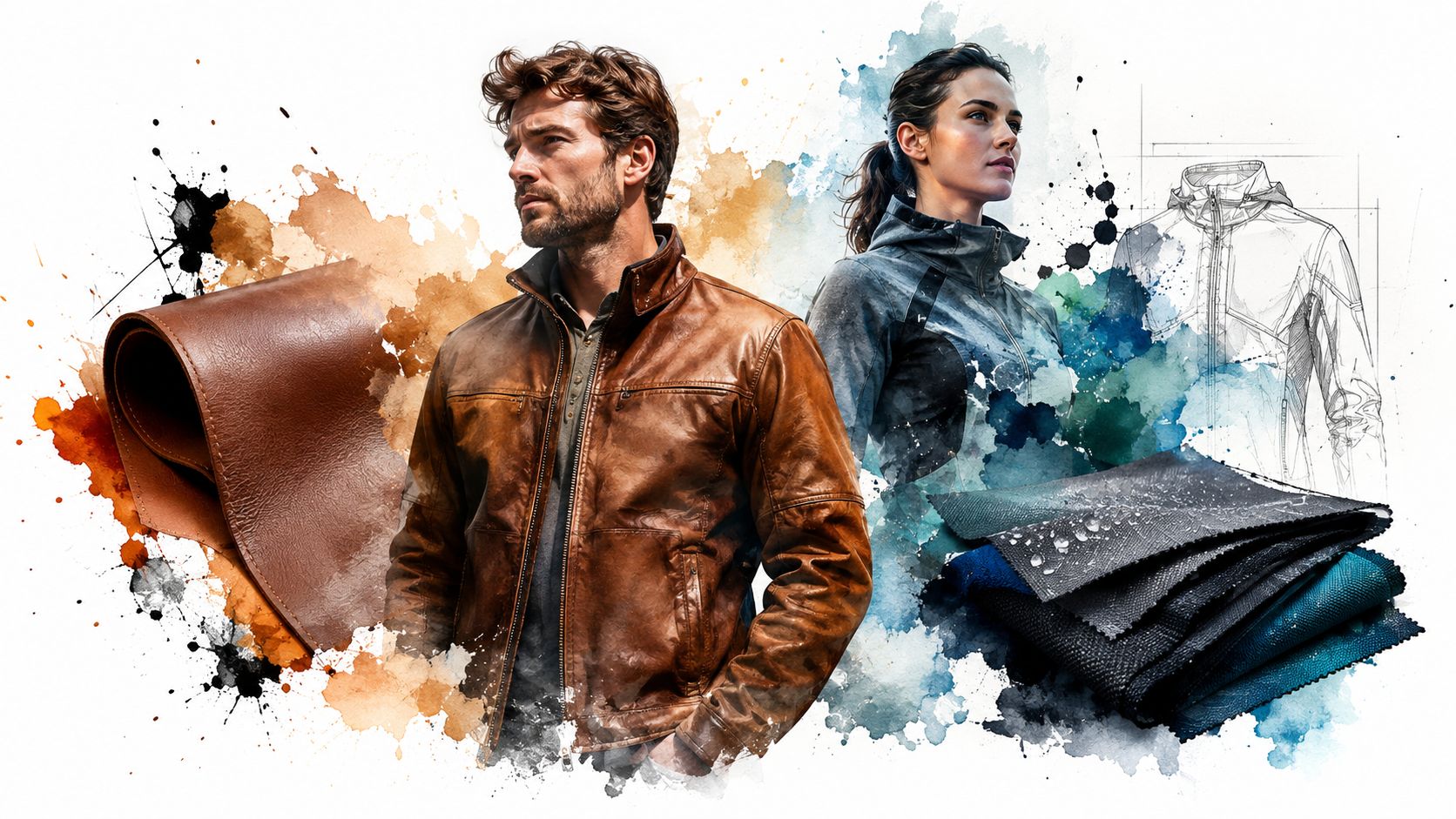
Giorgi Bros. keeps that conversation grounded through a practical guide to leather grades. That matters because custom builds only work when the material matches how the piece will live, not just how it looks on delivery day.
For a custom upholstered sofa, the decision usually comes down to use. Choose leather when you want a long-aging surface with character and you are willing to maintain it properly. Choose engineered performance fabric when the household needs stain resistance, easier cleanup, and a softer visual profile. Both can be smart. The wrong one is the one chosen for looks alone.
Matching Fabric Types to Rooms and Households
A fabric choice makes sense only after you match it to the room that will use it. A polished parlor can carry a delicate surface because the wear is light. A sectional in a busy family room cannot, and pretending otherwise only shortens the life of the piece. The question is how the fabric will hold up over the next decade, not how it looks the day it arrives.
Family rooms, dining chairs, and high-use seating
Family rooms with kids or pets call for polyester blends, microfiber, olefin, or performance fabrics. These materials handle abrasion better, wipe down more easily, and keep everyday furniture from turning into a maintenance project. Use them on sectionals, daily-use sofas, and ottomans. Dining chairs that face spills and constant wiping should follow the same logic, especially in homes where meals, guests, and repeated cleanup are part of normal life.
Formal living rooms deserve a different standard. Linen, wool, and higher-grade leather can all work well there because the use is lighter and the visual payoff matters more. In a quieter room, a more refined fiber earns its place because it is not being asked to survive the same level of abuse.
Bedrooms and home offices need different priorities
Bedrooms usually reward a softer hand and a calmer texture. Cotton, linen blends, and leather can all fit, but the right answer depends on how the room functions. A bedroom bench or accent chair does not need the same abrasion rating as the sofa where everyone ends up every night.
Home offices sit in the middle. A chair that gets used every day still needs real durability, especially if someone spends long hours there. A structured synthetic or blended fabric usually makes more sense than a purely decorative natural fiber in that setting, because the chair has to hold up to regular use without becoming fussy.
For homes that also have to deal with humidity, the guide to best fabrics for Tampa Bay is a useful reminder that climate belongs in the decision too. Sunlight, moisture, and daily use all pull on upholstery in different ways, and the wrong fabric shows it sooner than you think.
Practical shortcut: put the toughest fabric in the room that gets the most unscheduled use, then let the quieter spaces have more delicate choices.
That approach fits Bay Area homes especially well. A formal dining room can handle a prettier fiber. The main seating area usually cannot. A showroom should tell that truth plainly, because the right fabric is the one that fits the household for decades, not seasons.
The Sustainability and Durability Trade-Off Buyers Often Miss
A lot of shoppers still hear natural and assume sustainable. That shortcut falls apart fast in real homes. The most responsible upholstery choice is usually the one that stays in service the longest, because replacement has its own material cost, labor cost, and waste cost.
Longevity is part of sustainability
A fabric that wears out early creates more waste than a stronger material that keeps doing its job for years. On high-use seating, the household touches the fabric every day and the wear shows quickly. A durable synthetic or blend can be the more sustainable answer if it keeps a piece out of the replacement cycle.
The buy-it-for-life mindset fits upholstery well. Order once, choose carefully, and stop treating furniture like something that should be refreshed the moment the surface looks tired. Quality furniture is an investment, not a temporary staging prop.
Blends often hit the real-world sweet spot
Linen-polyester blends deserve more attention because they combine natural hand feel with the abrasion resistance and colorfastness buyers need. Technical sheets cite 40,000+ rubs for some blends and position them for both residential and light commercial use (blend guide). That makes them a serious middle path for people who want texture without fragility.
The wider industry is also shifting toward judging upholstery by construction, blend, and performance instead of a simplistic natural-versus-synthetic split (field guide). That is the right framework. A low-impact fiber that wears out fast can become a poor total-life choice. A longer-lasting engineered fabric can be the cleaner decision overall.
Sustainability in upholstery is not just about fiber origin. It is about how long the fabric stays useful before anyone has to replace it.
For Bay Area households, the answer usually starts with the room. If the piece will see daily family use, durability should lead the decision. If it is mostly visual and lightly used, a more natural option can make sense. A formal room can justify a prettier fabric, but the main seating area has to earn its keep for years. Giorgi Bros. makes that conversation concrete with custom upholstered sofa options, which is where long-term value becomes easy to judge in the actual home.
Custom Orders and How to Test Fabrics the Right Way
A fabric sample only earns its keep after it survives real use in the house. A custom order gives you that control, because the final piece can match the room, the household, and how the furniture will be used for years. Custom Furniture makes sense here because it turns a style choice into a long-term buying decision.
Swatches should go home before anything gets approved
Start with swatches, not final approval. Put them in the room, then check them in morning light, afternoon light, and evening light. A fabric that looks warm in a showroom can read cool beside a window, and a texture that feels clean under bright lights can look noisy once it lands in the home.
A Design Consultation should pressure-test the choice before the order is set. Fabric, leather, wood species, and finish details belong in the same conversation, because the right combination has to work as a whole, not as separate parts. Giorgi Bros. also supports custom upholstered seating, including a custom upholstered sofa, which makes the process real instead of hypothetical.
Non-commission guidance keeps the focus on fit
A non-commission sales environment keeps the conversation honest. No-pressure guidance gives households room to compare performance, maintenance, and long-term value without being pushed toward the quickest close. That matters for buyers weighing Amish Furniture, premium leather, or performance fabrics as part of a whole-home plan.
The best showroom visit feels like research, not pressure.
Giorgi Bros. also notes that financing options are available, which can help households move from planning to purchase without settling for the wrong material. That matters because a bad upholstery choice can cost more over the life of the piece than the upfront difference ever saved.
For South San Francisco and the wider Bay Area, the point is control. Custom ordering lets the buyer choose the textile that fits the room, the family, and the years ahead, instead of settling for whatever happened to be on the floor that day. For pieces that need temporary protection during a move or storage period, from Storage & Removal Boxes Ltd is a useful option to keep in mind.
Care, Maintenance, and Your Next Step into the Showroom
Upholstery lasts when it gets basic attention. Learn the cleaning code, vacuum with the right attachment, and handle spills quickly instead of letting them set. For seasonal storage and protection ideas, furniture covers from Storage & Removal Boxes Ltd can help preserve pieces that need temporary protection.
Giorgi Bros. Furniture offers custom upholstery guidance, a South San Francisco showroom, and non-commission Design Consultations that help families choose fabrics for the way they live. Visit Giorgi Bros. Furniture to compare upholstery fabric types in person, ask about custom order options, and talk through financing options are available with a Design Expert before you buy.