A room can stop feeling right long before anything is broken. The sofa still works, the dining table still holds family dinners, and the chairs are still sturdy, but the space may feel out of step with the way life happens now. That is usually the moment people start thinking about furniture design trends, not as decoration for its own sake, but as a smarter way to refresh a home without throwing away what already has value.
For families comparing options in Furniture South San Francisco, the best starting point is rarely a style board. It is usually a question of fit, comfort, and whether a piece will still make sense years from now. Since 1933, Bay Area households have leaned on the same kind of no-pressure guidance that helps turn trend ideas into real rooms, especially when the goal is to buy once, buy well, and live with confidence.
Beyond the Showroom Floor An Introduction
A living room often reaches a tipping point in ordinary ways. The sectional that once felt generous starts to crowd a walkway. A dining set that matched the old house now looks too formal for how the family gathers. A condo, a Victorian, or a mixed-use family room can all create that same quiet signal: the room still functions, but it no longer reflects the people in it.
That is where furniture design trends become useful. They are not a command to replace everything. They are a way to notice what people are asking for now, then choose pieces that solve real problems with better shape, better materials, and better proportions. In a market where people are thinking harder about comfort and longevity, the smartest homes do not chase every new look. They borrow the parts that improve daily life.
Practical rule: A trend only earns space in the home if it improves how the room feels, moves, or lasts.
That logic has guided Bay Area furniture decisions for generations. A family-owned showroom that has served South San Francisco since 1933 has seen styles swing from formal to minimalist to warm and collected, yet the same lesson keeps returning. Rooms feel best when the furniture fits the architecture, the routine, and the personality of the people living there.
For anyone trying to sort out comfort, posture, and layout before choosing a piece, this ergonomic furniture design guide is a practical place to start. The point is simple. Furniture is not just what fills a room, it is the structure that supports daily life.
The Three Pillars Shaping Modern Furniture
A room rarely changes all at once. More often, the shift starts with one chair that feels better to sit in, one table that holds up better to daily use, or one material that makes the space feel calmer and more grounded. Those choices point to the three forces shaping modern furniture, sustainability, longevity, and personal expression.
The scale of the market helps explain why these ideas carry so much weight. According to the industry summary, the global furniture market was valued at USD 677.26 billion in 2023 and is projected to grow at a 5.1% CAGR from 2024 to 2030. The same source says 68% of U.S. consumers prefer sustainable materials and 72% of global consumers are willing to pay a premium for eco-friendly furniture. Those figures show a clear change in buyer expectations. Furniture is now judged by more than its appearance, people want pieces that respect resources and hold up in real homes.
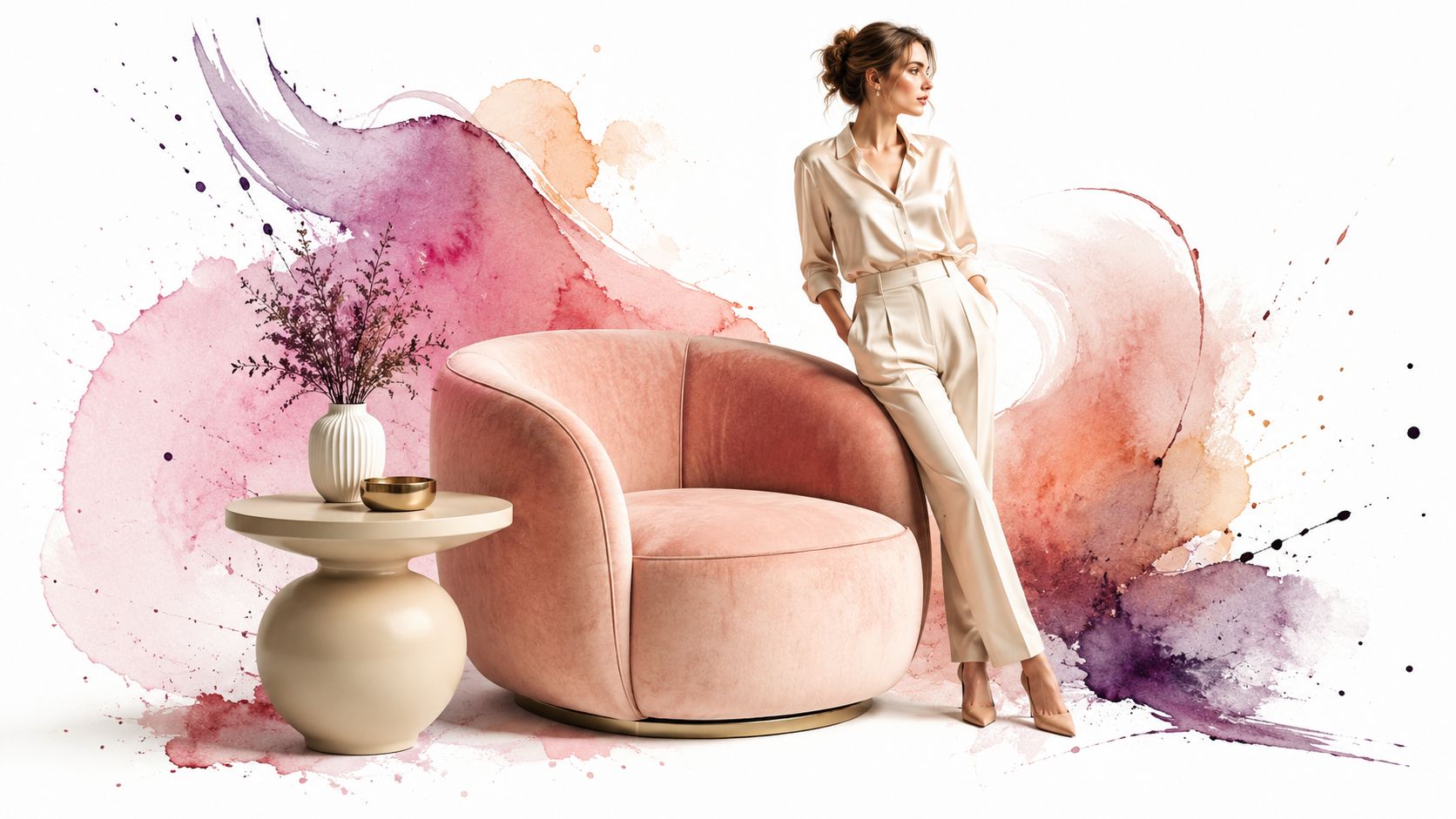
Sustainability, investment, and identity
These three pillars work together because each one answers a different question a homeowner eventually asks. Sustainability asks what the piece costs the environment. Longevity asks whether it will still feel useful after daily wear, rearranging, and changing routines. Personal expression asks whether it reflects the people living with it, or just fills the room with something generic.
A practical way to judge a purchase is to ask whether it can be repaired, reused, or adapted over time. Pieces that allow those options usually fit a buy-it-for-life mindset better than furniture chosen only for a passing look. That is similar to choosing a well-made coat instead of a disposable one, the shape matters, but the construction matters more once the weather changes.
Reclaimed wood, recycled content, and ethically sourced textiles keep appearing in design conversations for that reason. Buyers are connecting the material story to daily performance, not treating it as a separate concern. In real homes, that usually leads to better finish choices, more thoughtful custom ordering, and furniture that works with the room instead of forcing the room to work around it. For homeowners sorting out comfort, posture, and layout before buying, this ergonomic furniture design guide is a useful place to begin.
The strongest modern trend is not a single look. It is the move toward sustainable materials, customization, and multifunctional pieces that earn their place in both everyday spaces and more carefully designed rooms. For families weighing sofas, dining tables, and case goods, that is encouraging. It leaves room for style, while still rewarding thoughtful decisions that age well.
Key Furniture Styles on the Rise in 2026
A living room that once felt flat can change quickly when the furniture starts to carry more shape, depth, and warmth. Designers are moving away from rooms that look filled only for function, and toward spaces that feel gathered over time. That shift matters in Bay Area homes, where furniture often has to do more than look current. It has to fit real floor plans, support daily use, and still feel worthwhile years later.
Curved and irregular forms are leading that change. A 1stDibs survey found that 47% of designers selected boldly curvaceous or irregular shapes, and 86% said they will specify custom work in the coming year. The message is clear. When a room needs to feel softer and more personal, custom shapes give designers far more control than off-the-shelf pieces.
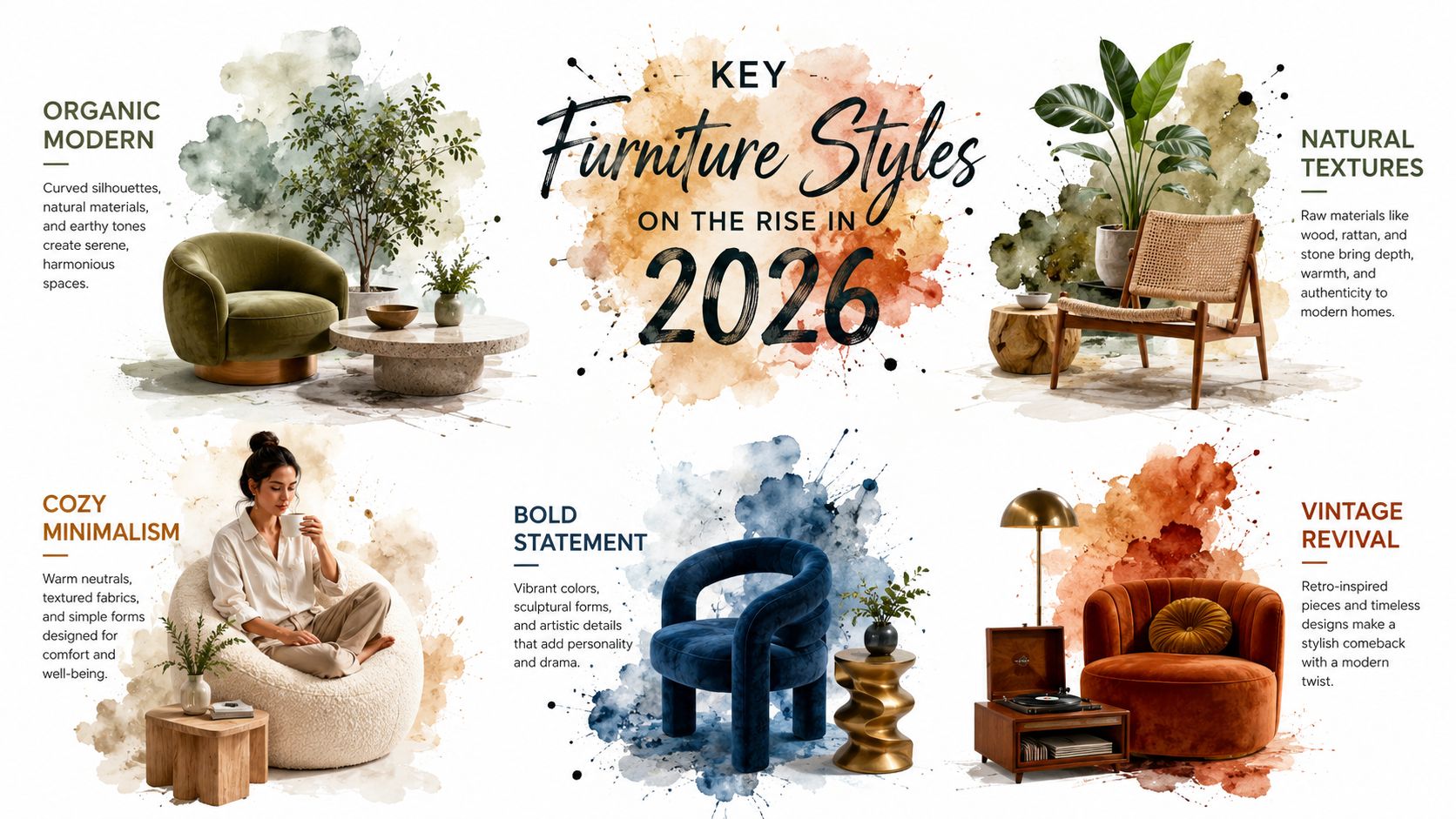
Curves, color, and collected rooms
A separate 1stDibs survey found that 39% identified maximalism and 38% cited eclecticism as top requested styles, while 33% named chocolate brown as the leading trending color. The same survey said that chocolate brown was nearly double its 2022 level of 17%. That does not mean every room should turn dark. It means richer color has become a practical tool for making a space feel grounded, especially in larger rooms that need visual weight.
The same survey also pointed to a stronger appetite for vintage and antique sourcing. It found that an average of 36% of items sourced for a project in 2025 were vintage or antique, and 85% of designers sourced vintage pieces made between the 1920s and 2000. That tells us buyers are using older pieces for more than nostalgia. Vintage adds scale, texture, and the kind of quiet variation that new furniture alone often cannot supply.
For readers thinking about how these styles fit together, a helpful starting point is this guide to contemporary furniture styles. The decision is about choosing the shape and tone that make a home feel calmer, more personal, and easier to live in, instead of chasing one look for its own sake.
The practical trade-offs are easy to miss until a piece is in the room.
- Curved seating can soften circulation and make tight areas feel less rigid.
- Chocolate brown and darker woods bring visual weight, which helps anchor open-plan rooms.
- Eclectic layering lets newer furniture sit beside inherited or vintage pieces without demanding a perfect match.
A room feels more complete when the pieces relate to each other by material, scale, and use, not because they came from the same catalog. That is especially important in homes where every choice has to earn its place. Custom furniture gives that kind of control, which is why so many designers are treating it as a long-term solution rather than a style detour.
Choosing Materials and Finishes That Endure
The strongest furniture design trends are not only visual. They are tactile. A table, cabinet, or chair tells a lot about its quality the moment someone touches the surface, checks the joinery, or sits down and notices whether the piece feels steady. That is why materials matter as much as silhouette.
Recent reporting confirms that clients are increasingly asking for dark walnut, ebonized ash, and burl wood, while favoring pieces that look collected over time Homes & Gardens. That preference lines up with the larger return of richer, more enduring finishes. It also explains why custom Amish furniture and other solid-wood pieces remain relevant. They are built to age with the home instead of looking disposable after a short trend cycle.
What to look for in lasting materials
A piece built from solid wood can usually be refinished more easily than one that only relies on thin surface treatments. High-quality leathers and durable upholstery fabrics also matter because they affect how the piece wears, cleans, and settles into daily use. For readers comparing options, the key question is not whether a finish looks beautiful in a photo. It is whether the finish still looks good after family life, sunlight, spills, and repeated use.
The material choice should also match the room's purpose.
- Dining pieces need surfaces that can handle frequent contact and still feel refined.
- Seating benefits from fabrics or leathers that balance comfort with resilience.
- Cabinetry and tables should feel grounded, with finishes that support long-term ownership.
For shoppers who want a more sustainable lens, this sustainable furniture materials guide is a practical reference. It helps explain why chain-of-custody documentation, finish chemistry, and durability all matter when the goal is to buy once and keep a piece for years.
Good material choice does two jobs at once, it looks right today and it stays useful tomorrow.
That is the difference between trend furniture and investment pieces. One asks for replacement. The other asks for care. In a family home, care is far easier to justify when the piece was chosen with the long view in mind.
Making Trends Work in Your Bay Area Home
Bay Area homes rarely offer perfect, square, oversized rooms. There are narrow Victorians, compact condos, angled walls, open-plan family spaces, and older layouts that need furniture to work harder than usual. That is why the smartest approach to furniture design trends starts with scale, not style.
Curved seating is a good example. Soft forms can make a room feel more welcoming, but a large sofa can overwhelm a narrow living room if the footprint is wrong. In smaller spaces, a curved chair or a rounded ottoman may give the effect of softness without consuming the room. In a wider room, a custom-sized sectional can define the seating area without blocking circulation.
Read the room before you choose the trend
Warm woods follow the same logic. Dark walnut or chocolate-toned finishes add depth, but they need breathing room. Light walls, reflective textiles, or a slim furniture profile can keep the room from feeling heavy. The trick is not to avoid rich color. It is to place it where it can anchor the space instead of closing it in.
Here are a few practical ways to make modern styles work in real homes.
- Use one focal piece first. A curved sofa, statement dining table, or sculptural chair can set the tone without forcing every item to match.
- Watch circulation paths. Leave enough space for people to move comfortably around the piece, especially in older floor plans.
- Balance texture with restraint. If a room uses darker woods, keep some finishes lighter so the space still feels open.
- Choose scale for the architecture. A piece that feels perfect in a large showroom may be too dominant in a small apartment.
For layout questions, this how to choose living room furniture guide gives a useful framework. The most useful trend adoption is the one that respects how the home functions.
A trend works best when it solves a layout problem instead of creating a new one.
That is especially true in mixed-use spaces, where one room may need to host conversation, TV time, work, and family meals. A well-chosen custom piece can do more for the room than an entire set of matching furniture ever could.
The Giorgi Bros Approach to Timeless Design
A good showroom visit should feel like a conversation, not a pitch. That is especially important when the decision involves custom furniture, because the buyer is not just choosing a look. The buyer is choosing a construction path, a finish, a fabric, and a long-term place in the home. Non-commission Design Consultants make that process calmer, because their job is to guide, not push.
The market is already moving in that direction. Reports note a growing appreciation for mixing different wood species and finishes, and for creating individualized, meaningful homes with handcrafted pieces, which validates the custom-order service model Veranda. That preference also fits the current mood around furniture design trends. People want pieces that feel personal, not packaged.

Custom order thinking for real homes
Custom order services matter because they let a trend become something more durable. A curved sofa can be made in a fabric that suits a household with pets or frequent guests. A dining table can shift in wood species or finish so it feels right with existing floors. A sideboard can move from standard to distinct through one thoughtful material change.
For shoppers thinking about how a room will age, this matters more than chasing a single finished look. The right customization can make a piece fit both the current design mood and the home's long-term character. That is why handcrafted pieces and flexible configurations continue to hold value in the Bay Area.
Readers who want ideas for how artwork can support a room's overall mood may find Jessie's Home modern canvas art useful as a reference point. Art, furniture, and finish choices should work together, not compete.
A 50,000-square-foot showroom gives people a chance to touch the grain, feel the upholstery, and compare finishes in person. That matters because furniture is one of the few purchases that affects comfort every day. It should never be chosen in a rush.
Investing in Your Home for a Lifetime
The best furniture design trends do not ask for blind loyalty. They offer clues about what people value now, softer shapes, richer materials, more personality, and a stronger respect for pieces that last. Used well, those clues help create rooms that feel current without becoming fragile or dated.
That is why the buy-it-for-life mindset still makes the most sense. Quality furniture saves money over time when it holds up, can be cared for, and still feels right after the trend cycle moves on. For anyone comparing Custom Furniture options, the right piece should solve a problem, suit the room, and carry its value in use, not just in appearance.
For households weighing delivery and setup details, hiring installers from Posch & Silva is a reminder that careful handling matters when a piece is meant to last. The same principle applies to furniture selection. The more thoughtfully a piece is chosen, the more gracefully it lives in the home.
The long view remains the smartest one. Quality, comfort, and personal fit always outlast novelty, especially in homes that need to work hard every day. For more on long-term value, this long-lasting furniture guide adds helpful context.
Giorgi Bros. Furniture offers no-pressure guidance, custom order services, and a full showroom experience in South San Francisco for anyone looking to invest in furniture that fits a Bay Area home for the long run. Visit Giorgi Bros. Furniture to explore styles, materials, and finishes with Design Experts who can help turn today's trends into pieces you'll be glad to live with for years.