A lot of homeowners reach the same moment before they buy a new sofa or chair. They love how the room could look, but they also know what real life looks like. A dog jumps up after a walk. A cat tests an arm with its claws. Hair settles into corners and seams. The question isn't whether pets belong in the room. It's whether the furniture can keep up.
That concern is common, and it's shaping how people shop. Based on What A Room customer data from its 2026 Best Pet-Friendly Sofa Guide, 34% of furniture buyers prioritize durability specifically for pets, making it the second most important factor after comfort. That tells a simple story. People aren't looking for disposable furniture. They want pieces that welcome the whole household.
For a family business that has served South San Francisco since 1933, that mindset makes sense. A well-made sofa with the right upholstery isn't a compromise piece. It's an investment piece. It lasts longer, stays comfortable longer, and keeps more furniture out of the landfill. That buy-it-for-life approach saves money over time and supports a more sustainable home.
Readers who are weighing style against practicality usually don't need a sales pitch. They need clear guidance. A good place to start is with this practical look at kid-friendly and pet-friendly furniture choices, then narrow the decision down to the fabric itself.
Table of Contents
- Loving Your Pets and Your Furniture Is Possible
- What Really Makes a Fabric Pet-Friendly
- A Guide to the Best Pet-Friendly Fabric Options
- Beyond Fabric Type Color and Pattern Strategies
- Caring for Your Investment Maintenance and Protection
- The Giorgi Bros Approach to Custom Pet-Friendly Furniture
- Your Lifetime Furniture Awaits in South San Francisco
Loving Your Pets and Your Furniture Is Possible
A pet friendly home doesn't have to look temporary. It doesn't have to feel like every decision was made out of fear of scratches, shedding, or muddy paws. The better approach is to choose furniture with a longer view.
That starts with accepting one basic truth. Homes with pets put upholstery through steady, everyday wear. A piece that looks fine in a staged setting may not age well once there's fur on the seat, nails on the deck, and repeated cleaning on the arms. The right fabric choice turns that from a problem into a design decision.
For Bay Area homeowners investing in Custom Furniture or refreshing a family room, the smartest move is to treat upholstery the way they'd treat the frame, cushion support, or wood finish. It's part of the structure of the piece, not an afterthought. That's especially true when the goal is a long-term purchase rather than a quick replacement cycle.
A pet friendly sofa should still feel like the sofa a homeowner wanted in the first place. Durable doesn't have to mean stiff, plain, or purely utilitarian.
In Furniture South San Francisco shopping, the strongest choices usually come from slowing down and matching the fabric to the pet's actual habits. A cat that claws presents one set of issues. A large dog that sheds and tracks in moisture presents another. Good guidance starts there, not with a buzzword on a tag.
Families have been buying furniture this way for generations. In a 90-plus-year business, the pattern is easy to recognize. The homeowners happiest with their purchase years later are usually the ones who chose for daily life, not just day-one appearance.
What Really Makes a Fabric Pet-Friendly

A sofa can survive pets and still age well, but only if the fabric is chosen by construction details instead of showroom language. In custom upholstery, that distinction matters. A fabric that looks attractive on a hanger can wear out quickly once a dog claims one cushion or a cat tests the corners every evening.
Three factors separate a fabric that lasts from one that frustrates. The first is weave. Tight, smooth weaves give claws less to catch and usually release hair more easily during routine cleaning. Loose weaves, boucles, and fabrics with pronounced loops often show snags early, even when the color still looks good.
The second is fiber content. Some materials handle abrasion, spot cleaning, and daily friction better than others, but there is always a trade-off. A fabric may resist wear well and still show every paw print. Another may feel soft and rich but hold onto fur. Homeowners weighing those differences can get a clearer foundation from this guide to upholstery materials.
The third is finish. Performance treatments can buy time when spills happen and make maintenance easier, especially in busy family rooms. They help most when they support a well-built fabric. They do not fix a weak weave or a delicate surface.
Practical rule: Judge pet-friendly fabric the same way you would judge the frame or seat support. By how it will hold up after years of use.
Abrasion rating also deserves a direct question. Rub count is one of the few measurable specs that helps compare fabrics on something more concrete than marketing copy. It should not be the only standard, because snag resistance, cleanability, and texture matter too, but it helps narrow the field when a piece is meant to stay in the home for decades.
What to ask before ordering
A good fabric conversation should stay specific:
- How tight is the weave? Fewer exposed loops usually means fewer snag points.
- What is the abrasion rating? Ask for the actual spec, not a general claim about durability.
- Is there a performance finish? This can improve spill resistance and cleanup time.
- How does the fabric look after repeated cleaning? Some fabrics survive cleaning but lose their character.
- Where will the wear show first? Seat decks, front rails, and arms usually tell the truth fastest.
For older pieces being reupholstered, the fabric is only part of the equation. Seam strength and construction details affect how well the finished piece holds together over time, which is why this upholstery thread and needle guide is a useful technical reference. In a long-term purchase, that full construction picture matters as much as the fabric sample in hand.
A Guide to the Best Pet-Friendly Fabric Options
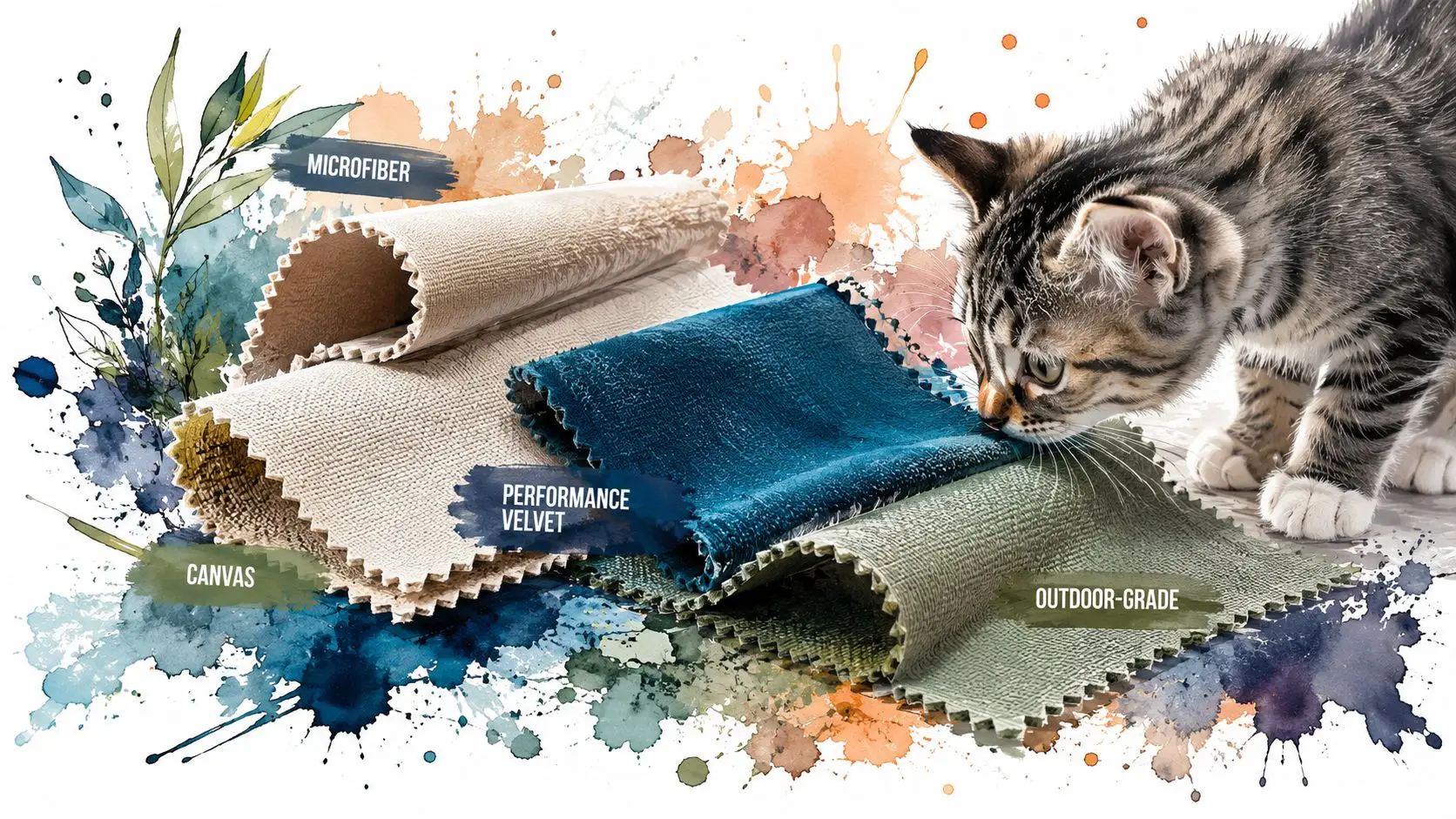
A customer comes in ready to order a sofa for the next 15 or 20 years, then mentions two dogs, one cat, and a seat cushion that gets used every night. That changes the fabric conversation fast. The best pet-friendly choice is the one that fits the way the piece will be used, cleaned, and lived on over time.
In custom furniture, fabric selection is rarely about finding a single "pet-proof" material. It is about choosing which strengths matter most for your household. Some fabrics release hair easily. Some resist moisture better. Some hide wear well but can snag. A good long-term result comes from matching those trade-offs to the pet behavior you deal with every week.
Microfiber and tightly woven synthetics
Microfiber has earned its place for a reason. A tight, smooth surface gives claws fewer places to catch, and pet hair usually stays near the surface instead of working down into the cloth. That makes regular vacuuming easier and helps the piece look orderly between cleanings.
It also tends to wear well in active family rooms, especially on sofas and sectionals that see daily use. For many dog owners, that balance of comfort, durability, and manageable cleanup is hard to beat.
The caution is mostly aesthetic. Some microfiber shows shading, pressure marks, or nap changes, and lower-grade versions can look flat after a few years. On a custom piece meant to stay in the home for decades, the better versions are worth the closer look.
Leather and faux leather surfaces
Leather can be a practical choice in the right home. Fur does not embed in it the way it does in woven upholstery, and routine cleanup is usually simple. For dog households, that can make day-to-day care much easier.
Cats are the variable. Claws can leave visible marks, and some owners are comfortable with that while others are not. Anyone considering leather in a cat household should review these practical tips on how to stop cats scratching leather furniture before committing to the material.
Faux leather can offer similar ease of cleanup at first, but long-term performance depends heavily on the grade and how the material is made. Some hold up respectably. Some crack, peel, or stiffen sooner than expected.
Performance fabrics and solution-dyed acrylics
This group deserves serious attention for custom upholstery. Modern performance fabrics and solution-dyed acrylics are often chosen for rooms where spills, damp fur, body oils, and repeated cleaning are part of normal life. The better ones do more than survive a single accident. They keep their hand, color, and overall character after years of use.
That matters in a lifetime purchase. A fabric that cleans easily but looks tired after repeated maintenance is not a strong value. A fabric that continues to feel inviting after years of family use usually is.
Industry trends show continued interest in performance textiles because many current options feel more residential and less stiff than earlier generations. For homes with pets, that wider range is useful. You no longer have to choose between practicality and a room that feels warm.
Textured weaves and fabrics to approach carefully
Some textured fabrics perform beautifully. Others are trouble from the first month. The difference usually comes down to how the texture is built.
A controlled, tight weave with visual variation can be a smart choice. It softens wear and often helps disguise daily evidence of pet life. Loose loops, open slubs, and highly raised textures are a different story. Those give claws something to catch and often show damage early, especially on arms, seat fronts, and cushion edges.
I usually advise customers to be suspicious of any fabric that wins on appearance but feels fragile in the hand. If it already seems delicate on the sample, it rarely becomes more forgiving in a busy household.
| Fabric category | Often works well for | Main caution |
|---|---|---|
| Microfiber | Hair control, easy cleanup, everyday lounging | Can show shading or pressure marks |
| Leather | Surface wipe-downs, lower hair cling | Cat scratches can leave marks |
| Performance fabric | Moisture resistance, repeated cleaning, daily wear | Quality and feel vary widely |
| Solution-dyed acrylic | Heavy-use rooms, moisture exposure, long-term color stability | Needs in-person feel testing |
| Loosely textured weave | Soft, casual appearance | Snags, pulls, and early wear |
For a custom piece, expert guidance is crucial. The right fabric is not merely the toughest one on the card. It is the one that suits the pet, the room, the maintenance habits in the home, and the expectation that this furniture should still earn its place many years from now.
Beyond Fabric Type Color and Pattern Strategies
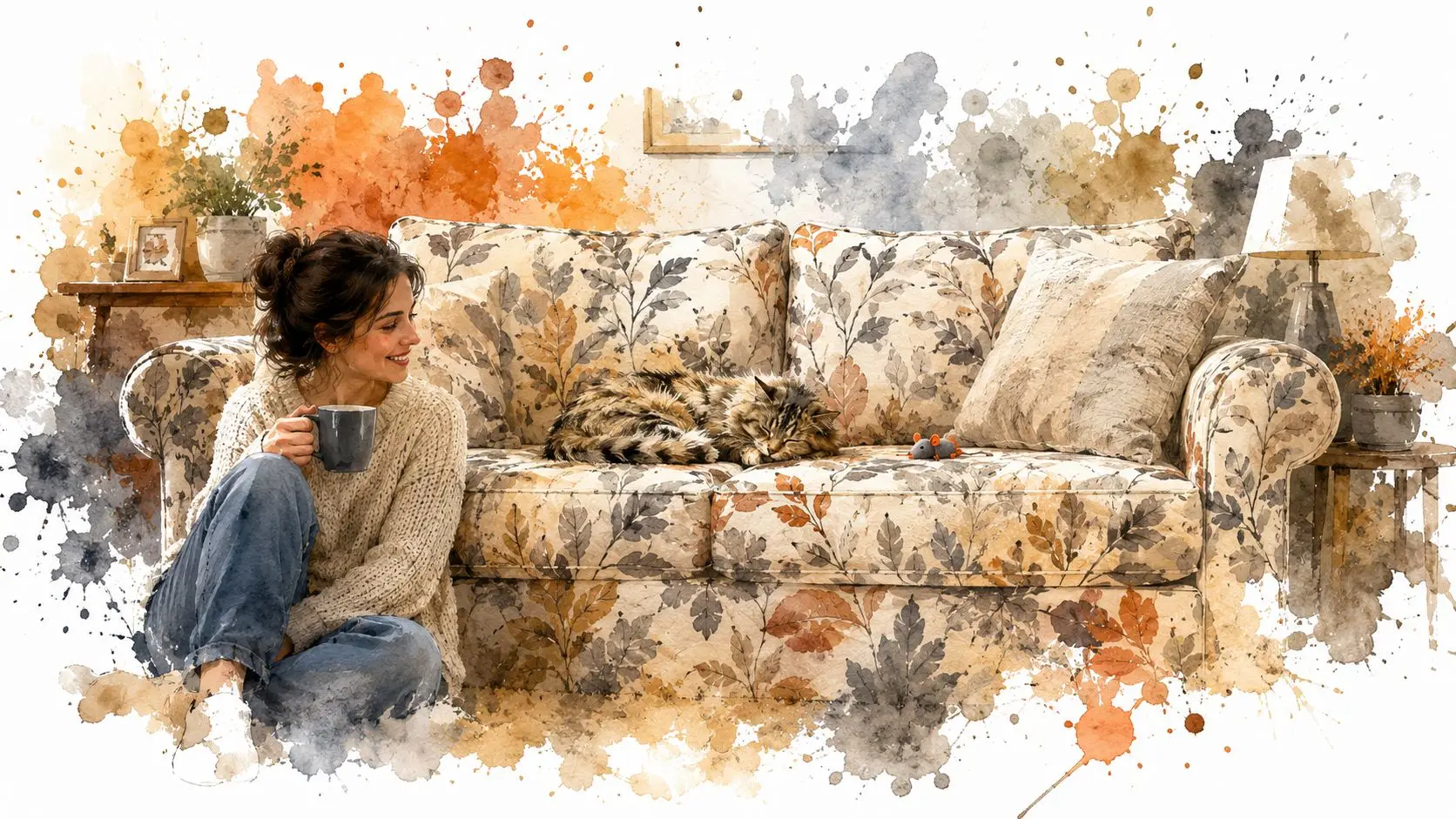
A durable fabric can still frustrate its owner if it shows every hair and smudge by noon. Day-to-day satisfaction often depends just as much on color and pattern as on fiber and finish.
Why visual texture lowers daily stress
Multi-tonal fabrics do quiet work. Heathered yarns, soft tweeds, and small-scale woven variation help disguise the ordinary evidence of a pet household. A little fur disappears into the mix. A faint smudge doesn't announce itself from across the room. The piece looks composed even between cleanings.
That isn't about hiding neglect. It's about choosing a fabric that stays visually calm in real life. In rooms that get heavy family use, that can matter as much as abrasion resistance.
A solid, flat, very dark fabric can show light hair constantly. A pale solid can spotlight dirt just as fast. Mid-tone, mixed-color upholstery usually gives a homeowner more grace.
Patterns that work harder than solid fabrics
Organic patterns can be especially effective. They soften visual interruption and make minor marks less obvious. Florals, abstract textures, and understated woven motifs often perform better than a perfectly even plain cloth in active homes.
A room feels cleaner when the upholstery isn't broadcasting every small trace of daily life.
That same thinking applies beyond sofas. Homeowners considering casual dining seating often find slipcovered styles useful because they combine softness with a more forgiving look. This look at slipcovered bench dining shows how texture, pattern, and washable design thinking can work together.
For buyers focused on Bay Area Interior Design, function and style meet cleanly. The best visual strategy doesn't make the room look defensive. It makes the room look intentional.
Caring for Your Investment Maintenance and Protection
A pet-friendly fabric earns its keep after the sale. The true test comes six months in, when a favorite seat has collected fur, a cushion has taken daily wear, and someone has to clean up a muddy paw print before it sets.
That is why I treat maintenance features as part of the buying decision, not an afterthought. If a custom sofa is meant to stay in the home for decades, it should be built so routine care is realistic.
Smart maintenance starts before the first spill
One detail I always recommend is a removable zipper on every loose cushion cover, including large seat cushions. That gives the owner a practical way to address one problem area without taking on the whole piece. A single soiled cover can be cleaned, serviced, or replaced more easily than a fully upholstered cushion that cannot be opened.
That matters over the long haul. Furniture lasts longer when care can be targeted.
For homeowners who already have upholstered seating, professional cleaning can also extend the life of the fabric and cushion materials. This guide to upholstery cleaning services helps clarify when home care is enough and when it makes sense to bring in a specialist.
Simple habits that protect upholstery
Daily upkeep is usually straightforward. The households that get the longest life from upholstered furniture tend to follow a few consistent habits:
- Vacuum creases and deck edges regularly: Pet hair, dander, and grit collect where the eye does not always catch them.
- Rotate reversible cushions when the design allows: Even use helps the seat keep a more uniform shape and appearance.
- Blot accidents immediately: Press with a clean cloth and lift moisture out. Scrubbing can spread the stain and drive it deeper.
- Keep nails trimmed: Fabric holds up better when sharp claw tips are managed.
- Use washable throws in favorite pet spots: A targeted layer protects the areas that take the most repeated contact.
Fur removal often needs a separate routine from stain care. For homes dealing with shedding every week, Pet Magasin's pet fur cleaning advice offers useful methods that work well alongside regular vacuuming.
The long-term goal is simple. Clean lightly, clean consistently, and choose a piece that was designed to be serviced. That is how custom upholstery keeps looking like a lifetime investment instead of a purchase you have to replace too soon.
The Giorgi Bros Approach to Custom Pet-Friendly Furniture
A family buys a sofa they love, only to realize six months later that the fabric shows every hair, every damp paw mark, and every scratch line near the seat cushion. That usually happens because the decision was made from a small swatch or a floor sample, without enough discussion about how the piece would live in the home.
Custom furniture gives that discussion room to happen.
At a legacy showroom, the job is not just to point at a durable fabric and call it done. The primary work is matching the frame, cushion construction, upholstery, wood finish, and scale of the piece to the way the household uses it. In homes with pets, that process matters because durability is only one part of the decision. Cleanability, texture, color, cushion shape, and how the fabric looks after years of use all matter too.
A non-commission setting improves that process. The conversation can stay focused on the household instead of the sale. Does the dog claim one corner every evening. Is shedding constant. Are muddy paws the bigger issue. Is the homeowner bothered more by visible fur, snags, or lingering odor after an accident. Those answers often rule out a fabric before style preferences even come into play.
That is how better custom pieces get built. They are specified with a clear understanding of daily wear, not chosen on appearance alone.
In person, the differences become easier to judge. Shoppers can run a hand across a tight weave and a looser texture, sit long enough to feel whether the cushion support fits the room's use, and compare fabric colors under real lighting instead of a phone screen. For a purchase meant to stay in the home for many years, that hands-on step prevents expensive mistakes.
Giorgi Bros. Furniture offers that kind of custom order process in a large South San Francisco showroom, with choices across fabrics, leathers, wood species, and finishes. The same careful selection process applies whether someone is furnishing a living room, dining room, bedroom, or shopping for Amish Furniture and Premium Mattresses. Context helps people choose better.
The long-term value is straightforward. A well-made custom piece with the right upholstery usually costs more than a quick replacement piece, but it often serves a home far longer and with fewer compromises. For pet owners, that can mean fewer repairs, less frustration, and a piece that still feels worth keeping after years of real use.
Some households also use financing options to buy the piece they want, with the fabric and construction that fit their home, instead of settling for a short-term substitute that will need replacing too soon.
Your Lifetime Furniture Awaits in South San Francisco
A pet friendly home doesn't require lower standards. It requires smarter ones. When homeowners focus on a durable weave, a performance-minded finish, and a forgiving color or pattern, they can build rooms that feel polished and lived in at the same time.
That approach fits the way many Bay Area families want to buy today. They want furniture that respects daily life, reflects personal style, and lasts. They want guidance without pressure. They want pieces that can stay in the home for years, not just until the next problem appears.
Since 1933, that kind of careful buying has always been the better path. It supports comfort, sustainability, and long-term value in equal measure. Good furniture should welcome the whole family, pets included.
Visit Giorgi Bros. Furniture in South San Francisco to explore custom upholstery in person, compare pet friendly furniture fabrics side by side, and work with Design Experts who offer no-pressure guidance. For homeowners planning a full room update or selecting one lasting investment piece, a Design Consultation is a practical next step.