
A lot of families start in the same place. The dining room looks fine on paper, but daily life tells a different story. One person is sliding a chair back into a tight walkway, another is trying to wipe spaghetti sauce off a fixed upholstered seat, and someone always ends up dragging in a chair from another room when friends stop by.
That’s where slipcovered bench dining starts to make sense. It feels relaxed without looking unfinished. It can soften a room that feels too formal, and it can make a small space work harder without feeling crowded. Most important, it fits the way people live. Homework at the table, weeknight dinners, holiday overflow, coffee with neighbors, all of it.
For Bay Area homeowners, that balance matters. Homes often need furniture to do more than one job, and the right dining setup should support family life for years, not just look good for a season. After decades of helping people furnish homes in South San Francisco, I’ve found that the best dining pieces are the ones that welcome use. They don’t ask you to tiptoe around them.
The Return of Communal Dining at Home
A family comes into a showroom looking frustrated more often than you’d think. They have a table they like, but the seating isn’t working. The chairs feel fussy. The room feels crowded. The kids lean back in the side chairs, and guests never seem to settle in comfortably.
A slipcovered bench often solves all three problems at once. It adds softness, seats people in a more relaxed way, and makes the room feel more inviting. Instead of creating a row of separate seats, it creates one shared place to gather.
Why the idea feels familiar
That sense of togetherness isn’t new. Benches were used for communal seating as early as 3000 BCE in Egyptian societies, and later, backless forms were standard in medieval great halls for shared meals, as noted in this short history of benches from Fine Woodworking. Long before dining chairs became symbols of status, the bench was the practical, social option.
That history matters because it explains why benches still feel so natural in a home. They encourage people to sit closer, stay longer, and treat the dining area as a lived-in part of the house instead of a room reserved for special occasions.
A good dining bench doesn’t just add seating. It changes the mood of the room from formal to welcoming.
How it works in a modern Bay Area home
Today’s version is better suited to family life. A slipcover softens the look, adds comfort, and gives you a practical answer to the messes that come with real meals. In homes where the dining area opens into the kitchen or living room, that softer profile also helps the room feel connected to the rest of the house.
I often tell homeowners to think about their dining area the way they think about a family room. It should support daily routines, not interrupt them. If you’re still sorting out the bigger layout, starting with a dining room plan helps you decide whether a bench belongs on one side of the table, both sides, or in a built-in style arrangement.
Here’s where readers usually get stuck. They assume a bench is only for farmhouse spaces or casual breakfast nooks. It isn’t. The right silhouette and fabric can lean traditional, structured, modern, or coastal. The bench itself is timeless. The details decide the personality.
Why a Slipcovered Bench Might Be Your Perfect Dining Solution
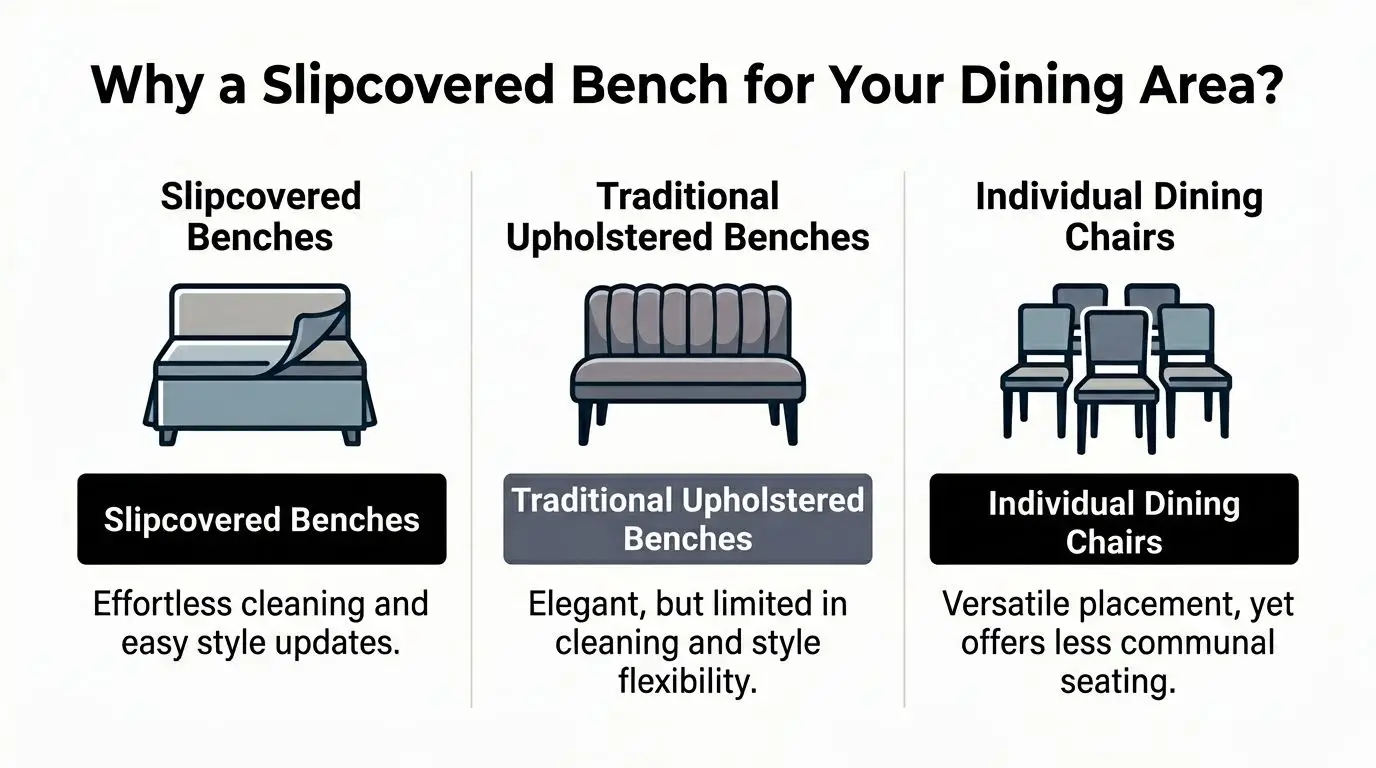
If you’re deciding between a slipcovered bench, a fully upholstered bench, and individual dining chairs, it helps to think less about trend and more about daily use. The right answer depends on how you eat, clean, host, and move through the room.
Retailers have seen a 35% year-over-year increase in slipcovered bench sales from 2022-2025, and 70% of buyers cite easy cleaning as a primary motivator, according to Homes & Gardens’ reporting on slipcovered banquette demand. That lines up with what many families already know from experience. Dining seating has to be forgiving.
Where a slipcovered bench stands out
A slipcovered bench is often the middle path between softness and practicality.
- Cleaning is simpler: A removable cover is easier to refresh than fixed upholstery.
- The look can change: You can update fabric without replacing the whole bench.
- Seating feels flexible: A bench usually handles the shifting reality of kids, guests, and casual meals better than a row of single chairs.
- The room looks lighter: Fewer visual breaks can make a compact dining area feel calmer.
Traditional upholstered benches still have a place. They often look crisp and polished, especially in formal rooms. But they don’t offer the same maintenance flexibility. Once the fabric is attached, you’re dealing with spot cleaning, professional cleaning, or full reupholstery later.
Individual chairs offer the most freedom in placement. They’re easy to move and can work well in multipurpose spaces. But they also create more visual clutter, more legs around the table, and less of that gathered, communal feeling many people want.
A simple way to choose
If you’re unsure which direction fits your home, use this lens.
| Seating Type | Maintenance | Style Flexibility | Comfort | Best Match |
|---|---|---|---|---|
| Slipcovered Bench | Easy to remove and clean | High | Soft and relaxed | Families, casual entertaining, smaller rooms |
| Traditional Upholstered Bench | More limited cleaning | Moderate | Soft and tailored | Formal dining spaces |
| Individual Dining Chairs | Easy to wipe or rotate | Moderate | Depends on chair design | Flexible layouts and mixed seating plans |
Think about the room in use, not empty
A dining area almost always looks larger when it’s empty. The trouble starts when people sit down, push seats back, and move around the table. That’s why a bench can be such a smart answer in Bay Area homes where every walkway matters.
Practical rule: If your dining area has to handle family dinners one night and extra guests the next, choose seating that adapts without asking you to reconfigure the whole room.
For homeowners who entertain often, a bench also keeps the setup from feeling stiff. You can still pair it with chairs at the table ends for balance and comfort. If your home pulls double duty for everyday meals and hosting, these design tips for effortless entertaining can help you think through the full room, not just the seating.
Choosing Your Style From Farmhouse to Modern
Style is where many shoppers either get excited or overwhelmed. They know they like the practicality of slipcovered bench dining, but they don’t know which shape will suit the room. The easiest way to decide is to look at the bench as a silhouette first, fabric second.
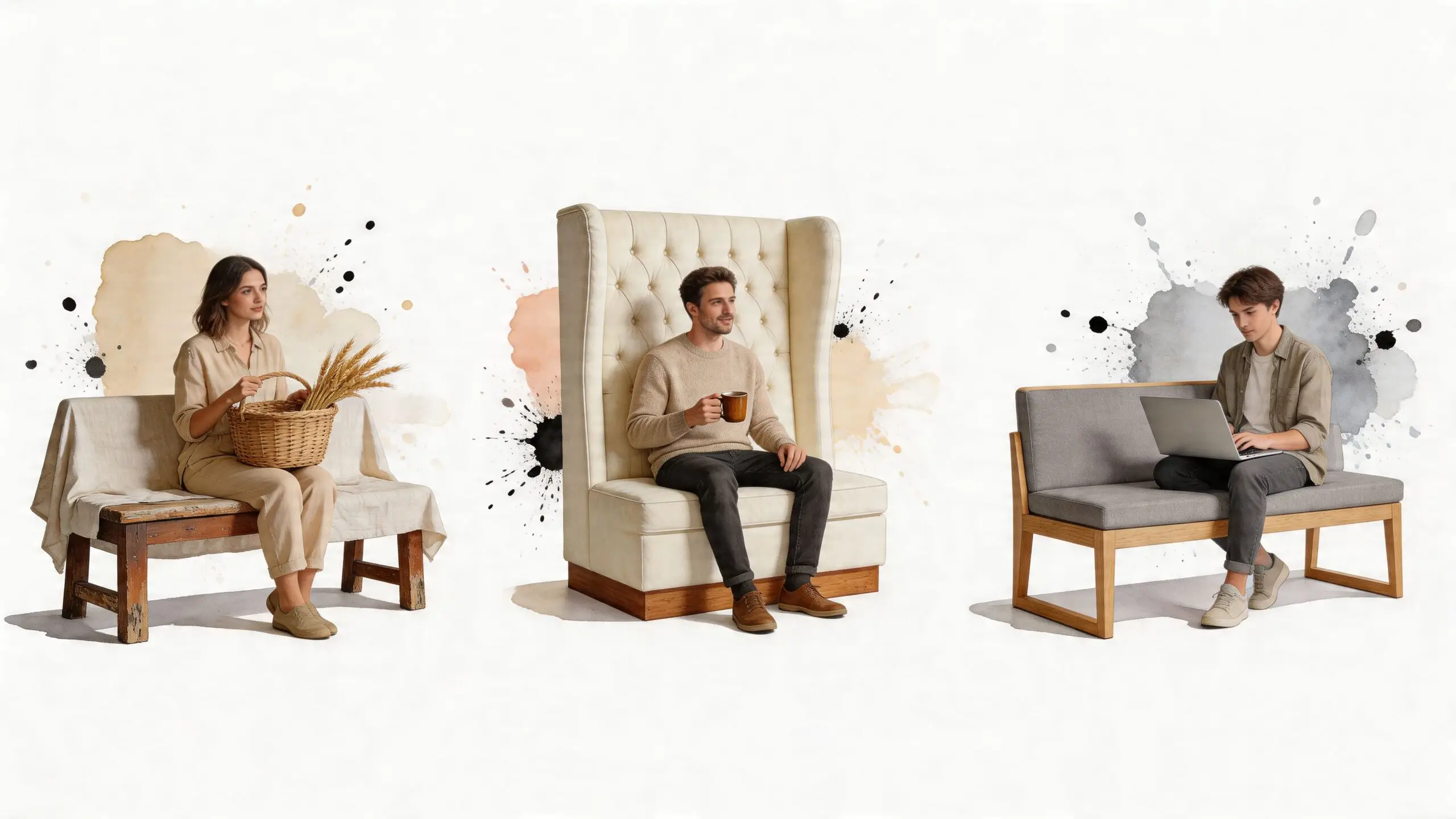
This gives you a better read on how the piece will shape the room. A high-back banquette changes the architecture. A backless bench keeps things open. An L-shaped corner bench creates a destination.
The high-back banquette
This is the cozy option. A high-back slipcovered bench feels anchored and protective, which is why it works so well in breakfast areas and open-concept homes where you want the dining spot to feel distinct.
In a farmhouse or casual traditional interior, a banquette in a textured neutral fabric adds warmth right away. In a more refined home, the same shape in a cleaner fabric can look crisp instead of rustic.
Choose this style if you want the dining area to feel settled and intimate.
The backless bench
Backless benches are versatile. They’re easy to slide under the table when not in use, which helps a room feel less crowded. That makes them a strong match for smaller footprints and for homeowners who don’t want the bench to dominate the view.
This silhouette works especially well in modern and transitional spaces. Clean lines, simple slipcovers, and restrained detailing keep the look fresh. If you like the softness of upholstery but don’t want visual bulk, this is often the best answer.
A backless bench also pairs well with host chairs because it lets the table feel balanced rather than heavy.
The corner or L-shaped bench
This option creates a built-in feel, even when it isn’t built in. It turns an underused corner into a dining zone and gives the room a strong sense of purpose. Families often love this setup because it encourages longer meals and easy conversation.
It’s a natural fit for relaxed coastal interiors, kitchen-adjacent dining spaces, and homes where you want the seating to feel integrated instead of temporary.
Here’s a quick style guide many readers find useful:
- Farmhouse: Look for a softer slipcover shape, warmer wood tones nearby, and fabrics with a casual hand.
- Modern: Keep the bench profile simple. Choose cleaner lines and a more fitted cover.
- Coastal: Favor light fabrics, airy forms, and an unfussy silhouette.
- Traditional: Add structure through a higher back, refined skirt detail, or a more formal table pairing.
Let the whole room guide the bench
The bench shouldn’t fight the architecture around it. If your home already has strong lines, exposed views, or minimal detailing, a bulky bench can feel out of place. If the room feels sparse or a little cold, a fuller slipcovered piece can soften it beautifully.
Some of the best dining rooms don’t match piece for piece. They balance. A softer bench can make a wood table feel more inviting, and a simpler bench can calm a room with a lot of visual detail.
If you’re sorting through looks that range from rustic to contemporary, these dining room styles for different homes can help you place the bench inside a larger design language.
Anatomy of a Lifetime Bench Sizing Fabrics and Fills
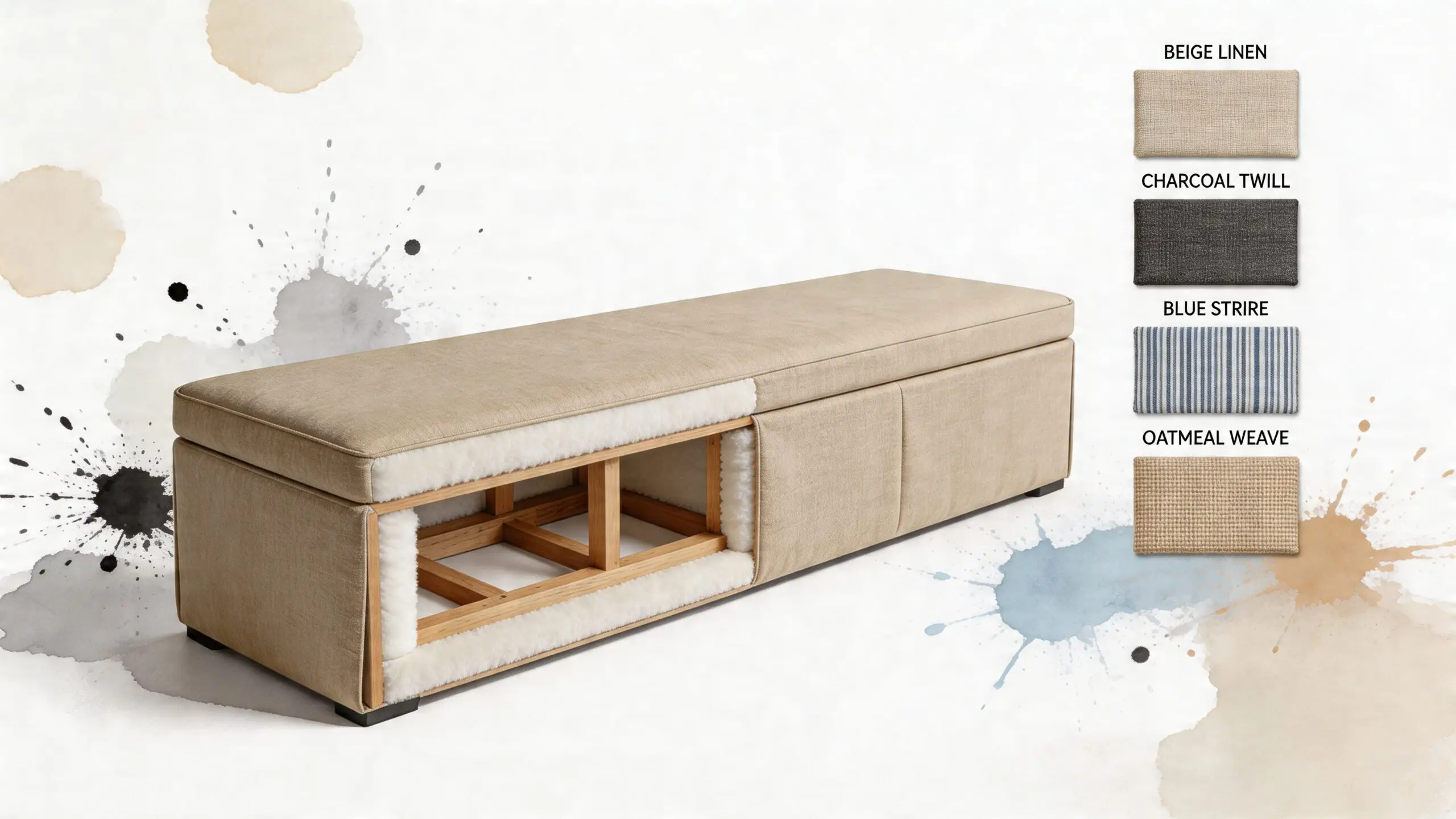
Most dining bench mistakes happen before anyone talks about color. The piece is too long, too deep, too soft, or made with construction that won’t hold up. If you want a bench that lasts, start with fit and build quality.
That’s where the conversation gets practical. A bench can look beautiful online and still be wrong for your table, your room, or your household.
Start with sizing that supports daily use
When readers get confused here, it’s usually because they focus only on table length. That matters, but it isn’t the only measurement that affects comfort.
Look at three things:
Length
The bench should feel proportionate to the table. You want enough room for people to sit comfortably, but not so much length that the bench crowds table legs or walkways.Depth
Depth affects posture more than generally anticipated. Too shallow and the bench feels perch-like. Too deep and diners have to scoot awkwardly forward to eat.Seat height
The bench has to work with the table apron and dining height, not just the tabletop itself.
For homeowners who want a more detailed measuring guide, this resource on bench depth and seat planning is useful because it helps you think through comfort and clearance together.
Measurement tip: Measure the room with chairs pulled out, not pushed in. That gives you a better picture of how the space functions during an actual meal.
Construction tells you whether it will last
A quality slipcovered bench often uses engineered hardwood frames with mortise-and-tenon joinery and sinuous spring systems. According to construction details cited on Serena & Lily’s Ross Dining Bench page, this kind of build can reduce shear stress by up to 40% compared to nailed assemblies, while sinuous springs offer 20-30% greater resilience than webbing, helping prevent seat sag and supporting a lifespan of 15+ years.
That’s the difference between a bench that looks good on delivery day and one that still feels supportive after years of dinners, guests, and daily use. Good construction is quiet. You notice it later, when the seat still feels stable and the frame hasn’t loosened.
Fabric matters more than color
While it's natural to shop fabric by eye first, it helps to ask a few performance questions right away. Will it resist spills? Will it feel comfortable in all seasons? Can the cover handle repeated cleaning without losing shape?
If fabric terminology feels abstract, a short guide to understanding fabric basics can help translate weave, fiber, and durability language into something more useful when you’re comparing swatches.
Here’s a practical comparison:
| Fabric Type | Durability (Rub Count) | Stain Resistance | Feel & Comfort | Best For |
|---|---|---|---|---|
| Performance polyester blend | 50,000+ | High | Smooth, durable, family-friendly | Busy dining rooms, kids, pets |
| Linen | Qualitative only | Moderate | Breathable, relaxed, natural | Lower-traffic rooms, airy interiors |
| Cotton blend | Qualitative only | Moderate | Soft, familiar hand | Homes wanting comfort with a casual look |
| Leather or high-grade leather accent pairing | Qualitative only | Moderate to high, depending on finish | Smooth, tailored | Mixed-material dining designs |
The only precise durability benchmark we can cite here comes from the verified construction guidance around performance fabrics that reach 50,000+ double rub counts in dining use, which is why many consultants steer busy households toward those fabrics first.
Fill changes the experience of the seat
This part often gets overlooked. Two benches can look nearly identical and feel completely different because of the cushion fill and suspension beneath it.
Consider these tradeoffs:
- Firm supportive foam: Better for upright dining posture and long-term shape retention.
- Softer cushion feel: More lounge-like, but sometimes less supportive at the table.
- Spring-supported seat: Helps distribute use and reduces that flattened look over time.
Many homeowners want “comfortable,” but what they really mean is two separate things. They want a seat that feels soft when they first sit down, and they want support that still feels good midway through a long meal. The best dining benches usually balance both.
A lifetime piece isn’t just made from stronger materials. It’s specified more carefully. The right depth, the right fill, and the right fabric do as much for longevity as the frame.
Caring For Your Investment Cleaning and Maintenance
A slipcovered bench only earns its keep if it stays presentable without turning into a project. That’s why maintenance deserves more attention than it usually gets. Many product pages focus on the charm of the skirt or the color of the fabric, but skip what happens after months of family meals.
That omission matters. Retail examples and review-based durability discussion tied to slipcovered bench shopping point to a real concern: some user reviews report problems after 6 months, and textile reports show that some linen slipcovers can lose 5-10% of their shape after 50 wash cycles. That doesn’t mean slipcovers are a bad idea. It means fabric quality and care instructions matter.
The right way to think about maintenance
A removable cover is not a shortcut. It’s a long-term advantage. Fixed upholstery asks you to preserve the original surface indefinitely. A slipcover gives you a working layer you can clean, refresh, or replace while protecting the underlying bench.
That’s why many families end up happier with a slipcovered piece over time, even if they started out assuming fixed upholstery was the more polished option.
Habits that help a cover last longer
You don’t need a complicated routine. You do need consistency.
- Remove carefully: Don’t yank at one corner. Ease the cover off evenly so seams and fitted areas don’t take all the strain.
- Follow the fabric’s cleaning guidance: Some covers can handle laundering better than others. The wrong wash setting can do more damage than the original spill.
- Air dry when shrinkage is a concern: Heat is often what changes fit.
- Spot-treat early: Tomato sauce, coffee, and oil are all easier to address before they set.
- Rotate if you own a spare cover: This is one of the easiest ways to extend the life of the look.
Why replaceable covers support buy-for-life furniture
The frame and cushion can be the long-term investment. The slipcover can be the part that evolves. That’s a much smarter ownership model than replacing an entire bench because the surface no longer looks fresh.
For families with children, pets, or frequent dinner guests, this is one of the strongest arguments for slipcovered bench dining. You’re not choosing high maintenance. You’re choosing a seating format that acknowledges wear and gives you a practical response to it.
If you like the bench but worry about spills, you’re asking the right question. The answer isn’t to avoid upholstery. It’s to choose upholstery that expects real life.
The Giorgi Bros Advantage Custom Benches for Your Home
Off-the-floor furniture can work well when the room is straightforward. Many dining areas aren’t straightforward. The table may be an unusual size, the walkway may be tight on one side, or the homeowner may want a bench that ties into a larger Bay Area Interior Design plan instead of looking like a one-off purchase.
That’s where custom work becomes useful, not because it sounds exclusive, but because it solves specific problems cleanly.
Why custom has become more relevant
There’s growing interest in furniture that fits both the room and the homeowner’s values. In the Bay Area, searches for custom furniture have risen 40%, and customizing with U.S. Amish hardwoods can reduce a piece’s carbon footprint by 30% compared to imported alternatives, according to the verified custom furniture trend reference.
That matters for people trying to furnish thoughtfully. A bench isn’t just a seat. It’s wood sourcing, construction quality, repair potential, and how well the piece can stay in service over time.
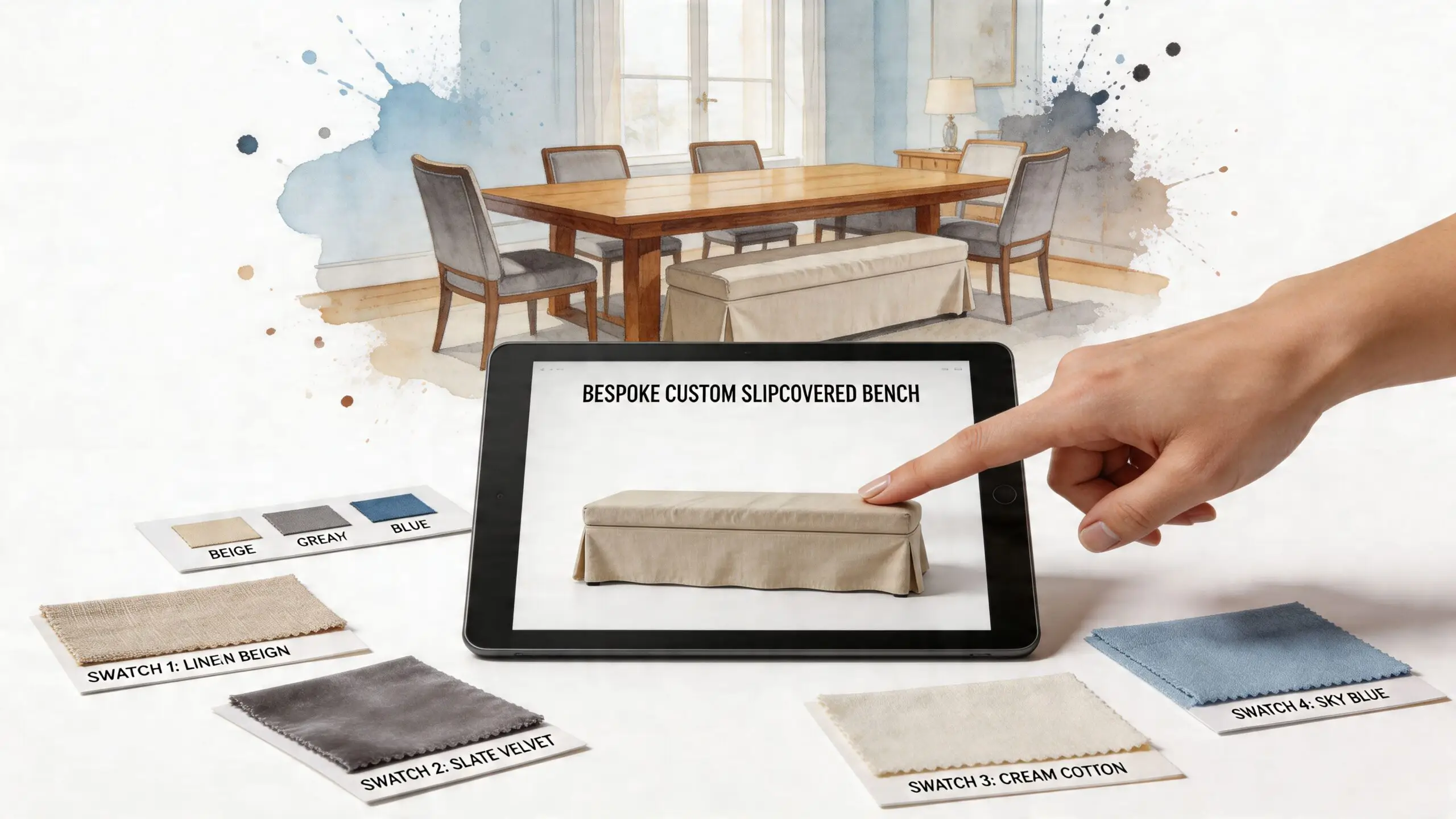
What customization actually changes
The word “custom” can sound vague, so it helps to break it down into decisions you can see and feel.
- Wood species and finish: This affects the underlying frame and how the piece relates to your table and surrounding furniture.
- Fabric or leather choice: This determines both the look and the maintenance story.
- Bench dimensions: Length, depth, and height can be adjusted to suit the actual room.
- Tailoring details: Skirt style, cushion feel, and overall silhouette shape how formal or casual the final piece feels.
For homeowners looking at Custom Furniture through a sustainability lens, a buy-it-for-life mindset becomes practical. A stronger frame paired with a replaceable cover gives you longevity without locking you into one look forever.
The value of a no-pressure process
This is also where the shopping experience matters. A custom bench usually involves more questions than an in-stock piece, and those questions deserve thoughtful answers. Since 1933, families in Furniture South San Francisco shopping mode have often wanted exactly that. Time to compare, sit, touch fabrics, and make a confident choice without being rushed.
At Giorgi Bros. Furniture, the custom order process includes help with fabric, leathers, wood finishes, and coordination across the room, and the guidance comes from Non-Commission Sales Staff consultants rather than a pressure-driven setup. For readers who want a clearer picture of how custom ordering works from first idea to finished piece, this custom order guide walks through the process.
Designer’s note: The best custom pieces don’t feel “custom” in a flashy way. They feel right in the room, as if they were always meant to be there.
How this fits a whole-home plan
A dining bench doesn’t live in isolation. It sits near flooring, lighting, wall color, and often a nearby living area. That’s why custom work can be especially helpful for whole-home renovators. The goal isn’t just to choose a nice bench. It’s to choose one that relates to the home’s broader material palette.
A family may want Amish Furniture construction for durability, a washable performance fabric for daily meals, and nearby host chairs in a premium leather line from makers like Hancock & Moore or a comfort-forward approach that aligns with other seating in the home. Those combinations are hard to find when shopping only from fixed floor samples.
And practical support matters too. If the dining project is part of a larger furnishing plan, it helps to know that financing options are available, especially when you’re prioritizing lasting pieces across multiple rooms. Some households come in focused on dining and end up coordinating adjacent spaces or even exploring Premium Mattresses while they’re already in planning mode for the rest of the home.
Your Invitation to Experience Timeless Quality
A well-made slipcovered bench earns its place because it solves more than one problem. It softens a dining room, supports communal seating, adapts to family life, and gives you a practical path for maintenance over the years. When the frame is sound and the fabric is chosen well, it stops being a temporary style decision and becomes one of those pieces the household uses, again and again.
That’s the difference between buying furniture and choosing an investment piece. One fills the room for now. The other keeps serving the room as life changes.
Buy better, not more often
For many homeowners, the smartest approach is the least flashy one. Choose quality construction. Choose a fabric that matches your household. Choose a silhouette that fits the architecture of the home instead of forcing a trend into it.
If you’re planning a broader remodel, it can also help to study how custom details in other parts of the home affect comfort and cohesion. For example, this article on custom window treatments offers a useful reminder that customized design choices often improve both function and finish when they’re made to suit the room.
Why seeing it in person still matters
Swatches online can help. They can’t replace sitting on the bench, touching the fabric, and understanding scale with your own eyes. That’s especially true with slipcovered bench dining, where comfort, tailoring, and proportion all matter.
After more than 90 years in South San Francisco, that part of the process still matters most. People want calm guidance, honest answers, and the chance to make a decision that feels informed rather than rushed. That’s how lifetime pieces usually begin.
If you’re ready to explore slipcovered bench dining in person, visit Giorgi Bros. Furniture in South San Francisco or book a Design Consultation. You can compare fabrics, review custom options, test seating comfort, and get no-pressure guidance from experienced consultants who’ll help you choose a dining setup that fits your home for the long run.