
A lot of Bay Area homes have to do double duty. The spare room becomes an office. The office becomes a guest room. The den turns into a reading nook until family visits for the weekend. That’s usually when people start looking at a daybed with headboard and wondering if it’s a smart long-term choice or just another compromise.
In my experience, it can be one of the most useful furniture investments in the house, if you choose it carefully. A good one gives you a real place to sit during the day, a real place to sleep at night, and a cleaner look than a temporary solution that always feels halfway finished.
That idea isn’t new. Families have been choosing this form of furniture for centuries because it solves a simple problem well. At Giorgi Bros., we’ve been helping Bay Area households furnish their homes since 1933, and the same pattern keeps coming up. People don’t just want something that fits the room. They want something that still makes sense years from now.
The Smart Solution for Modern Bay Area Homes
A daybed with headboard works well because it respects space. In smaller homes, condos, and remodels, every room needs a purpose. Sometimes it needs two.
A standard bed can make a room feel closed off. A sofa bed can look right but sleep poorly. A daybed with headboard sits in the middle in a very practical way. It gives you the visual shape of seating, the utility of a bed, and a more finished profile against the wall.
Why this piece fits the way people live now
Many begin with a need that sounds simple:
- A guest room that isn’t empty most of the year
- A home office that still feels welcoming
- A reading corner that can handle overnight visitors
- A kid’s room that can adapt as routines change
That’s where the design earns its keep. During the day, pillows and a throw can make it read like a sofa. At night, it functions like a bed without unfolding, converting, or dragging in extra furniture.
A versatile room usually works best when the furniture doesn’t advertise its backup job.
That’s one reason the daybed has stayed relevant for so long. It isn’t a trend item. It’s a durable answer to an old household question: how do you make one room do more without making it feel crowded?
Why a headboard matters more than people think
Many shoppers focus on the frame and overlook the headboard. That’s a mistake. The headboard changes how the piece feels and how you use it.
It gives visual structure. It makes lounging more comfortable. It also helps the piece look intentional instead of temporary. In a room that serves several roles, that finished look matters.
Here’s the long-view way to view it:
| Need in the room | What a daybed with headboard helps do |
|---|---|
| Seating during the day | Creates a sofa-like outline |
| Sleeping at night | Supports regular mattress use |
| Cleaner room design | Makes the wall side feel anchored |
| Long-term flexibility | Adapts as household needs change |
The best furniture investments don’t just solve today’s problem. They stay useful when life shifts. That’s why this category deserves a closer look.
Understanding the Daybed with a Headboard
A daybed with headboard is more than a bed pushed against a wall. It’s a furniture type with a long history and a very specific purpose. The design combines the comfort of a bed with the posture and presence of seating, which is why it works so well in mixed-use spaces.

A design with deep roots
The daybed with headboard traces its origins to ancient civilizations, with early examples from the 1600s and precursors in ancient Egypt and Rome. By the late 1600s in Europe, the design had a distinct head piece, multiple legs, and stretchers, which moved it closer to the structured forms we recognize today, as noted in this history of the daybed’s evolution.
That history matters because it tells you something important. This shape has lasted because it works. Ancient cultures used similar forms for sitting, reclining, reading, eating, and sleeping. Modern homes ask for the same flexibility, just in a different setting.
If you want to compare how different retailers and styles approach the category, browsing curated collections of Day Beds can be useful because it helps you see how frame shape, arm height, and back design change the personality of the piece.
What the headboard changes
Without a headboard, a daybed can feel plain or unfinished. With one, the piece gains support and identity.
The headboard does a few jobs at once:
- Comfort support. It gives your back and shoulders a more stable place to rest when you’re sitting upright.
- Visual balance. It helps the piece read as intentional furniture rather than a spare bed.
- Style direction. A wood panel, metal curve, or upholstered surface can shift the entire room’s mood.
This is similar to what people notice when comparing different bedroom setups with a bookcase headboard and other headboard styles. The headboard isn’t an accessory. It often determines how the furniture functions and how the room feels.
The easiest way to understand a daybed is this. It’s a bed designed to behave well in a living space.
Who benefits most from this type of furniture
A daybed with headboard isn’t right for every room, but it shines in a few situations.
It makes sense for people who want:
- A guest-ready room that still looks polished every day
- A reading or lounge space with more support than a standard sofa arm
- A flexible home layout where furniture has to earn its footprint
The trade-off is that you’re buying for a specific use pattern. If you need a full-time primary bed for two adults, there are better options. If you need a smart, attractive hybrid for a multi-purpose room, this piece starts to look very sensible.
Key Considerations for Your Daybed Investment
The right daybed with headboard feels easy once it’s in the room. Getting there takes a little discipline. The biggest mistakes usually come from buying for appearance first and function second.
A well-made daybed should serve three masters at once. It needs to look good against a wall, support comfortable sitting, and handle regular sleep use without feeling makeshift. If one of those three falls short, you’ll notice it quickly.
Start with how the room will actually be used
Some buyers want a decorative piece for occasional guests. Others need a daily reading seat that turns into a bed every week. Those are different jobs.
Ask yourself these questions first:
- Will someone sit on it often? If yes, back support and mattress profile matter more.
- Will adults sleep on it regularly? If yes, frame strength and mattress quality move to the top of the list.
- Will it live in a narrow room? If yes, the arm and back shape matter as much as mattress size.
- Will it replace a sofa in the room? If yes, the headboard and side rails need to feel good during daytime use.
Honest buying saves money. A daybed that looks right online can disappoint if it sits too high, too low, too stiff, or too deep for the room.
Why frame construction and mattress pairing matter
One metal-framed example, the VECELO Twin model, measures 78"L x 41"W x 39"H, supports up to 350 pounds, and uses integrated slats spaced 2 to 3 inches apart so a box spring isn’t required. That slat support can improve mattress breathability and may extend mattress life by 20 to 30%, and pairing the frame with an 8 to 10-inch mattress is recommended for comfort, according to the product details for the VECELO metal daybed frame.
That tells you something practical. The frame and mattress should never be chosen separately.
A simple decision table helps:
| If you want | Focus on |
|---|---|
| Better sitting posture | Moderate mattress height and supportive headboard |
| Cleaner sofa-like look | Controlled mattress profile, not overly tall |
| Easier guest use | Stable slat support and simple bedding |
| Long-term durability | Strong frame materials and proper weight support |
Practical rule: If the mattress is too tall, the daybed stops feeling like seating. If it’s too thin, it stops feeling like a bed.
A balanced view of the trade-offs
A daybed with headboard gives you flexibility, but it asks for intentional setup. It won’t solve every layout problem by itself.
A few realities are worth keeping in mind:
- Most models lean compact, which is great for space savings but not always ideal for sprawling lounge use.
- Mattress choice is less forgiving than with a regular bed because you’re balancing sleep comfort and seat height.
- Styling matters more because the piece is visible all day, not hidden under a full bed arrangement.
That’s not a downside so much as a reminder. Buy this category like you’re furnishing both a sitting room and a sleeping space at once.
Choosing the Right Daybed Size and Mattress
A daybed earns its keep only when the proportions are right. In a Bay Area home, that usually means one piece has to handle weekday seating, occasional overnight guests, and daily visual clutter control, all without making the room feel crowded.
The first decision is size. The second is mattress depth. Those two choices work together much like tires and suspension on a car. You can admire the exterior all day, but comfort and performance come from what supports the body.
Start with the room, then match the size
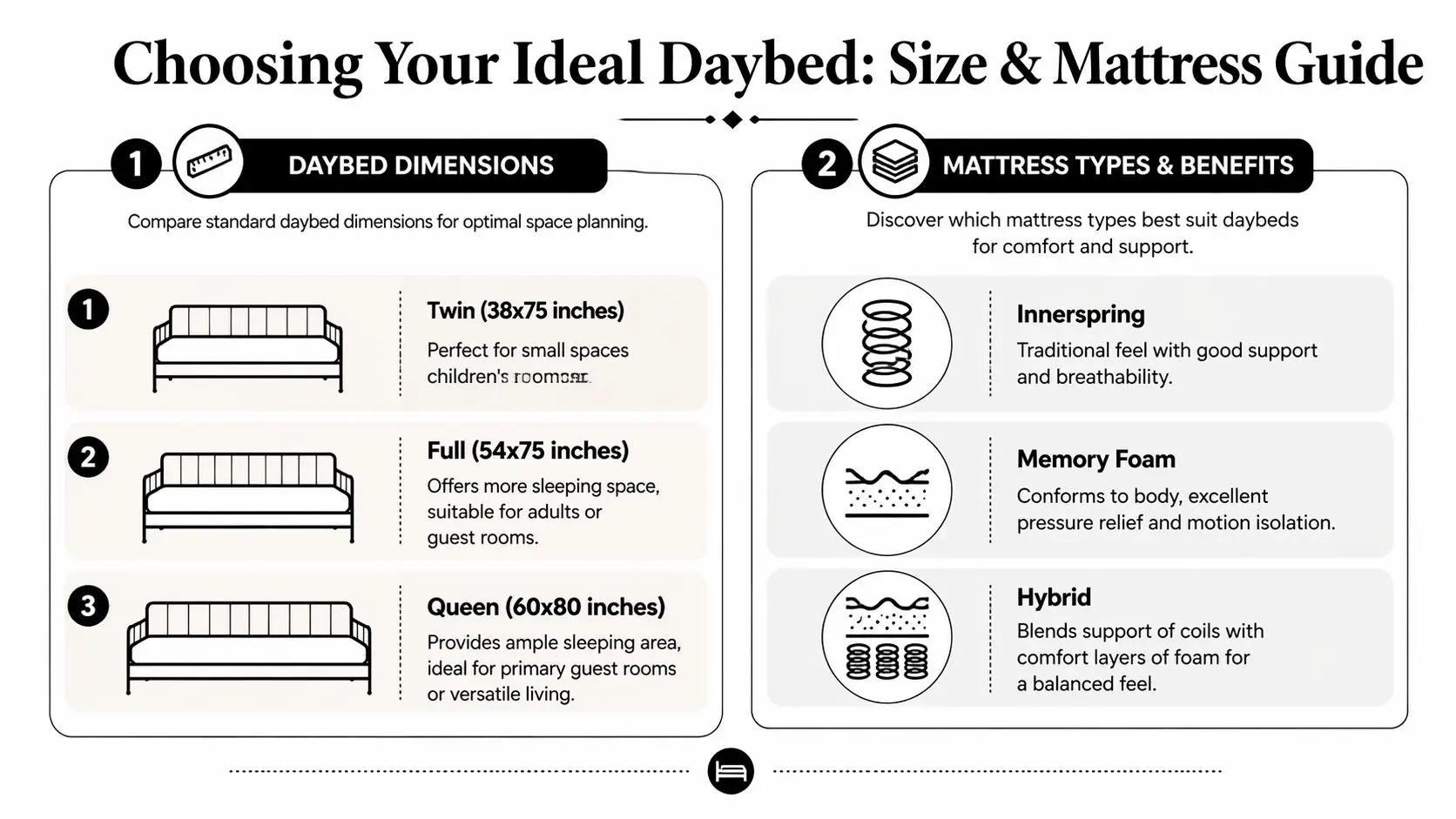
Twin daybeds remain the practical standard because they preserve floor space and usually look more natural as seating. In a guest room, office, or reading nook, that compact footprint often gives you the best balance between comfort and circulation.
A full-size daybed can make sense if adult sleeping comfort ranks higher than space savings. The trade-off is simple. You gain more sleep surface, but the piece starts to behave more like a small sofa-bed and asks more from the room around it. Walkways get tighter. Side tables need more care. Bedding becomes more noticeable because the piece takes up more visual weight.
That is why room fit should be judged in two ways. Measure the frame, of course. Then measure how the room feels once someone is sitting, walking past, or pulling up a chair nearby. For a broader look at dimensions before you buy, Giorgi Bros. offers a helpful guide to choosing the best bed and mattress size for your home.
For a long-term purchase, I usually tell homeowners to resist sizing up just because a larger bed sounds more generous. A daybed that fits the room well tends to get used more often and kept longer. That is part of the buy-it-for-life mindset. You are not only buying sleeping space. You are buying years of easy living.
Mattress depth decides whether the piece feels like seating or bedding
Many first-time buyers get tripped up here.
A daybed mattress has to do double duty. It supports a guest at night, then acts like a seat cushion the next morning. If the mattress is too tall, you lose that relaxed, sofa-like sit and the proportions can look top-heavy against the headboard. If it is too thin, the frame can feel stingy for sleep and less satisfying for longer stays.
The goal is balance. You want enough cushioning for real rest, but not so much height that sitting feels perched.
Here is a simple way to compare common mattress types:
| Mattress type | How it tends to feel on a daybed |
|---|---|
| Innerspring | Supportive, familiar, and usually easier to keep cooler |
| Memory foam | Pressure-relieving, quieter in feel, and more contouring |
| Hybrid | A middle ground with support below and a gentler surface above |
No chart replaces a body test, though. Sit upright with your feet flat on the floor. Then lean back as if you are reading on a Sunday afternoon. Then lie down fully. A good daybed setup should feel credible in all three positions, not just one.
Plan for guest use before you fall in love with extras
A trundle can be a smart addition for grandchildren, holiday visitors, or a vacation property. It can also turn an orderly room into a tighter one if you have not planned the clearance.
Leave enough open floor area for the trundle to roll out comfortably. Make sure there is a place for extra pillows and bedding. Check that nearby case goods, rugs, or nightstands will not interfere with movement. These are small details, but they decide whether the room feels easy to live with or mildly frustrating every single time someone stays over.
Custom options matter here more than shoppers expect. At Giorgi Bros., choices in frame depth, upholstery, wood finish, and overall scale can help a daybed feel perfectly suited to the room instead of squeezed into it. That kind of fit supports longevity. A well-chosen piece is less likely to be replaced because the room changed or the function became awkward.
A good daybed investment should pass a simple test: it should look settled in the room, feel comfortable in more than one posture, and still make sense five or ten years from now.
Exploring Materials and Headboard Styles
A daybed can fit the room on paper and still feel wrong once it arrives. In my experience, that usually comes down to material and headboard design. Those two choices shape how the piece wears, how it feels to use every day, and whether you will still be happy with it years from now.
For a buy-it-for-life purchase, start by asking a simple question. What kind of aging do you want to live with? Good furniture changes over time, but it should do so gracefully.
What each material brings to the room
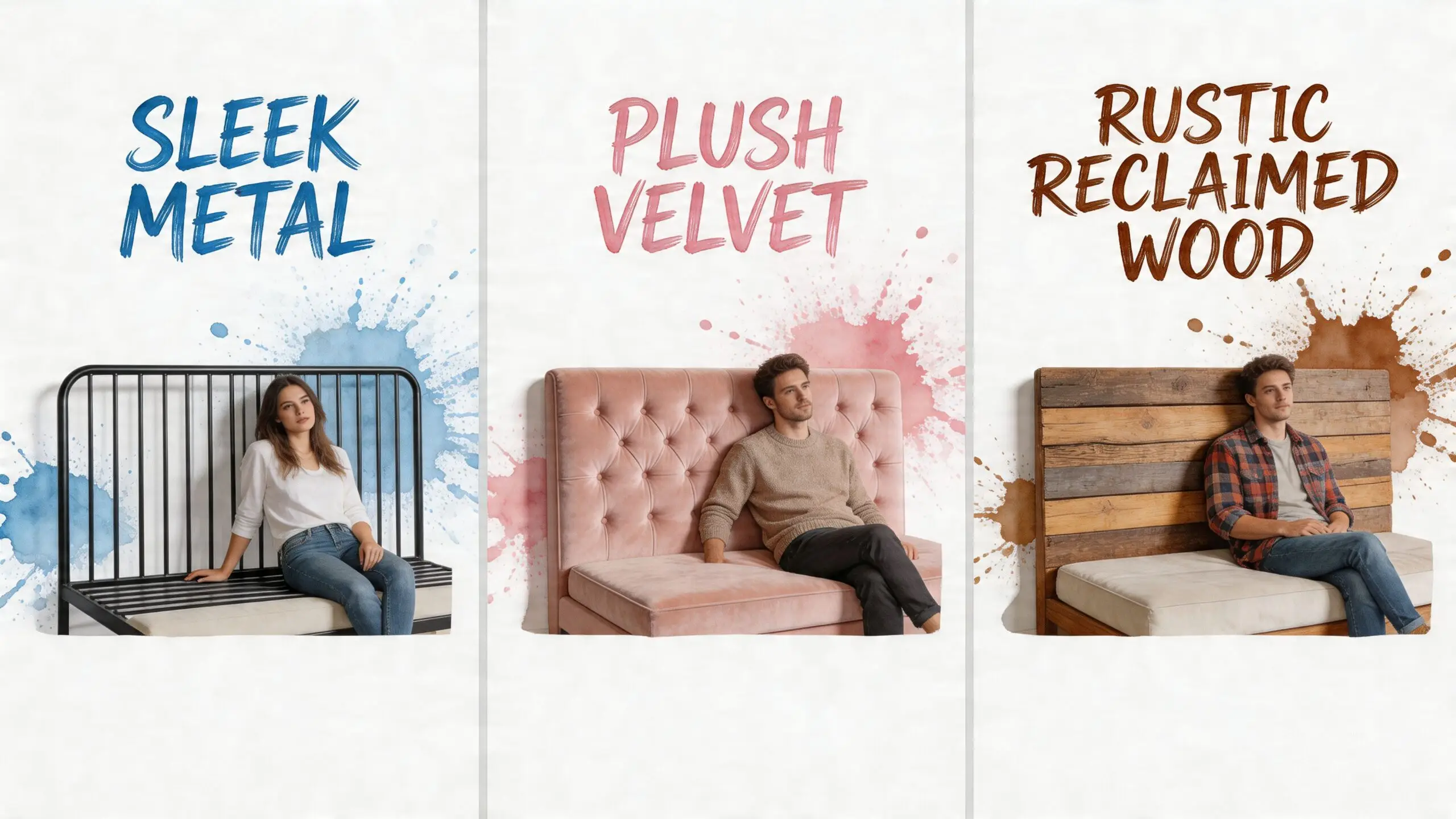
Wood daybeds usually offer the longest design life. A solid wood frame has the kind of visual weight that helps a piece feel settled rather than temporary, and quality wood can be refinished or touched up as the years go by. That matters in Bay Area homes, where people often keep a good piece through several room changes and even several moves. Species and finish also make a real difference. Oak feels sturdier and more architectural. Walnut often reads richer and more formal. Lighter finishes can keep a guest room or office from feeling too heavy.
Metal daybeds bring a different kind of longevity. They are often easier to keep visually light in smaller spaces, and the open lines can help a room breathe. The tradeoff is comfort at the edges. If the daybed will double as a reading spot or TV perch, a metal rail headboard may look graceful but feel harder and less inviting without plenty of cushioning.
Upholstered daybeds are usually the most comfortable to lounge against, which is why families often gravitate to them first. They soften corners, reduce visual sharpness, and make a room feel more finished. The long-term question is not just color. It is fabric performance, cleanability, cushion construction, and whether the upholstery can still look respectable after years of daily contact. A useful starting point is this guide to upholstery materials and their practical differences.
The simplest way to compare these three materials is to think about patina. Wood tends to gain character. Metal tends to keep its shape and line. Upholstery tends to reward careful fabric selection.
Headboard styles and the feeling they create
The headboard is the handshake of the piece. It is the first part your eye reads, and often the first part your back and shoulders touch.
A solid panel headboard feels calm and dependable. It works well in homes with cleaner architecture, and it usually ages well because the design is less tied to a passing trend.
An open rail or decorative metal headboard feels lighter and more airy. This style can be helpful in a smaller room, especially if you do not want the daybed to act like a visual wall.
A tufted upholstered headboard gives more softness and more comfort for sitting upright. It also carries more style commitment. Tufting can be beautiful, but it is more specific. If your goal is a piece you can keep through changing decor, a simpler upholstered panel often has longer staying power.
A shelter or wing-style headboard creates a cocooning effect. In the right room, it can make a daybed feel almost built in. That is a strong choice for a library, den, or multipurpose guest room where the daybed needs to read as a true furniture piece, not an extra bed along the wall.
Choosing for long-term value, not just first impressions
Many shoppers struggle with this particular choice. They choose the material they like from six feet away, instead of the one that fits how the piece will be used.
If the daybed will sit in a sunny Bay Area room, some fabrics and finishes will age better than others. If children or frequent guests will use it, easy-clean textiles and forgiving wood tones can save a lot of frustration. If the room has sentimental importance, such as a family office turning into a guest room for visiting relatives, custom details start to matter more. The right fabric, finish, trim, or headboard scale can turn a decent purchase into a personal one.
That is one reason custom furniture at Giorgi Bros. appeals to people planning for the long term. You are not just picking a style. You are choosing the materials and details that let the piece belong to your home for years.
Placement and styling that make the piece work
A daybed with headboard should look intentional in daylight and inviting at night. That balance usually comes from proportion and restraint.
A few guidelines help:
- Place it where the headboard has room to be seen, rather than crowding it between windows or bulky case pieces.
- Match the visual weight of the frame to the room. Heavier wood or shelter styles can anchor a large wall. Open metal frames suit tighter spaces.
- Use pillows in layers, but keep the arrangement easy to reset after sleeping.
- Choose bedding with enough structure to read neatly during the day, especially if the daybed serves as seating.
The best combinations feel natural after the novelty wears off. That is the standard to use. Not whether the piece looks good for one photo, but whether it still feels right after years of reading, resting, hosting, and living with it.
The Giorgi Bros Custom Furniture Advantage
Most online daybed shopping pushes you toward ready-made answers. You pick from a short list of colors, a fixed size, and whatever material the manufacturer chose for the broadest audience. That can work for temporary needs. It’s not always the right path for a piece you plan to live with for years.
Customization matters more with a daybed because this piece sits in two worlds. It has to suit the architecture of the room and the habits of the household. A generic frame can miss by just enough to be frustrating every single day.
Why custom is often the smarter value
There’s a real information gap here. Online daybed content rarely explains custom options in any depth. At the same time, personalized upholstery sales grew 28% according to the source summarized in this discussion of the customization gap in daybed shopping. That same source also notes that custom American-made hardwoods from brands like Simply Amish can offer better resistance to Bay Area coastal humidity than mass-produced alternatives.
That matters because “buy for life” isn’t just a slogan. It’s a materials decision.
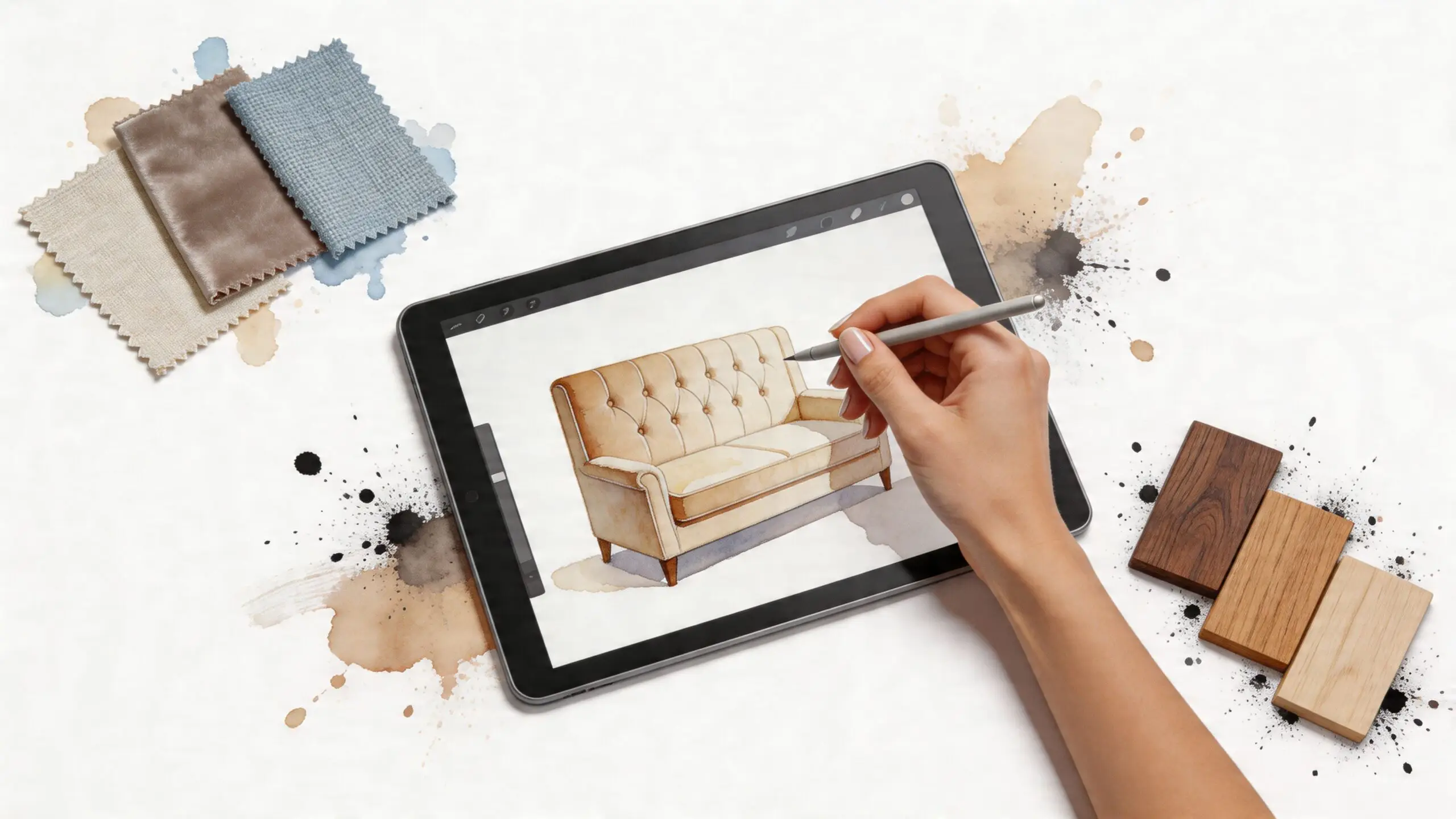
A custom daybed with headboard lets you shape the details that affect long-term satisfaction:
| Custom choice | Why it matters over time |
|---|---|
| Wood species | Changes durability, grain, and visual warmth |
| Finish color | Helps the piece belong to the room for years |
| Fabric or leather | Affects comfort, maintenance, and wear pattern |
| Headboard shape | Determines both support and style personality |
What a no-pressure process should feel like
Custom furniture shouldn’t feel complicated. It should feel clarified.
In a good showroom conversation, a consultant helps narrow the field instead of expanding it endlessly. You might start with the room’s use, then look at the frame type, then compare fabric, leather, wood species, and finish samples in person. That’s very different from trying to judge tone and texture from a product thumbnail.
For readers exploring custom-order furniture, this guide to getting started with custom order gives a useful overview of how to think through choices before you commit.
Where Giorgi Bros fits into that process
Since 1933, Giorgi Bros. has operated in South San Francisco with a family-owned, non-commission approach, and the showroom carries custom-order options from brands such as Simply Amish, American Leather, and Hancock & Moore, along with a broad range of wood species, finishes, leathers, and fabrics. That setup matters because a daybed with headboard often becomes an anchor piece, not a placeholder.
For Bay Area Interior Design projects, that flexibility can be the difference between “close enough” and “made for this room.” It also supports a more sustainable approach. When people choose carefully, they’re less likely to replace the piece because the color missed, the wood felt wrong, or the upholstery couldn’t keep up.
Custom furniture isn’t about adding complexity. It’s about removing the compromises you’d otherwise live with for years.
Caring for Your Lifetime Daybed Investment
A well-made daybed with headboard can stay useful for a very long time, but long life doesn’t happen by accident. The good news is that maintenance usually isn’t difficult. It’s just regular.
People often think buying quality means they can stop paying attention. The opposite is closer to the truth. Quality materials reward good habits.
Care depends on the material you chose
A wood daybed needs gentle dusting, attention to spills, and protection from rough daily contact in the same spots. A metal frame benefits from routine wipe-downs and quick attention if the finish gets nicked. Upholstery needs steady fabric care, not emergency cleaning after months of neglect.
Simple habits make the biggest difference:
- Rotate how you use the seat area so one spot doesn’t wear faster than the rest.
- Keep bedding breathable and tidy so moisture and dust don’t linger.
- Address small marks early before they become set-in problems.
- Use the frame as intended instead of treating rails or arms like ladders or storage ledges.
For wood pieces in particular, this kind of guide to protecting wood furniture from scratches and stains is helpful because prevention is usually easier than repair.
Good care supports a more sustainable home
There’s also an environmental side to maintenance. The longer a piece stays useful, the less likely it is to be replaced prematurely.
That connects directly to material sourcing. 42% of premium furniture buyers prioritize sustainability, and custom builds with American-made, low-VOC finishes can avoid the higher off-gassing associated with some mass-produced MDF furniture, according to this discussion of sustainable material concerns in daybed shopping. For many households, that isn’t just an environmental preference. It’s part of a whole-home wellness mindset.
The buy-it-for-life mindset in practice
“Buy it for life” doesn’t mean expecting furniture to survive neglect. It means starting with sound construction and then treating the piece like something worth keeping.
A short checklist works well:
- Choose better materials up front
- Use the correct mattress and support system
- Clean lightly but consistently
- Repair small issues before they grow
- Refresh textiles as needed instead of replacing the whole frame
That last point is important. A strong daybed can evolve with the home. New pillows, fresh upholstery, or updated bedding can extend the life and relevance of the piece without starting over.
Common Questions and Your Visit to Giorgi Bros
A few questions come up almost every time someone shops for a daybed with headboard. They’re good questions, because this category sits between familiar furniture types.
Is a daybed the same as a futon
Not really. A futon usually depends on conversion. A daybed usually stays in one form and uses a regular mattress setup. If you want a piece that’s always ready for sitting and sleeping without folding mechanisms, a daybed often feels more natural.
How do you make a daybed comfortable for sitting all day
Start with the right mattress height, then add supportive back pillows. The frame should help, not fight you. A well-designed headboard and side structure make a big difference because they give the body a clearer place to rest.
Is a daybed only for kids or casual guest rooms
No. The style range is much broader than people expect. Wood, metal, and upholstered versions can work in adult offices, dens, libraries, guest suites, and mixed-use living spaces. The key is choosing a model that looks intentional in the room rather than temporary.
Should you buy online or test one in person
For something this multifunctional, in-person testing helps. You need to know how it feels to sit, lean, and lie down. You also need to see the finish, fabric, scale, and comfort level with your own eyes.
That’s especially true if you’re comparing Custom Furniture, Amish Furniture, or upholstered options for a larger remodeling project. In a physical showroom, you can touch the materials, compare details side by side, and talk through layout questions with Non-Commission Sales Staff and design consultants. If sleep comfort is part of the plan, it also helps to explore Premium Mattresses in the same visit. And if timing matters, it’s useful to know that Financing options are available.
If you’re furnishing in Furniture South San Francisco or working through a wider Bay Area Interior Design project, seeing the furniture in person often turns uncertainty into a clear decision.
If you’re ready to compare a daybed with headboard in person, visit Giorgi Bros. Furniture in South San Francisco. You can walk through 50,000 square feet of showroom displays, test materials and comfort firsthand, and speak with design consultants in a no-pressure setting. If you’re planning a remodel or looking for a buy-for-life piece with custom wood, fabric, or leather options, booking a Design Consultation is a practical next step.