A room can be beautifully furnished and still feel unfinished. The sofa is right. The rug is right. The lamps do their job. But the space still feels a touch cool, or a little too careful, like it needs one softer note to make everything relax.
That’s where blush decorative pillows often earn their place. Not as a sugary accent, and not as a passing fad, but as a quiet finishing layer that adds warmth, shape, and texture. In a well-designed home, those small layers matter. They’re often what make investment pieces feel personal instead of staged.
In a family business that’s been helping Bay Area homeowners furnish their homes since 1933, you learn that trends come and go, but certain colors keep returning in new forms because they work. Blush is one of them. When it’s chosen with restraint, and paired with the right fabric and furniture, it reads less like pink and more like a refined neutral.
More Than a Trend The Timeless Appeal of Blush
A common situation in design work goes like this. A client has a handsome gray sofa, a solid wood cocktail table, and artwork they love. The room is polished, but it feels slightly flat. Add a blush velvet pillow, or a round plush accent in the right tone, and suddenly the room looks warmer and more complete.
That shift isn’t accidental. Blush has a way of softening hard edges, especially in rooms with leather, wood, stone, or deep charcoal upholstery. It brings life without shouting for attention.
Pinterest’s projection for 2026 helps explain why the look feels so current. According to Pinterest Predicts 2026 and its Cabbage Crush forecast, searches for jelly blush in home decor have surged by 130%, reflecting strong interest in soft, sculptural, textured interiors.
Why blush lasts longer than most trends
The reason blush survives trend cycles is simple. It isn’t tied to one decorating style.
It works in:
- Traditional rooms where it softens carved wood, patterned upholstery, and antique finishes
- Modern interiors where it adds warmth to black, cream, and sleek silhouettes
- Transitional spaces where it bridges old and new without looking forced
Practical rule: If a color can sit comfortably beside walnut, brass, linen, and leather, it has more staying power than the average trend tone.
Blush also changes character depending on the material. In velvet, it can feel dressy. In boucle or washed cotton, it feels casual. In faux fur or plush textures, it brings a sculptural quality that works especially well in bedrooms and family rooms.
The investment mindset matters
The mistake is treating pillows like disposable decor. Too many rooms end up with accessories bought for a season, then replaced because the color was too specific or the fabric wore poorly.
A better approach is to choose blush decorative pillows the same way you’d choose a chair or an area rug. Look for shape, texture, and tone that will still make sense after the trend headline fades. That’s how a fashionable accent becomes part of a lasting room.
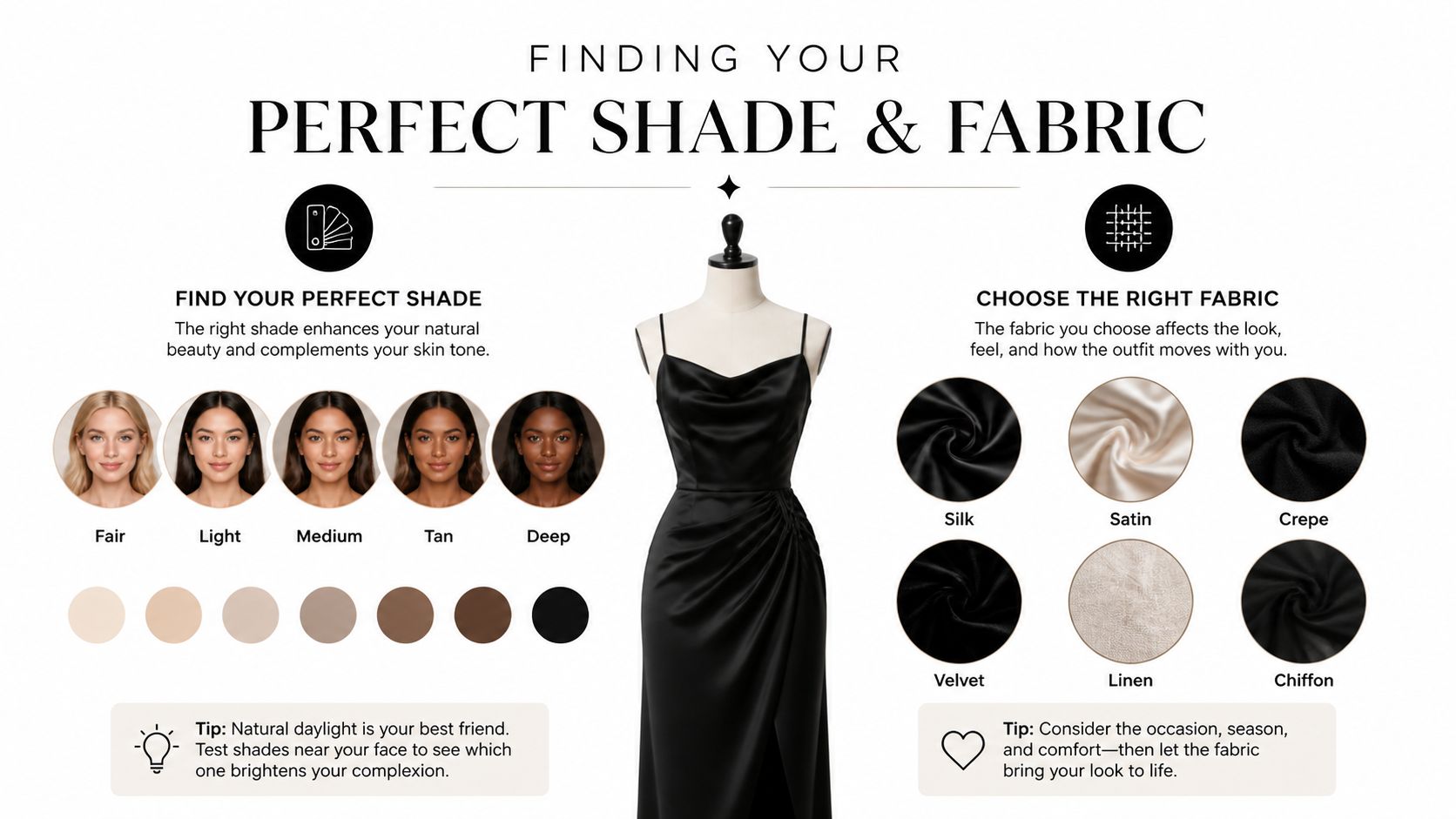
Finding Your Perfect Shade and Fabric
Choosing blush well starts with restraint. The word covers a wide range of tones, and not all of them behave the same way once they’re in your home. A blush that looks charming on a screen can turn peachy, chalky, or flat in person, especially under warm lamps or afternoon sun.
The smartest way to choose is to decide on the mood first, then the material.
If you’re comparing upholstery and accent fabrics together, it helps to understand how texture changes color. A brushed or napped textile will usually read richer than a flat weave. A useful place to start is this guide to upholstery material options and performance considerations.
Start with the shade
Here’s a practical way to narrow the color family:
| Blush tone | Best use | Overall feel |
|---|---|---|
| Dusty blush | Gray sofas, taupe sectionals, oak case pieces | Calm and understated |
| Mauve blush | Charcoal, espresso wood, deeper transitional palettes | More tailored |
| Peach blush | Cream upholstery, lighter woods, sunny rooms | Warmer and brighter |
| Neutral rose blush | Leather seating, mixed-metal rooms, layered bedding | Balanced and versatile |
A few rules hold up well in real homes:
- Cool room, warmer blush: If your room leans gray, slate, or black, a blush with a touch of warmth keeps the space from feeling sterile.
- Warm room, muted blush: If you already have honey wood, beige upholstery, or brass, choose a quieter dusty blush so the room doesn’t turn overly sweet.
- Strong architecture, softer blush: Clean-lined furniture often benefits from a rounded, muted blush tone that takes the edge off.
The right blush should look like it belongs to the room, not like it was added to rescue it.
Then choose the fabric by lifestyle
Fabric makes or breaks the pillow. Through fabric, decorative choices become practical ones.
Velvet suits formal living rooms, refined bedrooms, and homes that want a richer finish. It reflects light beautifully and gives blush more depth.
Linen and linen-look weaves feel easier and more relaxed. They pair well with coastal, casual, and collected interiors, but they won’t give you the same plush visual weight.
Boucle and teddy textures are strong choices when you want sculptural softness. They work well in reading corners, guest rooms, and layered beds.
High-quality polyester velvet or performance-minded synthetics often make sense for households that want durability without sacrificing appearance.
Use this checklist when deciding:
- For a dressier room: choose velvet, especially if the furniture has clean lines or leather surfaces
- For daily family use: choose a durable woven or removable cover that’s easier to maintain
- For a bedroom: favor touchable textures, because comfort matters as much as color
- For sunny spaces: be cautious with delicate fabrics that can lose their depth quickly
The best blush pillow isn’t the pinkest one. It’s the one that still looks right in your room at eight in the morning, late in the afternoon, and six months from now.
The Art of Mixing Sizes and Patterns
One blush pillow can help a room. A thoughtful grouping does much more. It adds rhythm, depth, and that lived-in confidence people often mistake for effortless decorating.
Most pillow arrangements go wrong in one of two ways. Everything matches so perfectly that the furniture looks staged, or every pillow competes and nothing relates. The sweet spot sits in the middle.

When clients want help combining solids, prints, and texture, I often recommend studying room composition the same way you’d study upholstery or case goods. This article on working with patterns in room design is a useful companion if you’re trying to build confidence.
A simple formula that works
If your sofa or bed needs more interest, use contrast in shape, scale, and surface.
Try a grouping like this:
- A larger anchor pillow: start with a generous square in a solid or nearly solid blush tone
- A secondary layer: add a smaller square in a contrasting texture, such as boucle, velvet, or a woven stripe
- A finishing shape: use a lumbar, round, or softly patterned accent to break the repetition
That mix feels curated because every piece does a different job.
Pattern should support, not dominate
Blush plays especially well with understated pattern. Think ticking stripes, soft botanicals, tone-on-tone geometrics, or checks with enough breathing room. If the furniture already has a lot going on, keep the blush pillow solid and let texture do the work.
A few combinations rarely disappoint:
- Solid blush with cream and taupe pattern
- Velvet blush with a nubby neutral
- Muted floral with a plain rose lumbar
- Round plush blush pillow with crisp square back pillows
Don’t match every pillow to the exact same pink. Rooms look better when blush appears in related tones, not one strict shade.
If you prefer a cleaner look, stop at three pillows in a grouping and vary the materials. If you enjoy a fuller arrangement, keep at least one element quiet so the eye has somewhere to rest. Good pillow styling isn’t about abundance. It’s about balance.
Pairing Blush Pillows with Your Furniture
The question comes up constantly in the showroom. “Will blush work with what I already have?” In most cases, yes. But it depends on the undertone of the pillow and the character of the furniture.
Blush is most useful when it solves a problem. It can warm a cool palette, soften a hard material, or keep a dark piece from feeling heavy. That’s why it pairs so well with investment pieces that deserve a thoughtful finishing layer.
If your sofa is gray
Gray upholstery can look elegant or chilly. The difference often comes down to what sits on it. A dusty blush pillow adds warmth without disrupting a calm palette, especially if you bring in a second pillow in cream, sand, or a subtle pattern.
If the gray is cooler, skip anything too peach. If the gray has taupe in it, you have more freedom.
If you have leather seating
Blush and leather are a strong combination because each tempers the other. On a deep brown leather sofa, blush introduces softness and a little lift. On a lighter leather chair, it adds contrast without the sharper effect you’d get from black or navy.
This is especially effective when the blush pillow has texture. Velvet, brushed fabric, or a softly woven face keeps the pairing from feeling flat.
A leather sofa often needs something tactile beside it. Blush works best when it changes both the color story and the hand of the arrangement.
If your bedroom has wood furniture
Custom wood beds, dressers, and benches can feel grounded and substantial. That’s part of their charm. But a room with a lot of wood grain can benefit from a gentler accent.
Blush decorative pillows work well on:
- Amish wood bed frames where they soften strong lines and visible joinery
- Walnut or cherry bedrooms where they lighten the palette without looking stark
- Painted case goods where they bridge ivory, greige, and natural wood tones
If the wood has red undertones, use a muted blush rather than a bright pink. If the wood is pale oak or maple, a warmer rose-blush often feels more natural.
If your room already has color
Blush also works with navy, olive, camel, cream, and even black, provided the room has some softness elsewhere. In Bay Area Interior Design, where many homes mix clean architecture with comfortable furnishings, blush often acts like the humanizing note. It keeps a room from feeling overly polished.
For broader room planning, this guide on choosing living room furniture can help you think through the larger relationship between upholstery, scale, and accents.
Mastering Placement and Layering Techniques
Good pillows can still look awkward if they’re placed without intention. Placement matters because it shapes how formal, relaxed, or welcoming a room feels.
The easiest mistake is using beautiful pillows and then lining them up like soldiers. The second easiest is piling them on until nobody can sit down comfortably. A well-layered arrangement avoids both problems.

Room layout affects pillow placement more than people expect. If you’re arranging seating and accents at the same time, these living room arrangement ideas can help you avoid crowding the whole space.
On a sofa
For a more polished room, symmetry works well. Place matching larger pillows at each end, then add a center lumbar or a smaller contrasting accent if the sofa is substantial enough to handle it.
For a more relaxed look, use an odd-numbered grouping and let one side feel slightly fuller than the other. That asymmetry reads natural, especially in family rooms and casual living spaces.
Try these setups:
- Classic arrangement: two larger back pillows, two smaller front pillows
- Relaxed arrangement: one side layered with two pillows, the other side with one statement pillow
- Minimal arrangement: one strong blush pillow and one neutral textural pillow
On a bed
Beds need a different approach because height matters. The usual order is largest in back, smallest in front. Sleeping pillows form the base, then shams if you use them, then decorative pillows.
A balanced bed might look like this:
- Sleeping pillows at the back
- Decorative shams or euro shams
- One or two blush decorative pillows
- A lumbar or small accent at the very front
If your headboard is especially beautiful, don’t hide it completely. Pillows should enhance the bed, not bury it.
Keep the arrangement generous but usable. If removing the pillows each night feels like a chore, there are too many.
The final touch
Some people like a crisp, structured chop in the center of a pillow. Others prefer a full, rounded shape. Either can work. What matters is consistency with the room. A formal sofa can handle a more sculpted look. A casual chair often looks better with a naturally fluffed pillow that invites you to sit down.
Investing in Quality Custom Options and Care
Decorative pillows may be small, but they take more wear than one might expect. They get leaned on, tossed aside, fluffed, compressed, and exposed to oils from hands and hair. If the fabric is weak or the fill is poor, you’ll see it quickly. The corners sag, the zipper strains, the face fabric loses its life, and the piece that looked charming online starts reading temporary.
That’s why quality matters more here than people assume. A decorative pillow should do more than match the room for a few months. It should hold its shape, stay attractive, and keep earning its place beside better furniture.
What lasts and what doesn’t
There’s a practical reason many designers lean toward better velvet and well-constructed removable covers. Benchmarked durability testing shows that premium polyester velvet covers can withstand over 5,000 double rubs by the Wyzenbeek method and offer strong fade resistance, which makes them a sensible long-term choice for accent use, as noted by Pillow Decor’s velvet pillow specifications.
Mass-market pillows can still have a role. They’re useful if you want to experiment with shape or try a color in a secondary room. But they often come with compromises. Limited fabric choice, lighter construction, generic fills, and fewer options for matching the rest of the room.
Here’s where custom starts to make sense:
- You need an exact tone: off-the-shelf blush may clash with your sofa, rug, or wood finish
- You want the right scale: many retail pillows are serviceable, but not proportioned well for deeper sofas or taller beds
- You care about longevity: better covers, better inserts, and better tailoring usually age more gracefully
- You’re finishing investment pieces: custom upholstery, Amish Furniture, and premium leather deserve accents that look intentional
Care is part of the investment
A good pillow lasts longer when it’s maintained properly. Rotate decorative pillows occasionally. Fluff feather or down-blend inserts by hand instead of overhandling the corners. Clean according to the fabric, especially with velvet or textured weaves.
If you enjoy sewing or want to test a soft blush family before committing to a full custom order, a tactile sample project like this minky fabric pillow kit can be a helpful way to understand hand feel and color softness in a real room.
For homeowners who want a more personalized result, custom order options for furniture and decor are worth considering. That route lets you coordinate fabric, fill, size, and overall character with the larger room, which is especially helpful in Custom Furniture projects and whole-home renovations. It’s also one area where Giorgi Bros. Furniture can be part of the process, particularly for Bay Area homeowners who want no-pressure guidance from Non-Commission Sales Staff, along with access to fabrics, leathers, wood finishes, and other furnishing details in one showroom.
Custom isn’t about making a pillow precious. It’s about making it appropriate. When the scale is right, the fabric belongs, and the quality holds up, blush decorative pillows stop looking like impulse decor and start acting like the finishing layer they should’ve been all along.
If you’re furnishing a room in stages, remodeling a home, or trying to find accents that suit the pieces you already love, visit Giorgi Bros. Furniture in South San Francisco or book a Design Consultation. You can explore 50,000 square feet of inspiration, compare materials in person, and get practical, no-pressure guidance shaped by a family business that’s been serving the Bay Area since 1933. Financing options are available, and if your project extends beyond accent decor, you can also shop Custom Furniture, Amish Furniture, and Premium Mattresses with the same thoughtful approach.