
A lot of bedrooms look busy even when they aren't full. A mismatched bed, a dresser that's too bulky, harsh overhead light, and a handful of quick-fix purchases can make a room feel unsettled at the exact time of day when it should feel restorative.
That's why Scandinavian design keeps showing up in real homes, not just design feeds. The appeal isn't trendiness. It's relief. The room feels brighter, the furniture works harder, and the space supports rest instead of competing for attention. For Bay Area homeowners balancing style, square footage, and long-term value, Scandinavian design bedrooms offer a practical path forward.
The Soul of Simplicity What Is Scandinavian Design
Scandinavian design starts with a simple promise. A bedroom should feel calm, useful, and welcoming. That sounds obvious, but many rooms miss the mark because they chase decoration before function.
In Scandinavian design bedrooms, beauty comes from restraint. Surfaces stay clear. Materials feel honest. The room isn't empty, but every piece earns its place. That's why the style has lasted. It solves everyday problems while still feeling warm and personal.

A Design Language Shaped by Light and Craft
Historically, Scandinavian bedroom design is rooted in the post-World War II era, when the style evolved to prioritize democratic access to quality craftsmanship. The material composition is defined by blond wood tones like pine, ash, and beech, which reflect natural light when paired with walls painted in soft whites, warm greys, or subtle beiges to create a balanced atmosphere, as noted in this mid-century modern Scandinavian bedroom overview.
That history matters because it explains why the style still works. Scandinavian rooms weren't built around excess. They were built around daily life. Long winters and the need for brighter interiors encouraged cleaner layouts, lighter finishes, and furniture that could hold up for years.
Scandinavian design isn't about having less for the sake of appearances. It's about choosing less so the room can do more.
Why It Feels So Different From Trend-Driven Minimalism
A good Scandinavian bedroom doesn't feel severe. It feels settled. The wood adds warmth. Soft bedding and tactile textiles soften the straight lines. Art is curated, not crowded. For readers who like the overlap between Nordic calm and Japanese restraint, this Japandi style wall art guide offers thoughtful ideas for choosing pieces that don't overwhelm the room.
The most successful bedrooms also stay grounded in the architecture and adjoining spaces. A Scandinavian bedroom feels stronger when it relates to the rest of the home, especially if the same quiet palette and natural materials continue into nearby rooms. That kind of continuity is easier to visualize with examples like this Scandinavian dining area inspiration.
What Actually Belongs in the Room
The style works best when the room includes:
- A clear focal point: usually the bed, framed by simple materials and open space.
- Natural finishes: especially light woods and breathable fabrics.
- Purposeful decor: artwork, lighting, and textiles chosen for calm, not volume.
- Visual breathing room: enough open floor and surface space that the room doesn't feel compressed.
That combination is the soul of Scandinavian design bedrooms. They don't ask for perfection. They ask for intention.
Building Your Foundation The Core Color and Material Palette
Most Scandinavian bedrooms succeed or fail before the furniture even arrives. The foundation is the palette. If the room starts with the wrong colors or synthetic-looking finishes, it won't matter how minimal the styling is. The space will still feel off.
The strongest approach is disciplined, not boring. Scandinavian bedroom design mandates a maximum color palette of three neutral tones to achieve the signature light and airy look because darker shades absorb light and work against the goal of brighter interiors, according to this Scandinavian color guidance.
Start With Neutrals That Reflect Light
White is often the first choice people reach for, but Scandinavian rooms usually look better when the white is softened. Off-white, light gray, and pale warm neutrals are easier on the eye and more forgiving in changing light.
Key takeaway: Limit the palette first. Then add texture. Scandinavian bedrooms feel rich because the materials do the work that color would otherwise do.
This doesn't mean every surface should match. It means the room should feel related. A soft white wall, a pale gray upholstered bench, and a warm beige throw can live together without flattening the room.
A few practical guidelines help:
- Choose one dominant wall tone: soft white or another light neutral usually carries the room best.
- Keep the secondary tones quiet: bedding, rugs, and upholstery should support the wall color, not compete with it.
- Use accent colors carefully: muted nature-based shades can appear in art or textiles, but they should stay subtle.
For homeowners trying to refine those relationships, this expert guide to the perfect color palette is a useful next step.
Use Blond Woods for Warmth
Once the wall colors are settled, wood becomes the room's emotional anchor. Light oak, ash, beech, and pine all fit naturally because they brighten the room rather than visually weighing it down. Grain should show. The finish should look natural, not heavy.
That's the difference between a room that feels Scandinavian and one that just uses neutral paint. Wood introduces warmth that paint alone can't provide.
Scandinavian Material Cheat Sheet
| Material | Primary Use | Why It Works |
|---|---|---|
| Light oak or ash | Bed frames, dressers, nightstands | Adds warmth while keeping the room visually light |
| Beech or pine | Secondary furniture and accents | Supports the blond wood look central to the style |
| Linen | Bedding and soft layers | Feels relaxed, breathable, and understated |
| Cotton | Sheets, quilts, and simple upholstery | Keeps the room comfortable and easy to live with |
| Wool | Throws, rugs, and texture accents | Prevents minimal spaces from feeling flat or cold |
Don't Let Minimal Become Sterile
A room with white walls and pale wood can still feel unfinished if every texture is too smooth. Scandinavian design bedrooms need variation under the hand and eye. Linen with visible weave, a wool throw with body, and a rug with subtle texture all help the room feel complete.
What doesn't work is chasing contrast for its own sake. Dark furniture, glossy finishes, and too many accent colors tend to break the calm. The room starts to feel assembled instead of composed.
Choosing Lasting Furniture The Bed Frame and Beyond
The biggest mistake in Scandinavian bedrooms is treating furniture as temporary. The style may look simple, but it depends on well-made pieces. If the bed frame feels flimsy or the dresser looks disposable, the whole room loses credibility.
That's why this style pairs so well with investment pieces. A Scandinavian bedroom doesn't need a lot of furniture. It needs the right furniture, built well, sized correctly, and chosen with patience.
The Bed Frame Should Carry the Room
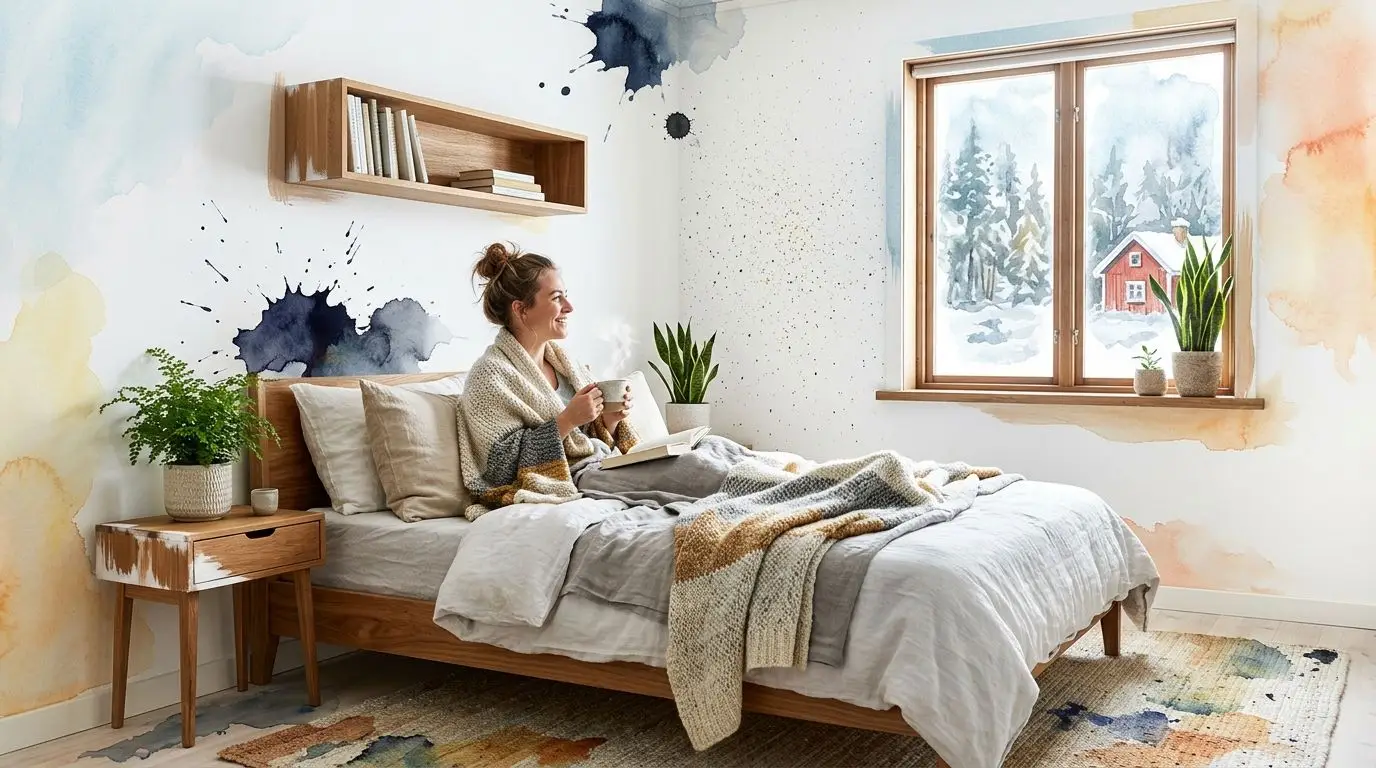
The bed is the anchor. In most Scandinavian design bedrooms, the best bed frames have clean lines, a quiet profile, and solid wood construction. Ornament usually gets in the way. Sharp visual clutter around the headboard or footboard can make the room feel busier than it is.
The long-term value matters too. The buy-it-for-life sustainability of Scandinavian design relies on using solid wood like pine, ash, or beech, which can extend a furniture piece's lifespan to over 50 years and significantly reduce a household's furniture waste compared to mass-produced alternatives, as described in this solid wood durability note.
That's one of the clearest trade-offs in furnishing a bedroom. Lower upfront cost often means replacing pieces sooner. Better materials usually ask for more patience at the beginning, but they pay off in use, stability, and appearance.
Why Customization Matters More Than People Expect
A Scandinavian bedroom falls apart fast when the stain is too orange, the wood species is too heavy-looking, or the proportions don't fit the room. Customization isn't a luxury in that situation. It's how the room gets coherent.
That's especially true when homeowners want Custom Furniture that aligns with the rest of the home. Selecting the wood species, finish, and sometimes even dimensions can be the difference between “close enough” and a room that feels settled for years. Readers exploring that route can see options through this custom made bedroom furniture page.
Better bedroom furniture doesn't shout for attention. It gets quieter the longer it lives in the room.
Beyond the Bed
After the bed frame, the rest of the furniture should support the same logic.
- Nightstands should stay compact: enough surface for a lamp and essentials, without crowding the bed.
- Dressers should look architectural, not bulky: clean drawer fronts and visible wood grain usually work well.
- Benches and storage pieces should justify their footprint: if a piece interrupts circulation or duplicates another function, it probably doesn't belong.
Amish Furniture often stands out in Bay Area Interior Design conversations. The appeal isn't nostalgia. It's precision, solid wood, and the ability to tailor the finish and details so the piece belongs in the room rather than merely occupying it.
Layering Light and Texture for Warmth
Minimal rooms often get blamed for feeling cold. Usually, the problem isn't minimalism. It's under-layering. A bedroom with one overhead light and flat bedding won't feel inviting no matter how attractive the furniture is.
Scandinavian bedrooms solve that with softness in two forms. First, light comes from multiple points. Second, texture builds warmth without adding clutter.
Use Several Light Sources at Different Heights
To combat long, dark winters, Scandinavian homes typically feature five to seven distinct light sources per room. In the bedroom, this involves varied heights, including bedside lamps, wall sconces, and floor lamps, all calibrated to a warm white color temperature to create a cohesive, calming ambiance, according to this Scandinavian bedroom lighting reference.
That approach works just as well in Bay Area homes because layered light is flattering and functional. It supports reading, dressing, winding down, and early mornings without making the room feel overlit.
A practical arrangement often includes:
- Bedside lighting: for reading and a softer glow near the bed.
- Ambient lighting: a ceiling fixture or other central source that doesn't feel harsh.
- Accent lighting: a floor lamp or wall-mounted fixture that adds warmth to a corner or seating area.
Texture Creates the Hygge People Are Actually Looking For
Warmth in Scandinavian design bedrooms doesn't come from adding more stuff. It comes from choosing better layers. Linen bedding, cotton sheets, a wool throw, and a soft rug can make a restrained room feel very comfortable.
For anyone refining fabric choices, Joey'z Shopping's sheer linen collection is a helpful visual reference for the kind of relaxed, natural texture that complements a Scandinavian bedroom.
The same principle applies underfoot. A bedroom with wood furniture and smooth floors often needs softness to balance the hard surfaces. This guide to picking carpet for a bedroom offers a useful way to think through comfort, tone, and texture without overcomplicating the decision.
A Scandinavian room feels warm when the eye sees light and the body feels softness.
What doesn't work is mixing too many statement textiles at once. Heavy patterns, shiny fabrics, and overly decorative pillows can push the room away from calm. The strongest rooms stay tactile, not busy.
Mastering Layout and Storage for a Clutter-Free Space
A Scandinavian bedroom can have beautiful furniture and still feel wrong if the layout is cramped. Flow matters as much as finish. A room only feels restful when people can move through it easily and put things away without effort.
The guiding principle here is Lagom, the idea of not too much and not too little. It's a useful filter for every bedroom decision.
Give the Bed Room to Breathe
The Scandinavian principle of Lagom advises against overcrowding bedrooms with more than 4 to 5 major furniture pieces and calls for unobstructed walking paths of at least 30 inches around the bed to maintain calm and usability, as described in this Lagom bedroom layout reference.
That standard is more important than many people realize. A room with one too many pieces often feels smaller than it is. Removing a redundant chest, shrinking oversized nightstands, or skipping a bench that blocks circulation can improve the room immediately.
Storage Should Disappear Into the Plan
Good Scandinavian storage doesn't call attention to itself. It supports the room unobtrusively.
The most effective choices usually include:
- Integrated bedroom storage: bed frames with built-in drawers or nightstands with enough enclosed space to reduce surface clutter.
- Wall-based storage where appropriate: shelves and mounted pieces can free up floor area when used carefully.
- Disciplined editing: not every possession needs to stay visible in a restful room.
For readers who want to deepen the cozy side of the style without drifting into clutter, this SouthShore Fine Linens hygge guide offers ideas that align well with a cleaner, calmer layout.
What Works in Real Rooms
A practical Scandinavian bedroom layout usually keeps the bed visually centered, preserves clear walking space, and limits furniture to the pieces used regularly. That sounds simple, but it requires restraint.
What doesn't work is forcing in matching sets because they were sold together, or treating every empty wall as a prompt to add furniture. Negative space is part of the design. In well-planned Scandinavian design bedrooms, openness is doing active work.
Bring Your Vision to Life at Giorgi Bros
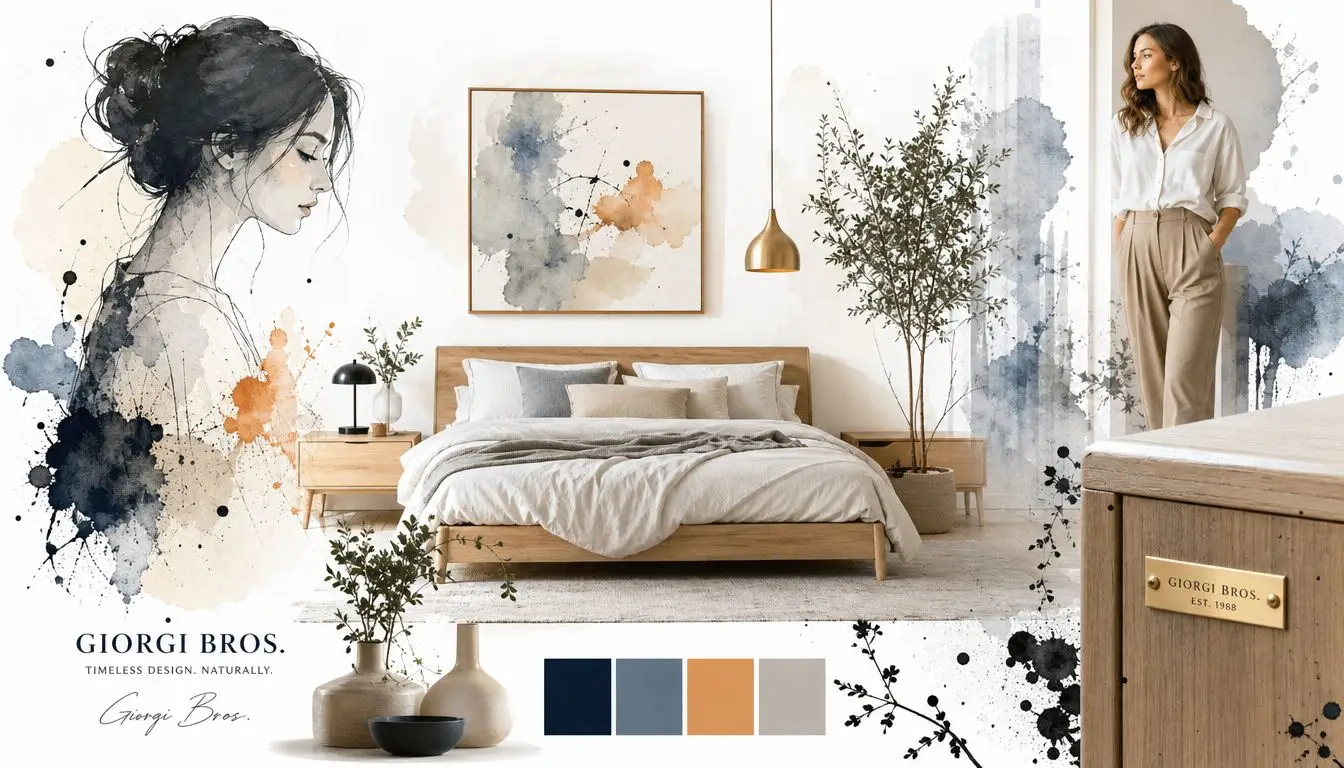
Creating a Scandinavian bedroom isn't about copying a mood board. It's about making a series of smart, lasting decisions. The color palette has to feel calm in real light. The wood tone has to work with the flooring. The bed has to suit the room, not overpower it. The lighting has to support daily routines. That kind of outcome usually comes from seeing materials in person and talking through trade-offs with someone who knows how rooms function over time.
That's where a trusted local showroom still matters. In Furniture South San Francisco conversations, the biggest advantage isn't convenience. It's clarity. People can compare solid wood to lower-grade construction, test the feel of upholstery and bedding, and see how finishes read outside a screen.
Why Long-Term Thinking Fits This Style
Scandinavian design and buy-it-for-life thinking belong together. Both favor fewer, better things. Both reward craftsmanship. Both reject the cycle of replacing furniture just because it was never made to last.
For Bay Area homeowners, that approach also makes financial sense over time. Investment Pieces often cost more at the start, but they tend to hold up better, look better longer, and reduce the churn that comes with trend-based purchases. In the bedroom, that can mean a better bed frame, a more durable dresser, and Premium Mattresses that support sleep instead of becoming another compromise.
A Better Buying Experience Helps People Make Better Rooms
Giorgi Bros. has served South San Francisco since 1933, and that long history matters because it reflects a different way of helping people furnish their homes. The guidance is grounded, practical, and personal. The team includes Non-Commission Sales Staff, which supports the kind of no-pressure conversations that are especially valuable when customers are weighing Custom Furniture, finishes, and room planning decisions.
The showroom offers 50,000 square feet of inspiration, which gives shoppers the chance to touch, feel, and test quality before they buy. That matters in Scandinavian bedrooms, where subtle differences in wood species, stain depth, fabric texture, and scale change the entire mood of the room.
Customization is a major part of the value. Customers aren't limited to what happens to be on the floor. They can explore custom order options in fabrics, leathers, wood species, and finishes to create pieces that fit their home and style. Financing options are available, which can make thoughtful, long-term choices easier to plan around.
The best Scandinavian bedroom is rarely the fastest one to assemble. It's the one built carefully enough that it still feels right years from now.
For homeowners who want support shaping the full room, this interior design consultation service is a strong place to start.
If a calmer, better-built bedroom is the goal, visit Giorgi Bros. Furniture in South San Francisco or book a Design Consultation. The showroom offers a hands-on way to explore Scandinavian-inspired bedroom furniture, Custom Furniture options, Premium Mattresses, and no-pressure guidance from experienced consultants who understand how Bay Area homes live.