
The entryway usually tells the truth about how a home lives. Shoes collect by the door. Bags land on the floor. Mail drifts onto any open surface. Most households don't need a grand redesign. They need one piece that gives the space a job.
A well-chosen bench seat for entryway use can do exactly that. It offers a place to sit, a place to pause, and often a place to hide the clutter that makes a home feel unsettled. The difference comes down to choosing a bench that fits daily life, not just a pretty photo.
Since 1933, families in South San Francisco have turned to Giorgi Bros. for thoughtful, no-pressure furniture guidance. That long view matters here. An entryway bench isn't just décor. It's one of those quiet investment pieces that gets used every day, and when it's built well, customized carefully, and sized correctly, it can serve a home for years instead of seasons.
Table of Contents
- The Art of the First Impression
- Measure Twice Buy Once for Perfect Fit
- Defining Your Bench's Purpose Storage vs Seating
- Choosing Materials for Longevity and Style
- Styling Your Bench for a Welcoming Entry
- Your Custom Entryway Bench Checklist
- Create Your Welcome at Giorgi Bros
The Art of the First Impression
The front door opens, and within a few seconds a home gives its first hello. When the entryway feels crowded or scattered, that feeling follows people into the rest of the house. When it feels calm and useful, the whole home seems more settled.
An entryway bench works because it solves more than one problem at once. It gives people a spot to sit while taking off shoes. It creates a natural landing place for the things that otherwise end up everywhere. It also adds visual weight to an area that often feels forgotten, especially in smaller Bay Area homes where every square foot has to earn its keep.
Many readers get stuck on the same question. Should the bench be large enough to make a statement, or small enough to stay out of the way? Existing content often shows benches as a broad design feature but rarely answers the practical question of what dimensions and clearance work for different households. The key is understanding when a larger bench becomes awkward rather than helpful in daily use, as noted in this entryway bench sizing discussion.
Daily use should lead the design
A bench seat for entryway placement works best when it supports a household's routine. A family with school bags and sports shoes needs something different from a condo owner who wants one neat perch by the front door.
Practical rule: If a bench makes the entry look prettier but makes the doorway harder to use, it's the wrong bench.
That's where a buy-it-for-life mindset matters. A durable, multifunctional bench can replace the cycle of temporary fixes, flimsy baskets, and pieces that never quite solve the problem. Better materials usually age with grace. Better construction usually means fewer wobbles, fewer frustrations, and less waste over time.
One piece can change the rhythm of the room
The right bench adds order without making the space feel staged. That's why it's often one of the smartest entryway purchases a homeowner can make.
- For busy households: It creates a dependable drop zone.
- For small spaces: It combines seating and storage in one footprint.
- For design-focused homes: It sets the tone for the rooms beyond it.
That combination of usefulness and beauty is why entryway benches keep earning their place. They're quiet workers, and the best ones don't just fill a wall. They improve the way a home feels every single day.
Measure Twice Buy Once for Perfect Fit
You come home with groceries in one hand, a backpack in the other, and the front door barely clears the new bench. It is a small measuring mistake, but it changes the whole entry. A bench seat for entryway use has to do more than look right against the wall. It has to fit the way your household moves.
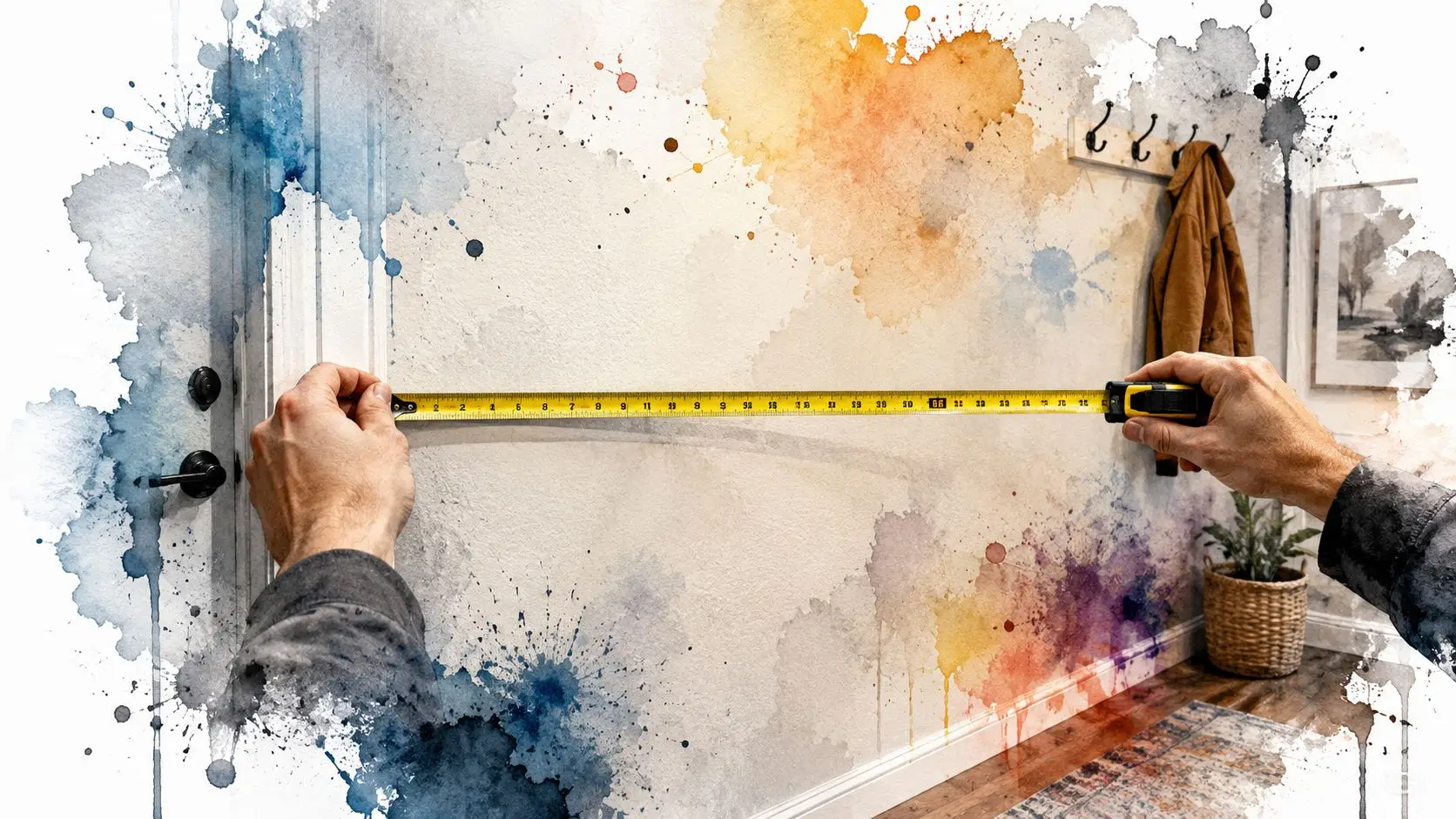
Fit deserves attention before finish, fabric, or leg style. In a foyer, a few extra inches can turn an easy pass-through into a daily sidestep. The bench should support the room's rhythm, not interrupt it.
Start with the space itself. Measure the wall, of course, but also measure the room in motion. Check the door swing. Check how far the bench will project into the walkway. Open the closet doors nearby. Walk through with the things you usually carry. Families are often surprised to learn that width is only one part of the fit.
Depth is where many buying mistakes happen. A bench can be visually beautiful and still feel too bulky if it reaches too far into the room. Our guide to bench seat depth and comfortable proportions explains the sizing range that usually works best, especially in tighter Bay Area entries where every inch counts.
A simple painter's tape outline on the floor helps more than hours of scrolling product photos. Mark the bench footprint, then live with it for a day or two. Sit in the taped area mentally. Pass by it with shoes on. Let another person walk through at the same time. That quick test shows whether the bench will feel natural, cramped, or just a little too close for comfort.
Use these measurements before you choose a style:
- Wall width: Measure the section where the bench will sit, then leave some breathing room so it looks placed, not wedged in.
- Depth into the room: Tape the depth on the floor and test the walking path during a normal day.
- Seat height: Compare it to a chair at home that already feels easy to sit on and stand up from.
- Door and closet clearance: Open every nearby door fully and check for interference.
- Traffic flow: Test the route with bags, coats, or kids moving through, because that is how the entry really gets used.
A taped outline on the floor can answer sizing questions faster than any showroom tag.
Custom ordering often makes this process easier, not harder. Once you know the measurements, you can shape the bench around the room instead of forcing the room to accept a standard size. A slightly shorter length, a shallower seat, or a different height can change both function and appearance. That is the part many shoppers miss. Good sizing does not only solve practical problems. It also creates a bench that looks calmer, more balanced, and more at home from the moment you walk in.
Defining Your Bench's Purpose Storage vs Seating
Once the size is settled, the next question is simple. What job should the bench do? A misunderstanding here often derails purchases. A bench that looks right but serves the wrong purpose won't stay useful for long.
A common benchmark in the market is the 48-inch-wide storage bench. That format is designed to seat two people while still fitting many foyers, and one example lists dimensions of 17 inches deep x 48 inches wide x 25.3 inches high, showing how seating and concealed storage can live in a single piece, as shown in this storage bench product reference.
The simple bench
A simple bench is mostly about seating and style. It works well in homes that already have nearby storage, such as a coat closet or built-in cabinetry. This kind of bench keeps the entry visually open and often feels more furniture-like than utility-driven.
It's a smart fit for:
- Minimalist homes: Clean lines matter more than hidden compartments.
- Smaller households: There's less gear to manage by the door.
- Formal entries: The bench plays a visual role as much as a practical one.
The storage workhorse
Storage benches earn their keep in active households. Lift tops, drawers, and cubbies help keep shoes, bags, and seasonal layers from spilling into the walkway. They're especially useful where there isn't a dedicated mudroom.
A helpful way to explore this category is to look at other multifunctional furniture forms, such as blanket storage trunks, because they show how concealed storage can keep a room looking calm without sacrificing usefulness.
In a hard-working entry, hidden storage often matters more than decorative detail.
The hybrid choice
The hybrid bench tries to balance both needs. It offers comfortable seating but still gives the household a place for the essentials. For many Bay Area homes, that balance is the sweet spot.
The choice usually becomes clearer when it's framed around real routines:
| Household pattern | Bench type that often fits |
|---|---|
| Shoes and bags pile up daily | Storage-focused bench |
| The area already has closet support | Simple seating bench |
| The home needs both comfort and organization | Hybrid bench |
One factual option within this category is an entryway-capable bench offered by Giorgi Bros. Furniture, where a bench model is described as usable as an entryway bench. That matters because some benches are built more as accent pieces, while others are intended to handle everyday use.
The best purpose choice isn't the one with the most features. It's the one that removes friction from the routine at the front door.
Choosing Materials for Longevity and Style
Material choice changes everything. It affects how a bench looks on day one, how it wears over time, and whether it becomes a lasting part of the home or another piece that gets replaced too soon.
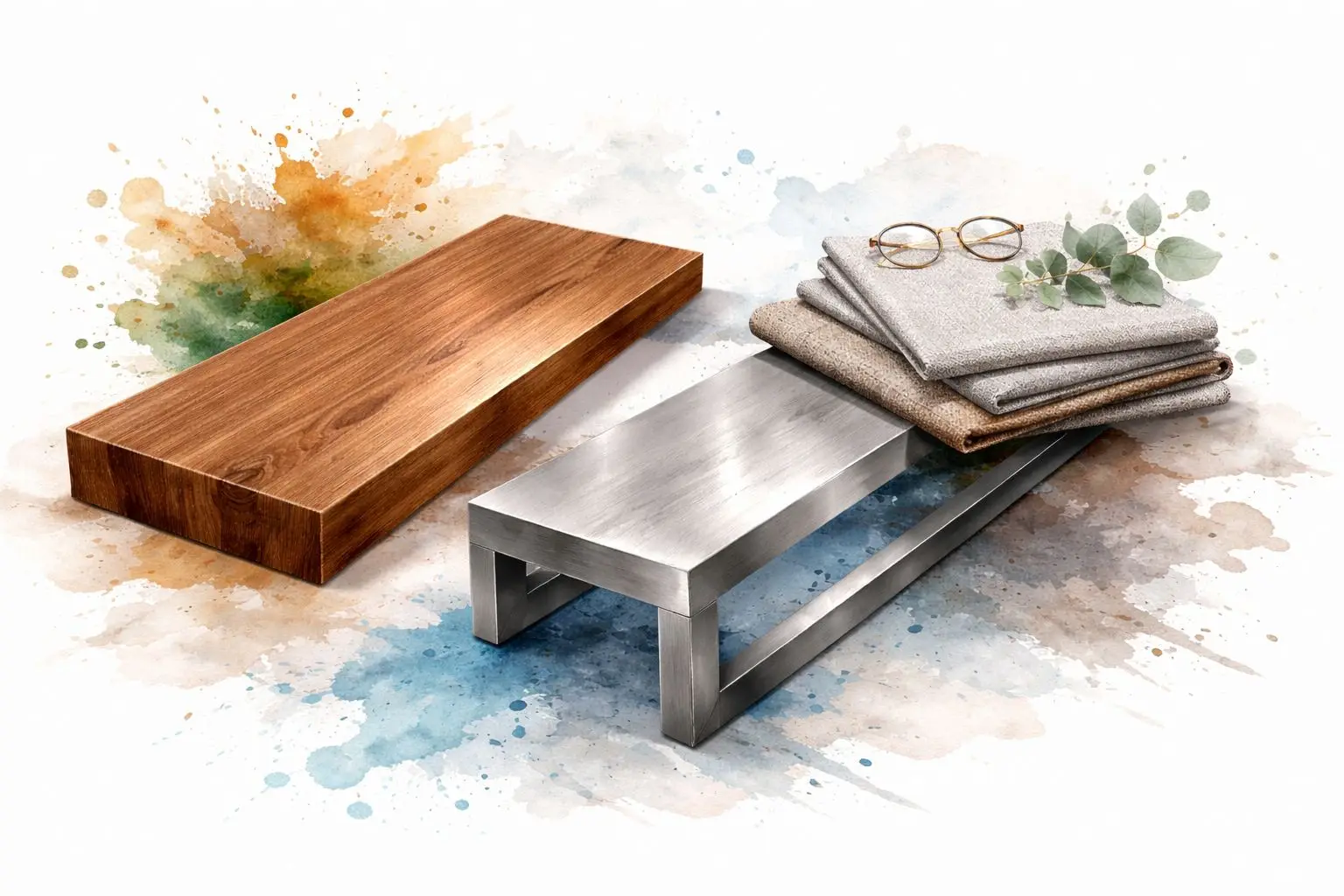
For a bench seat for entryway use, the buying and styling decisions converge. The wood species, finish, and upholstery don't just determine durability. They shape the entire first impression of the home.
What quality looks like in construction
Shoppers often notice color first and construction last. Furniture tends to reward the opposite order. In woodworking, quality depends on joinery and fit. One technical example uses 1-1/4 inch deep mortises and emphasizes dry-fitting so the top sits flush and doesn't rack under load, as described in this woodworking entryway bench reference.
That kind of detail matters because an entryway bench gets constant stop-and-go use. People sit down quickly, set heavy bags on top, and drag shoes against the base. A bench with weak joinery may still look fine on the floor at first, but daily use exposes shortcuts.
Signs of thoughtful construction include:
- Stable joinery: The bench feels solid rather than springy.
- A flush top: The seat sits evenly and doesn't wobble.
- Clean proportions: The legs, rails, and storage elements feel balanced, not bulky.
How materials shape the final look
Solid wood remains one of the strongest choices for buyers who want a piece that can age gracefully. It develops character, can often be refinished, and suits a wide range of interiors from traditional to pared-back modern. That's one reason many homeowners exploring solid wood entryway furniture lean toward custom ordering instead of settling for a generic finish.
Customization is where this category becomes personal. A warm wood can soften a cool hallway. A darker finish can ground a bright, airy foyer. An upholstered top can make a wood bench feel more inviting and polished, especially in homes that want the entry to feel like a true room instead of a pass-through.
For upholstered benches, fabric choice should follow lifestyle before color. Busy homes usually benefit from forgiving textures and practical weaves that can handle everyday contact. Readers who want a broader primer on stain resistance and everyday performance may find Henson's Designs' article on choosing durable window treatment fabrics useful, especially because the same durability mindset applies when selecting textiles for frequently touched furniture.
A beautiful bench isn't only about silhouette. It's about whether the material still looks good after years of real use.
Leather offers a different kind of appeal. It can feel elegant and refined, and many buyers like the way it gains character with age. Fabric usually gives more softness and color flexibility. Neither is automatically right. The better choice depends on who uses the bench, how often, and what kind of wear the household expects.
That's the hidden advantage of custom furniture. The final style doesn't get chosen after the functional decisions. It grows out of them.
Styling Your Bench for a Welcoming Entry
You come home with grocery bags in one hand, a backpack in the other, and shoes that need to come off at the door. In that moment, a well-styled entry bench proves its value. It should look welcoming, of course, but it also needs to support the way your household moves.
That balance is what makes entry styling different from decorating a side table or bookshelf. Every choice around the bench affects both function and appearance. The mirror changes how tall the space feels. The basket determines whether shoes look contained or scattered. The upholstery or wood finish shapes whether the entry reads as casual, polished, warm, or elegant.
Start with placement
Placement gives the whole arrangement its structure. A bench usually looks most settled when it lines up with something that already belongs to the room, such as a wall center, a mirror, hooks, or a doorway. That kind of alignment makes the bench feel intentional, the same way a rug feels right when it sits in relation to the furniture around it.
Clear walking space matters just as much as appearance, as noted earlier. If people have to turn sideways, clip a corner, or set bags down before they can pass, the styling is working against the room.
A few habits help the area feel composed:
- Match the scale above the bench: Artwork, a mirror, or a row of hooks should relate to the bench width so the wall does not feel top-heavy or undersized.
- Keep daily-use items contained: A basket, tray, or lidded box works best when it has a clear job and a clear place.
- Let the bench stay visible: If accessories cover every inch, the piece itself disappears.
Readers coordinating a bench with nearby built-ins or entry storage can also benefit from a broader look at types of cabinet, especially when the goal is to make furniture and millwork feel visually connected.
Build the look in layers
The simplest styling method is layering. A bench works like the base note in a room. Then you add height, utility, and softness in that order.
Here is a formula that works in many Bay Area homes because it keeps the entry useful without making it feel bare:
- Begin with the bench as the anchor. Let its wood tone, upholstery, or silhouette set the mood.
- Add one vertical element. A mirror, art piece, or row of hooks draws the eye up and gives the wall a finished shape.
- Include one storage piece. A basket or tray keeps everyday items from spreading across the seat.
- Add a soft layer if the bench allows it. A pillow or upholstered cushion can make the area feel warmer and more room-like.
- Stop before it gets crowded. Entries usually look better with a few useful pieces than with many decorative ones.
This is also where buying choices and styling choices meet. A wood bench with a visible grain often needs less decoration because the material already brings character. An upholstered bench can connect the entry to nearby rugs, stair runners, or living room textiles. Households comparing fabric, leather, and performance options can review upholstery materials for furniture to match the look to real daily use.
Custom ordering makes this process even more personal. If you choose a darker wood, the styling around it can stay lighter and simpler. If you select a patterned fabric, the wall art and baskets may need to stay quieter. In other words, the final look does not get added after the purchase. It starts with the bench you choose.
The most inviting entry feels ready for real life, not staged around it.
Restraint usually gives the best result. One strong bench, one wall element, and a couple of practical accessories often create a more welcoming entry than a long row of small decorative pieces.
Your Custom Entryway Bench Checklist
By this point, most homeowners don't need more inspiration. They need a short list they can carry into the showroom with confidence. Custom ordering becomes much easier when the household has already made a few practical decisions.
What to bring into the showroom
A helpful checklist includes four things:
- Measurements and photos: Bring the wall width, the available depth, and a few photos of the entry from different angles. Photos often reveal details that measurements alone miss.
- A clear purpose: Decide whether the bench needs to focus on seating, storage, or a mix of both.
- Style direction: Note preferred wood tones, fabric families, and whether the look should feel casual, smart, rustic, or refined.
- Lifestyle notes: Pets, kids, frequent guests, sports gear, and daily shoe volume all affect the right materials and design details.
In a no-pressure environment, that preparation helps the conversation stay useful. Non-Commission Sales Staff can focus on guidance instead of pushing a one-size-fits-all answer. That's especially important with Custom Furniture, where small choices in wood species, finish, and upholstery can dramatically change the final piece.
A showroom visit also helps buyers compare comfort in person. Seat feel, cushion firmness, wood texture, and finish depth are hard to judge online. That hands-on step often separates a bench that merely fits from one that feels right.
Financing options are available, which can make a long-term furniture investment easier to plan. For many households, that supports the more sustainable route. Buying one well-made piece that lasts can be wiser than replacing temporary furniture every few years.
Create Your Welcome at Giorgi Bros
An entryway bench does more than fill an empty wall. It gives the home a starting point. It offers order at the door, comfort in a high-use spot, and a style cue that carries into the rest of the house.
The strongest choices come from matching function, fit, and material. When those three work together, the bench doesn't feel added on. It feels meant for the space. That's where custom options become so valuable, especially for Bay Area Interior Design projects where dimensions and daily routines vary from one home to the next.
Since 1933, Giorgi Bros has helped Bay Area families choose lasting furniture in South San Francisco with a calm, guided approach. Homeowners who want extra support can explore the store's free design services and consultation options before visiting the showroom.
Bring measurements, photos, and ideas to Giorgi Bros. Furniture in South San Francisco, or book a Design Consultation to create a bench seat for entryway use that fits the home beautifully and lasts for years.