
You're standing in a showroom with a stack of fabric swatches in one hand and a dining chair photo on your phone, and every option looks plausible. That's where bad decisions get made. Upholstery is one of those purchases that feels visual first, then turns into a daily-use problem for years, so how to choose upholstery fabric should start with wear, cleaning, and room conditions, not just color.
For Bay Area homes, that matters even more. A sunny living room, a busy family sofa, a pet that claims the corner seat, or a custom chair meant to last for decades all demand different fabrics. At a family-owned showroom like Giorgi Bros. Furniture, serving South San Francisco since 1933, the best choices come from no-pressure guidance and a practical understanding that quality furniture is a buy-for-life decision, not a throwaway one.
Why Your Upholstery Choice Matters More Than You Think
A homeowner often falls in love with a fabric in the showroom, takes it home in a swatch, and discovers the truth only after the first month of use. The color works. The texture works. Then the sofa starts showing wear, the chair cleans poorly, or the fabric fades in a bright room. That's the cost of choosing upholstery as decoration instead of as a long-term performance material.
Upholstery sits in the middle of daily life. People lounge on it, spill on it, nap on it, and drag bags, keys, pets, and kids across it. That is why the smartest approach is to treat fabric as part of the furniture's structure, not just its finish. A good fabric can protect the piece, preserve the look, and extend the life of a custom sofa or chair far beyond a trend cycle.
Buy for life, not for the first impression
The right mindset is simple. A fabric should match the room, but it also has to survive the room. A decorative fabric that looks beautiful for a season but breaks down under normal use is not a value purchase. A sturdier textile can cost less over the ownership cycle because it delays reupholstery, replacement, and frustration.
Practical rule: start with the way the furniture will be used, then filter by appearance. When the order flips, buyers usually end up with regret.
Custom furniture provides a real advantage. A piece made to order can be specified for the household, the light in the room, and the kind of wear the piece will see. That's also why a showroom conversation should include use case, not just color names. A fabric on a sample card cannot tell the whole story of a sofa that will be sat on every day.
For anyone furnishing Furniture South San Francisco homes or planning Bay Area Interior Design updates, the best choices are the ones that respect the realities of the room. Quality is not just about how a piece looks on delivery day. It's about how well it lives with the family for years.
Assessing Your Household Needs Before Browsing Fabrics
Start with the household, not the swatch wall. A fabric that works in a quiet guest room can fail quickly on a primary sofa used by kids, pets, and frequent visitors. The right fabric choice depends on traffic, exposure, and the kind of messes the furniture is likely to see.
Build a simple use profile
A strong fabric profile begins with four questions. Who uses the piece, how often, what happens around it, and where does it sit in the room? A family with young children needs a different answer than a couple furnishing a formal sitting room. A large dog changes the equation again, especially on a low armchair or sectional corner that gets constant rubbing.
Use this filter before looking at aesthetics:
- Daily use: Main sofa, dining chairs, or the entry bench should be treated as high-wear pieces.
- Spill risk: Eating, snacking, coffee, and pets all raise the need for cleaner finishes and tighter weaves.
- Sun exposure: A bright Bay Area room near windows needs fade resistance, not just abrasion resistance.
- Guest use: Occasional seating can tolerate more delicate fabrics than the family room anchor piece.
The most useful internal reference for pet-heavy homes is a pet-friendly furniture fabrics guide, because pet claws, fur, and cleanup routines create a very specific fabric problem set.
Match the room to the risk
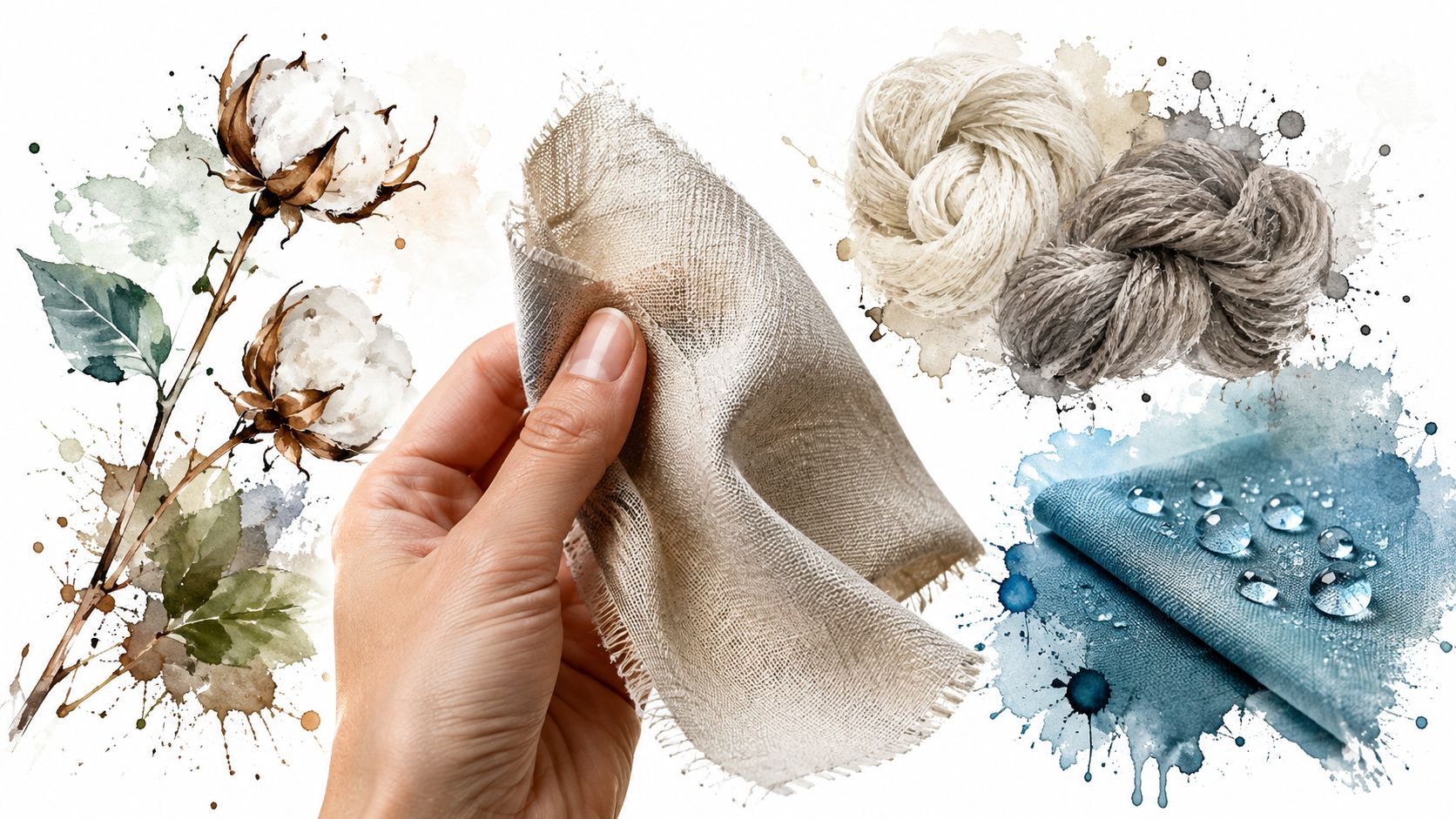
Sun-drenched living rooms need a different level of scrutiny than a shaded den. A chair near the patio doors can look great at delivery and still disappoint if the fabric can't handle light. The same goes for homes with children, where easy cleanup matters just as much as visual warmth.
A useful way to think about it is this. Decorative pieces can tolerate compromise. Primary seating usually can't. That's why the best fabric choices are rarely made from a single preference like “soft” or “neutral.” They come from a profile that balances wear, light, cleaning, and the demands of daily life.
For a deeper material overview, it helps to compare categories in everything you need to know about upholstery materials, then narrow the list based on the household profile already in hand. The work gets easier once the room's actual demands are clear.
Understanding Fabric Durability Metrics and Performance Ratings
A fabric that looks right on a sample board can fail fast in a real home. Upholstery spec sheets cut through that risk. Double-rub counts, cleaning codes, light-fastness, and GSM show how a fabric is built to perform, so you can judge it by use, not showroom polish.
Read the numbers like a professional
The cleanest durability signal is the Wyzenbeek double-rub test. It measures how much friction a fabric can take before wear appears. For heavily used residential furniture, 15,000+ double rubs is a sensible floor. For commercial or very high-use settings, 30,000+ is the standard to respect (Fabric Mill upholstery guide).
That same benchmark shows up in other upholstery guidance as well, with 15,000+ framed for frequent reupholstery use and 30,000+ treated as commercial grade (Lorfords upholstery fabrics introduction).
| Fabric Durability Quick Reference | Best Use Case | Example Furniture |
|---|---|---|
| 15,000+ double rubs | Frequent residential use | Family sofa, dining chair |
| 30,000+ double rubs | High-use or commercial-level wear | Main sectional, busy lobby chair |
GSM matters too, because it hints at body and substance. Upholstery fabrics often sit in the 250 to 400 GSM range, and heavy-duty or family-use seating is commonly steered toward 500+ GSM (Stitch Desk upholstery selection guide, Creative Style Furniture selection guide). GSM does not replace touch, but it gives you a fast read on whether a fabric has enough heft for serious use.
Use cleaning codes and light data as deal breakers
Cleaning codes decide how livable a fabric really is. Some fabrics take water, some need solvent cleaning, and some allow both. Check the label or spec sheet before you fall for the color or weave. In bright rooms, light-fastness is just as important. For sun exposure, a Blue Wool Scale rating of 6+ or a UV rating of 500 or more is a strong target (Stitch Desk upholstery selection guide). If you are also screening for safer product choices, find chemical-free safe furniture is a useful reference point while you compare upholstery options.
A fabric can handle traffic and still fade in sunlight. Abrasion resistance and fade resistance solve different problems.
Start with wear rating. Then check the cleaning code. After that, look at light exposure, weave, and hand-feel. That order keeps you from buying a fabric that photographs well but fails in the room. For a wider material overview, everything you need to know about upholstery materials helps you compare the main categories before you narrow the field.
Comparing Natural and Performance Fabric Options
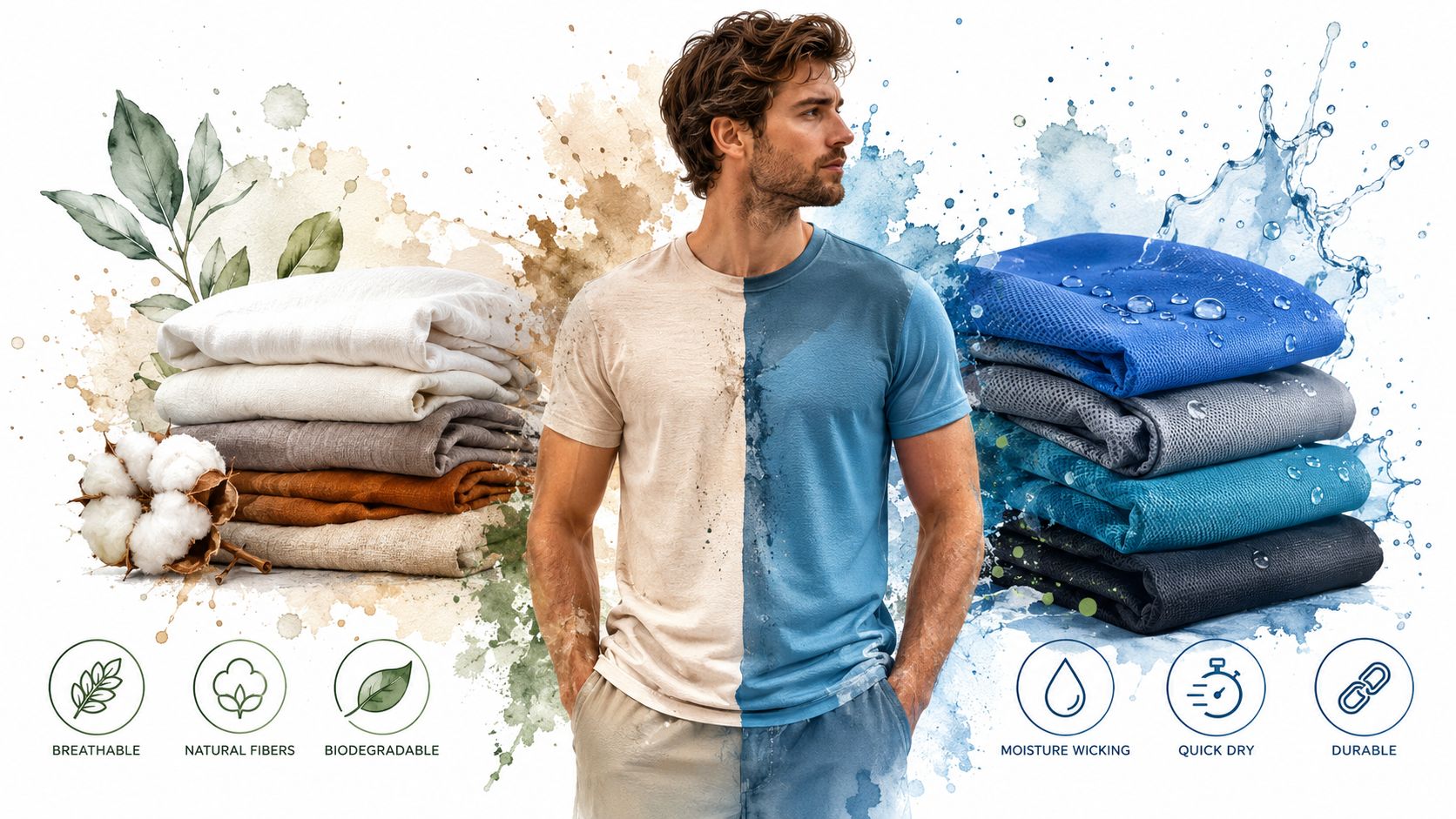
Natural and performance fabrics solve different problems, and the right choice depends on the room, the furniture, and how much upkeep the household will accept. A linen chair in a formal room and a performance velvet on a family sofa can both be smart choices, but they are smart for different reasons. Choose the fabric that fits the way the piece will live, not the way you hope it will behave.
Natural fibers age, performance fabrics defend
Natural fibers such as cotton, linen, and wool appeal because they feel grounded, breathable, and familiar. They often develop patina over time, which is part of their appeal. That aging can look beautiful in the right setting, but it also means the fabric may show more texture change, soften unevenly, or call for a gentler care routine.
Performance textiles are built to handle spills and daily wear with less drama. They usually keep their appearance longer in active households, which makes them a practical choice for main seating. The trade-off is simple. Some buyers prefer the hand-feel or organic character of natural materials. That is a preference question, not a quality verdict.
For leather projects, the grade matters as much as fiber choice does in fabric upholstery. A clear breakdown of feel, use, and durability in leather grades explained helps when you are comparing a leather chair to a fabric sofa in the same room.
Pick the material for the life you actually live
A household that entertains often and cleans on a regular schedule usually benefits from performance fabric on the primary pieces. A quieter home that values a softer, more organic look may choose natural fibers for accent chairs or less-used seating. There is no upside to putting a delicate textile into a family room if it creates constant worry.
Natural fabrics reward careful ownership. Performance fabrics reward busy ownership. That is the key distinction. If the furniture is meant to be an investment piece, the material should match the maintenance habits already in place, because the best custom furniture is the one that still looks right after years of use.
For readers who appreciate soft, lived-in comfort, the feel of a cloud soft brushed sweatshirt may sound inviting, but upholstery has to do harder work than clothing. Chairs and sofas take weight, friction, and sunlight in ways apparel never does. A fabric that feels pleasant in the hand still has to perform under daily pressure, so softness alone should never make the decision.
Ordering and Testing Swatches in Your Home Environment
A swatch that looks perfect under showroom lighting can feel wrong at home. That is normal, and it's exactly why testing in the actual room matters. The fabric needs to survive your light, your cleaning routine, and your daily visual context.
Test for the room, not for the display wall
Start with a minimum 12-inch square swatch. Smaller samples hide too much. A larger piece lets a buyer judge hand-feel, weave, color depth, and the way the fabric folds on an actual cushion or chair arm. One selection guide also recommends sun-testing half the swatch for 72 hours and checking stain resistance with common household solutions (Creative Style Furniture selection guide).
A simple home test sequence looks like this:
- Place the swatch in the room where the furniture will live.
- Check it in morning, afternoon, and evening light.
- Fold it over a cushion or chair edge to study drape and shadow.
- Test cleanability with the kinds of messes the room is likely to face.
- Observe it beside floors, walls, and nearby wood finishes so the color doesn't drift out of context.
The safest habit is to test slowly. A fabric can read warm in a showroom and cool in a north-facing living room. It can also look richer next to a walnut finish than next to painted trim. That's why real room testing matters more than a polished sample card.
For buyers ordering remotely, how to avoid color mismatch when ordering online is a useful internal reference because lighting and device screens often distort what a fabric really looks like.
Treat swatches like small-scale prototypes
Swatches should not just be viewed. They should be handled. Fold them, rub them, and place them near the furniture edge it will cover. A good upholstery choice should still make sense after that abuse.
If a fabric looks uncertain in swatch form, it rarely becomes more trustworthy at full scale.
That is especially true for pattern repeat, seam behavior, and surface texture. A sample gives a clue, not a guarantee. The goal is to eliminate avoidable surprises before the order is placed.
The Long-Term Value of Investing in Quality Upholstery
The cheapest upholstery choice is rarely the least expensive one over time. That happens when a buyer replaces, repairs, or reupholsters sooner than planned. A better fabric on a well-made frame usually protects the original investment longer and reduces the churn of buying again.
Buy once, then keep it longer
The buy-for-life mindset makes sense. Quality upholstery supports sustainability because it extends the usable life of the furniture. Instead of sending a piece out of the home every few years, a homeowner keeps the frame, refreshes the surface when needed, and preserves the value of a better-made object.
Custom ordering helps here because it keeps future service in the picture from the beginning. A piece that can be reupholstered well is a better long-term asset than one that was chosen only for a trend. Giorgi Bros. Furniture also offers custom order services for fabrics, leathers, wood species, and finishes, which matters when the goal is to build something that can last through changing tastes and changing households.
For owners asking whether a sofa deserves a second life, is it worth reupholstering a sofa is a useful next read because the reupholstery decision is part of the same long-term value equation.
Budget for value, not just sticker shock
A more durable fabric often looks like a larger upfront commitment, but that view is too narrow. The key question is how long the piece will remain useful and attractive. A sofa that stays in rotation for years, instead of being replaced early, usually wins on cost per year and on waste reduction.
Investment rule: a strong fabric choice pays back through fewer replacements, less stress, and better day-to-day living.
For households balancing style with budget discipline, financing options are available can make the better choice more practical without forcing a compromise on durability. That matters for families furnishing a main living room, a dining area, or a custom seating piece meant to anchor the home for years.
Working with Design Consultants to Bring Your Vision to Life
The right fabric choice gets easier when the conversation is structured. A good Design Consultant asks about sunlight, pets, children, cleaning habits, and how the piece will be used. That kind of no-pressure guidance keeps the process grounded in reality instead of forcing a quick answer.
Make the showroom work for the project
A full-service showroom lets a buyer touch, feel, and compare fabrics in person, which is still the most reliable way to judge texture and quality. Giorgi Bros. Furniture spans 50,000 square feet in South San Francisco, so there's room to compare upholstery, case goods, and sleep pieces without rushing the decision. The experience is most useful when the homeowner arrives with a clear use profile and a short list of needs.
That collaborative model pairs well with a design partnership approach like the one described in Trademaster Construction design partnership, because the best results usually come from coordinated decisions, not isolated purchases. Upholstery, wood finish, and room layout should work together.
Ask for the custom path when the room demands it
Custom ordering matters when the floor model is close but not quite right. It opens the door to different fabrics, leathers, wood species, and finishes so the final piece fits the room instead of forcing the room to fit the piece. That is especially useful for Amish Furniture, Custom Furniture, and other projects where the goal is longevity, not convenience.
A good showroom visit should feel calm, not pressured. The best consultants don't push a quick sale. They help a homeowner compare durability, appearance, and maintenance until the right answer becomes obvious.
Visit Giorgi Bros. Furniture in South San Francisco to explore upholstery fabrics, custom order options, and Non-Commission Sales Staff who'll help match the right textile to the way your home lives. If the project includes a new sofa, a reupholstery plan, or a complete room refresh, book a Design Consultation and choose a fabric that's built for real life, not just for day one.