
A family often reaches the same point at the same time. One child needs more room. Another wants friends to stay over. A guest room starts doing double duty. In many Bay Area homes, the question isn't whether space matters. It's how to use it better without making the room feel crowded.
That's where a White Twin Over Full Bunk earns its place. It solves more than one problem at once. It can sleep younger children, older siblings, teens, or guests in a way that feels thoughtful instead of temporary.
Good bunk beds also ask for careful buying. Safety, ceiling height, mattress depth, finish quality, and long-term durability all matter. Families looking for an investment piece usually want something that still makes sense years from now, not just this season.
A family business that has served South San Francisco since 1933 understands that kind of purchase. After more than 90 years in furniture, the advice stays simple. Choose carefully, buy quality, and look for a piece that can grow with the family instead of being replaced.
Table of Contents
- Finding the Perfect Fit for Your Family
- Why a Twin Over Full Bunk Is the Smart Choice
- A Non-Negotiable Guide to Bunk Bed Safety
- Choosing Your Lifetime Investment Materials and Finishes
- Planning Your Room Layout and Mattress Needs
- The Giorgi Bros Experience No-Pressure Guidance and Full Service
- Invest in a Solution That Grows With Your Family
Finding the Perfect Fit for Your Family
A white twin over full bunk often appeals to families who need one room to do more than one job. It can turn a child's room into a flexible sleeping space. It can also make a guest room more useful without filling every open inch of floor.
The white finish helps, too. It usually feels lighter and cleaner in a room than a darker frame, which matters in homes where bedrooms already work hard. For families thinking beyond the next year, that matters almost as much as the sleeping layout itself.
The smart move is to treat this purchase as part furniture choice, part room-planning decision. The right bunk has to fit the people using it, the ceiling above it, and the way the room functions every day. A helpful starting point is to look at a complete setup such as this complete twin over full bunk bed, then compare its proportions and style against the needs of the room.
A well-chosen bunk bed doesn't just save space. It gives the room more ways to work over time.
That's why families who care about Bay Area Interior Design, sustainability, and long-term value often pause here and choose more carefully. A bunk bed can be a temporary fix, or it can become one of those investment pieces that stays useful through several stages of family life.
Why a Twin Over Full Bunk Is the Smart Choice
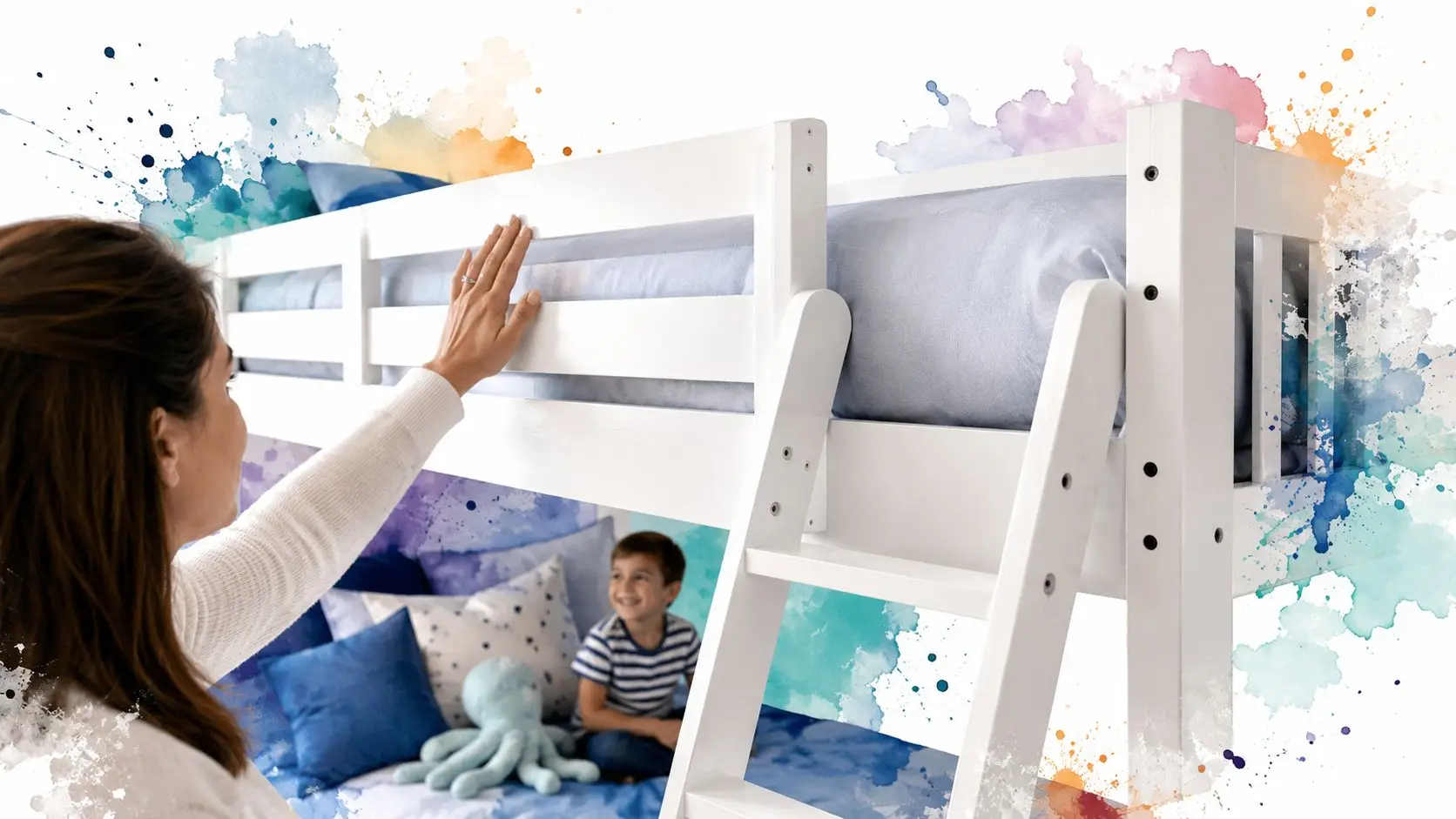
A twin over full bunk works because it solves two common bedroom problems at once. It saves floor space, and it gives different sleepers the right amount of room. That combination is why this layout often outlasts a standard twin-over-twin setup.
According to twin over full bunk bed dimensions and weight guidance, a twin over full bunk bed occupies approximately 40–45 square feet of floor area, while separate twin and full beds placed side by side require 150–170 square feet including walkways. The same source notes that the upper twin supports up to 220 lbs, while the lower full can often hold 400 lbs.
Why the layout works
That footprint difference changes how a room feels. In practical terms, stacking the beds frees up the center of the room for walking, a dresser, a desk, or open play space. In smaller bedrooms, that breathing room can matter more than any decorative detail.
The split-size design also makes sense for real family life. The upper twin gives a child or younger sleeper a space-efficient place to sleep. The lower full offers more comfort for a teen, an older sibling, or an adult guest who needs more width.
Here's where readers often get confused. A twin over full bunk isn't just “a bunk with one bigger mattress.” It's a layout decision that assigns the right bed to the right sleeper.
- For siblings of different ages, the smaller top and larger bottom usually feel fair and practical.
- For sleepovers, the bottom bunk gives more flexibility than a second twin.
- For a guest room, the full lower bed makes the room more welcoming for a teenager or adult visitor.
Who this setup serves best
This configuration often works best in homes that need furniture to adapt over time. A young child may start on the top bunk, while the lower full handles visiting family. Later, that same room may support a teenager below and a guest above.
Practical rule: Buy the bunk bed for who will use it in three to five years, not just who's using it this month.
That's also why the white twin over full bunk fits so well with a buy-it-for-life mindset. One carefully chosen frame can keep serving the room as needs change, which is often more sustainable than cycling through multiple lower-quality replacements.
For anyone shopping Furniture South San Francisco with long-term value in mind, this is the key distinction. The best bunk isn't the one that only fits the room today. It's the one that still earns its footprint later.
A Non-Negotiable Guide to Bunk Bed Safety
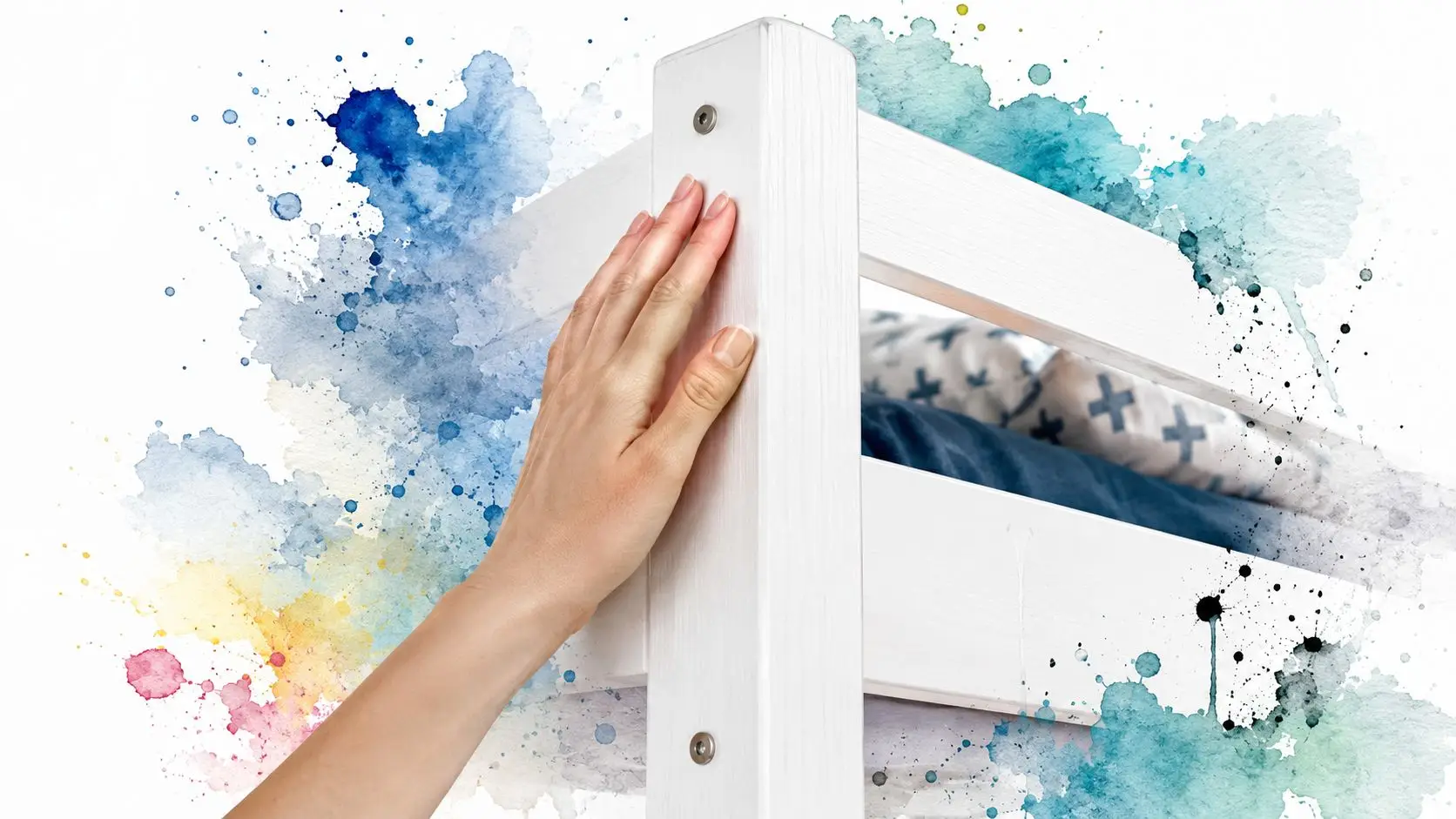
Before anyone talks about style, safety has to come first. A bunk bed asks one sleeper to rest well above the floor, so small construction details matter in a big way.
The most important requirement is the guardrail. According to bunk bed safety guidance from Nationwide Children's, top bunk guardrails must extend at least 5 inches above the mattress, and about 30.8% of bunk bed-related injuries for children under 9 involve falling from or striking the top bunk, accounting for roughly 8,400 cases annually. The same safety guidance also notes that openings in guardrails should be 3.5 inches or smaller.
The first details to inspect
Families often focus on the ladder first because it's easy to see. The better place to start is the top perimeter.
A careful buyer should inspect these points:
- Guardrail height: The rail must remain high enough above the actual mattress in use, not just above the empty frame.
- Gap spacing: Openings should stay small enough to reduce entrapment risk.
- Top bunk use: The upper bunk should match the age, size, and habits of the person sleeping there.
That mattress point gets missed all the time. A too-thick mattress can reduce the effective height of the guardrail, even if the bed itself was built correctly.
The safest bunk bed can become a less safe setup when the wrong mattress is added later.
Another point that deserves attention is room placement. The top bunk needs safe clearance from overhead fixtures, especially in rooms with low ceilings or fans. That isn't a styling issue. It's a planning issue.
Questions worth asking before delivery day
A strong shopping conversation usually includes a short list of direct questions. Families don't need technical jargon. They need clear answers.
A useful checklist includes:
- What mattress height is appropriate for the top bunk?
- Who is expected to use the upper level most often?
- Will the bed sit clear of ceiling fixtures, vents, and nearby wall features?
- Who handles setup, leveling, and final placement in the room?
Professional setup matters because assembly quality affects stability. Families who want the frame placed securely and correctly can review professional furniture installation services before delivery.
For parents, this is the central point. A bunk bed should never be judged only by finish color or sleeping capacity. Good safety comes from the combination of proper design, proper mattress choice, and proper placement in the room. If any one of those is off, the whole setup becomes less dependable.
Choosing Your Lifetime Investment Materials and Finishes
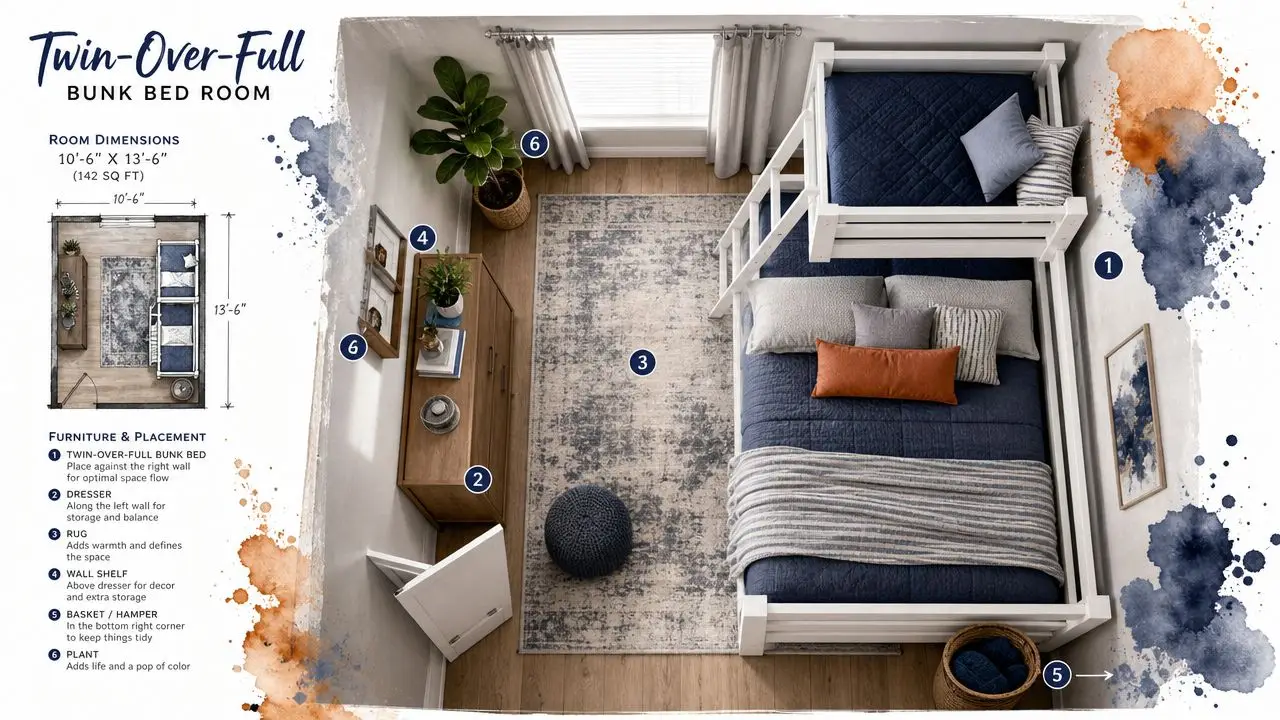
A white twin over full bunk can look similar online from one listing to the next. In person, the differences show up quickly. The frame feels different when touched. The finish looks different in daylight. The joinery and overall steadiness tell a very different story.
That's why material choice matters so much with bunk beds. This isn't just a decorative purchase. It's a piece that handles climbing, sleeping, shifting weight, ladder use, and years of repeated use by growing children and guests.
Why material quality changes everything
Lower-quality frames often make their compromises in the same places. The surface may look smooth at first, but the finish can chip more easily. The structure may feel adequate when new, but less stable over time. That's a poor trade when the goal is durability and safety.
By contrast, well-made solid wood pieces tend to reward patience. They usually feel more grounded, accept long-term use better, and align with the values behind Custom Furniture and Amish Furniture. Families who want a deeper understanding of build quality can compare solid wood vs veneer before narrowing their options.
There's also a sustainability argument here. Buying one better bunk bed that stays useful for years is often a more responsible choice than replacing a lesser piece again and again. The buy-it-for-life approach isn't only about sentiment. It can also reduce waste and protect long-term value.
What a good white finish should do
White is popular for good reason. It brightens a room, works with changing décor, and often helps a bunk bed feel less visually heavy. But not every white finish performs the same way.
A quality finish should do more than look crisp in a showroom. It should also hold up to everyday contact from hands, bedding, and repeated ladder use. Families usually want a white tone that stays clean-looking and doesn't feel fussy in normal life.
A thoughtful custom-order process helps with that. Giorgi Bros. specializes in custom order services, offering extensive options for customization in wood species, finishes, high-grade leathers, and designer fabrics to ensure every piece fits a unique vision, moving beyond what is available on the showroom floor.
For a family that wants the room to feel settled for years, customization often matters as much as the bunk layout itself.
That flexibility changes the buying experience. Instead of settling for a standard white that's only “close enough,” a family can choose a finish, wood species, and design direction that fits the home. That's especially helpful in homes where the bunk bed needs to live alongside other established bedroom pieces rather than stand apart from them.
Planning Your Room Layout and Mattress Needs
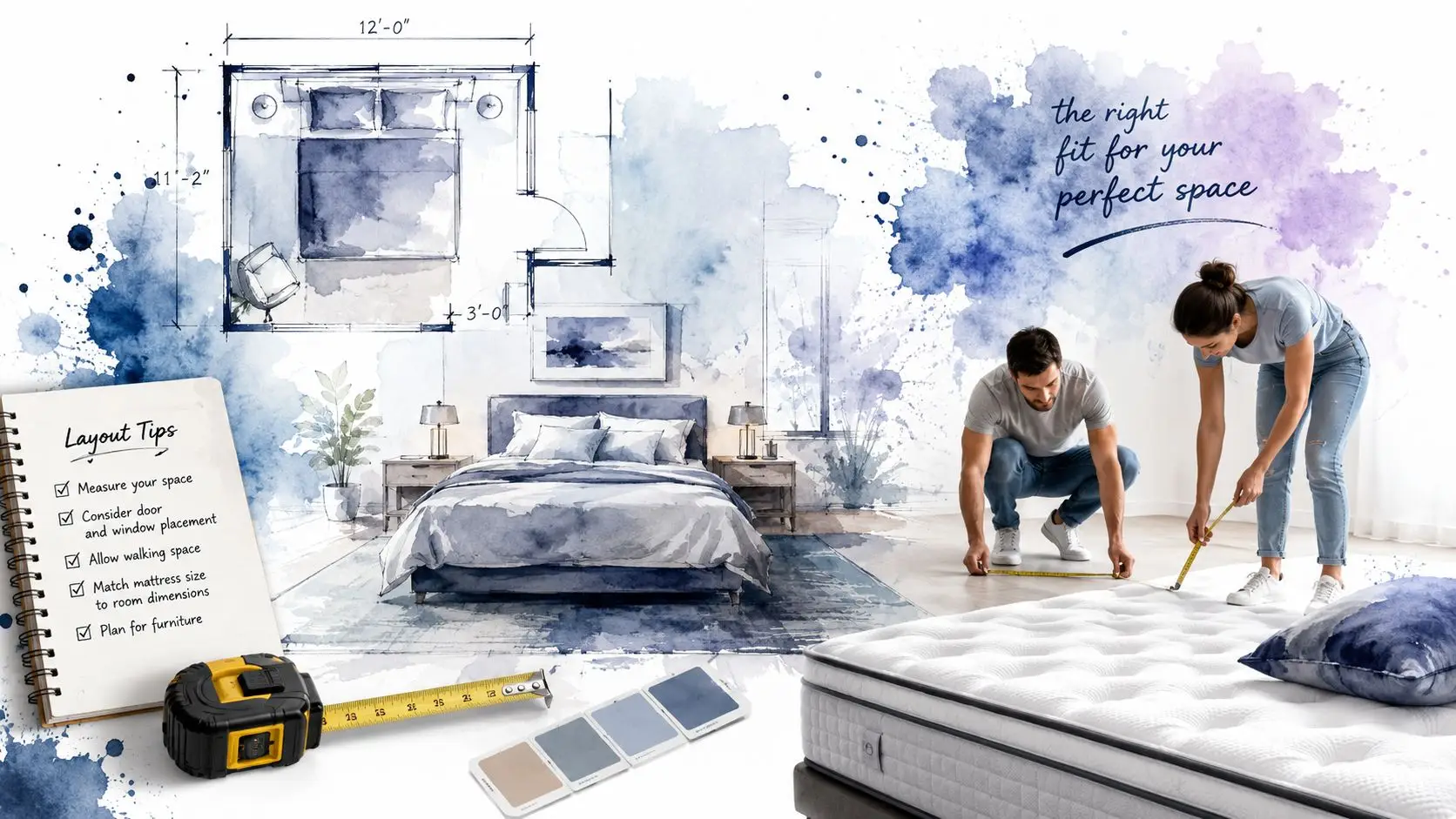
The right bunk bed can still feel wrong in the room if the planning is rushed. Practical measuring consistently beats guesswork.
According to dimensions for a classic twin over full bunk, a standard twin over full bunk is around 70.75 inches tall to fit in an 8-foot ceiling room, but it requires careful measurement to avoid striking ceiling fans. The same guidance notes that the upper bunk often accommodates a child, while the lower full can comfortably sleep an adult or teenager.
Measure the room from floor to ceiling
Many buyers measure wall width and stop there. A bunk bed requires vertical planning just as much as horizontal planning.
A simple room check should include:
- Ceiling clearance: Measure from the floor to the ceiling, then account for mattress height and sleeping space above the top bunk.
- Overhead obstacles: Check for fans, lights, vents, and any feature that may sit too close to the top sleeper.
- Door and window swing: Make sure the bunk won't block natural movement through the room.
Some older Bay Area homes add another layer to this decision. Ceiling lines, trim, vents, and room proportions can be less straightforward than they appear in photos. A white twin over full bunk may visually lighten the room, but it still needs physical breathing room around it.
One overlooked factor is comfort in the upper zone. A background note worth considering is that stacked furniture in compact rooms can reduce air circulation and create a warmer pocket near the ceiling. The practical takeaway is simple. If a room already feels stuffy, placement and airflow deserve attention before the bed is installed.
Match each mattress to the sleeper
Mattress choice isn't one-size-fits-all here. The upper twin and lower full usually serve different people, so they often need different comfort and support goals.
For buyers comparing different bed sizes, it helps to remember that the top and bottom mattresses don't just differ in width. They differ in purpose. The top often prioritizes safety and fit within the bunk frame, while the bottom can prioritize fuller comfort for an older sleeper.
A practical approach looks like this:
| Sleeper location | Main priority | Common buying mistake |
|---|---|---|
| Top twin | Safe profile and proper fit | Choosing a mattress that sits too high |
| Bottom full | Comfort and support for longer use | Treating it like a temporary guest mattress |
The best result comes from matching each level to the person who'll use it most. A child on top may need a simpler, lower-profile mattress. A teen or adult on the bottom usually benefits from better support and comfort, especially if the room doubles as guest space.
Buying advice: The top bunk mattress should support safety first. The lower full mattress should support comfort first.
Families shopping Premium Mattresses often appreciate having guidance on both levels together, since the comfort brief is different for each bed. For more room-specific planning, this guide to choosing the best bed mattress size for your home can help narrow the options before delivery is scheduled.
The Giorgi Bros Experience No-Pressure Guidance and Full Service
Some furniture purchases are straightforward. A bunk bed usually isn't one of them. It involves sizing, room layout, sleeper needs, finish choices, safety questions, and the logistics of getting a large piece into the right room correctly.
That's where service changes the experience. Since 1933, Giorgi Bros. Furniture has operated as a family-owned business in South San Francisco, employing non-commission design consultants to provide a stress-free experience with “best price first” transparency. That kind of model matters when a family wants guidance instead of pressure.
Why guidance matters with a bunk bed purchase
A white twin over full bunk isn't just selected by color. It has to suit the room, the ceiling, the sleepers, and the long-term plan for the home. A helpful consultant asks better questions, which usually leads to a better result.
That no-pressure approach is especially important for buyers interested in Furniture South San Francisco, Bay Area Interior Design, and long-term Custom Furniture decisions. Families often need time to compare finishes, think about future use, and weigh whether a bunk bed should coordinate with existing bedroom pieces.
This is also where Non-Commission Sales Staff becomes more than a talking point. When the conversation isn't driven by pressure, families can focus on durability, comfort, and what makes sense for the home.
What full service looks like in practice
A full-service experience should feel organized from start to finish. That includes guidance in the showroom, help with customization, mattress pairing, and support through delivery and setup.
The setting matters, too. Giorgi Bros. operates a 50,000-square-foot full-service showroom in South San Francisco serving the Greater Bay Area and Western United States, with a broad selection across bedroom, living, dining, office, and sleep categories. That gives shoppers the chance to compare styles, finishes, and investment pieces in person rather than relying on screen images alone.
Families looking for extra planning support can also explore furniture stores with free design services. For many homes, that kind of guidance helps turn a good furniture choice into a room that works better every day.
Financing can matter too, especially when a family is choosing better materials and planning for long-term use. Financing options are available, which can make it easier to invest in quality now rather than settling for a short-term substitute.
Invest in a Solution That Grows With Your Family
A white twin over full bunk earns its value when it solves the room today and still makes sense later. It saves space, handles different kinds of sleepers, and can create a bedroom that feels more open and more useful.
The best choices come from looking past the surface. Safety details matter. Material quality matters. Room planning matters. So does the finish, especially when the goal is to create a piece that feels at home for years instead of just getting by for now.
For families who care about sustainability, craftsmanship, and long-term savings, this kind of bunk bed often fits a larger mindset. Buy better once. Choose a design that can adapt. Treat furniture as part of the home's long-term function, not as a disposable stopgap.
A well-made bunk bed won't just fill a corner. It can become one of those quiet, dependable pieces that supports family life year after year.
For families ready to compare finishes, explore Custom Furniture, test Premium Mattresses, and get thoughtful help from Non-Commission Sales Staff, Giorgi Bros. Furniture offers a warm, full-service showroom experience in South San Francisco. Visitors can explore 50,000 square feet of inspiration, speak with Design Experts, and book a Design Consultation for no-pressure guidance on a white twin over full bunk or any other investment piece for the home.