
A lot of people shop for a dining table by looking at the top first. They notice the wood grain, the edge profile, the finish color, and how many people it can seat. Then, almost as an afterthought, they glance at the base.
That's usually backward.
If your table is where birthdays happen, where kids spread out homework, where friends stay longer than planned, and where holiday meals turn into late conversations, the legs matter as much as the top. They carry the weight, set the stance, control the legroom, and often decide whether a table still feels solid years from now.
A well-made table doesn't just look right on delivery day. It keeps working through daily use, rearranged chairs, heavy serving pieces, and changing tastes. That's why dining room table legs deserve more attention than they usually get.
The Foundation of Your Dining Room
Most families know the feeling. You sit down for dinner, someone leans an elbow on the edge, a child climbs into a chair, serving dishes land in the middle, and the whole table has to feel steady without a second thought.
That confidence starts below the top.

Dining room table legs are the part people notice late, but they live with them every day. If the legs are undersized, poorly placed, or mismatched to the top, the table can feel awkward even when the style is attractive. If the proportions are right, the whole piece feels settled and dependable.
Why the base changes the whole experience
A dining table leg does three jobs at once. It supports the top structurally. It shapes the visual style of the room. It also controls how chairs move in and out, which affects comfort more than many homeowners expect.
That's one reason a buy-it-for-life mindset makes sense here. Trends come and go, but stability, repairability, and comfort don't go out of style. Families who take the time to choose well usually end up with a piece that works through remodels, growing households, and changing chair styles.
Practical rule: If a table looks beautiful but feels cramped, shaky, or awkward to sit around, the leg design is usually part of the problem.
The history of dining supports that idea. Furniture evolved as the way people gathered evolved. Today's buyers still face the same core question in a modern form. Do you want a table that only photographs well, or one that earns its place year after year?
Buy for life starts at the bottom
In a family business that has helped Bay Area households since 1933, one lesson stays consistent. The strongest investment pieces are rarely the loudest ones on the floor. They're the pieces built with quiet discipline. Good materials. Good joinery. Good proportions. No shortcuts where the eye doesn't linger.
If you're planning a full room, furnishing a dining room thoughtfully starts with treating the base as part of the design, not just the support hidden underneath it.
Exploring Leg Styles from Classic to Contemporary
Style matters. But with dining room table legs, style also changes how the table functions, how open the room feels, and how easy it is to use every seat.
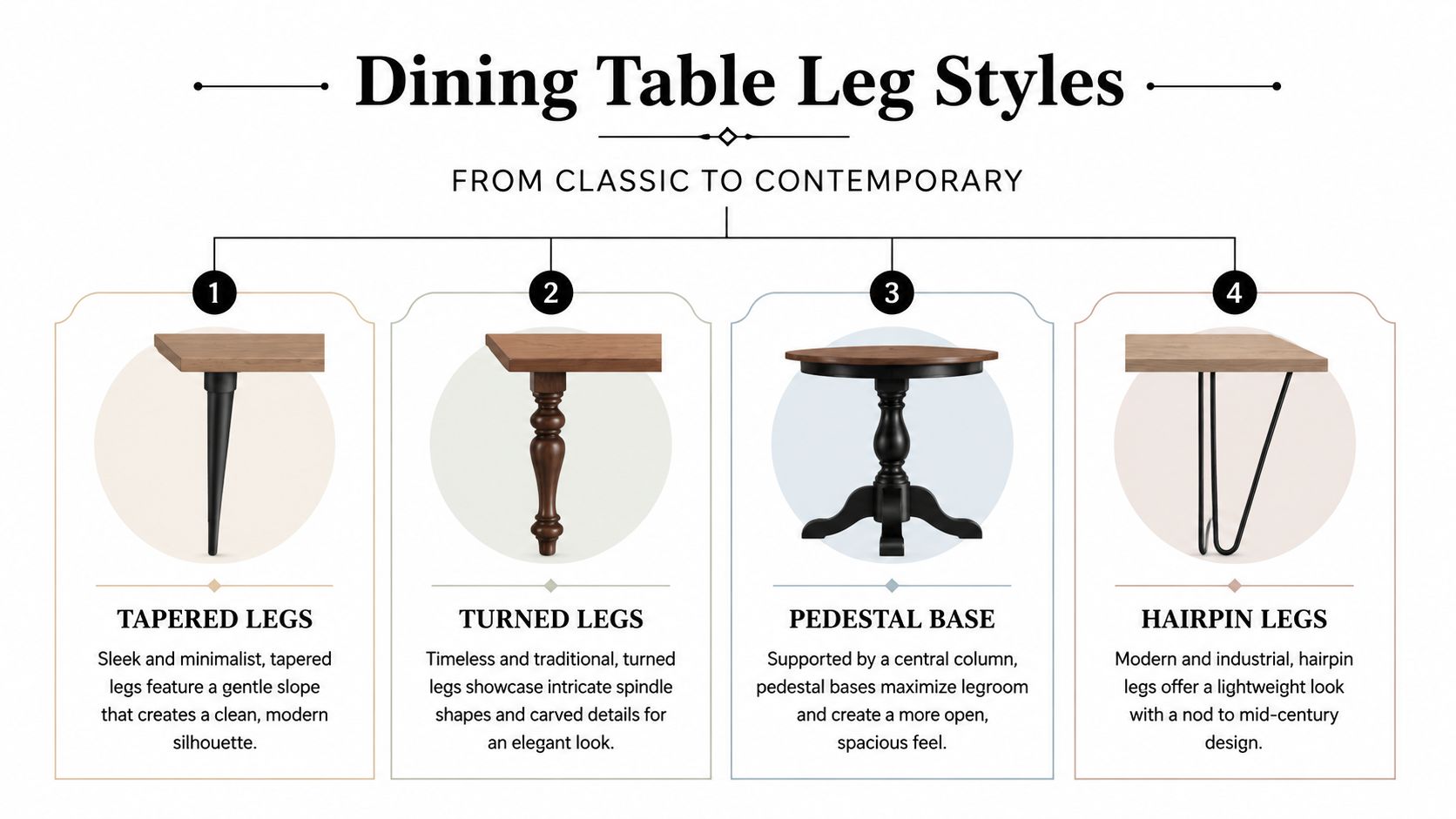
Turned, tapered, pedestal, and trestle
Some leg styles have lasted because they solve familiar problems well.
Turned legs bring decoration and tradition. According to Fine Woodworking's short history of tables, dining table leg design changed significantly during the 16th century, and the Tudor period introduced large, bulbous turnings that became one of the era's most recognizable features and influenced furniture makers for over 400 years. If you want warmth, craft detail, and a table that feels rooted in furniture history, turned legs still do that beautifully.
Tapered legs feel lighter. They suit cleaner interiors and often work well in homes that mix old and new pieces rather than leaning fully traditional or fully modern.
Pedestal bases free up chair placement. On round and some rectangular tables, they can make seating feel more flexible because there are fewer corners and outer legs to work around.
Trestle bases offer presence and strength. They often look best in larger rooms or on longer tables where a more architectural base feels intentional rather than heavy.
Matching style to the room
A simple way to narrow the field is to think in room language, not catalog language.
- Traditional rooms often benefit from turned legs, carved details, or substantial pedestals.
- Mid-century inspired spaces usually pair well with tapered wood legs and cleaner silhouettes.
- Farmhouse and rustic interiors can carry chunkier legs, trestles, or lightly angled forms.
- Industrial or mixed-material rooms often work with metal bases, simpler geometry, and a leaner profile.
If your home blends styles, that doesn't create a problem. It often creates the best results. A calm tabletop with a more expressive base can feel balanced. So can a dramatic top with a quieter leg design. For homeowners exploring a broader visual direction, these contemporary furniture styles can help clarify what belongs together.
A dining table should look settled in the room. If the legs fight the chairs, the rug, and the architecture, the piece won't feel right no matter how good the finish is.
The overlooked question of angled legs
Angled legs are popular because they add motion and visual lift. They can make a heavy table look less blocky, especially in farmhouse, rustic, and mid-century-inspired rooms.
What most consumer guides miss is the engineering side. The available guidance notes that woodworking professionals often use angles between 22.5° to 25°, but homeowners rarely get a clear explanation of how angle affects stability, especially in busy family settings with children or frequent daily use, as discussed in this woodworking reference on angled legs.
That gap matters.
In practice, angled legs can work very well, but only when the table's size, top weight, joinery, and footprint all support the design. A small breakfast table and a long dining table don't ask the same thing from the base. At this point, aesthetics alone stop being enough. If you want a forever piece, choose angled legs because they're properly built, not just because they photograph well.
Choosing Your Material and Finish
After you determine the general leg style you prefer, material becomes the next critical decision. Dining room table legs shift at this stage from a design choice to a performance choice.
Wood and metal both have their place. The right answer depends on the table size, the top material, the room style, and how hard the piece will be used.
Wood legs and what they bring
Wood legs usually feel warmer and more integrated with the rest of the table. They suit classic dining rooms, transitional spaces, and many custom pieces where the top and base should read as one complete design.
Common choices include oak, walnut, and maple, each with its own character. Oak tends to read grounded and durable. Walnut brings richness and a darker visual depth. Maple often feels cleaner and more understated. In custom work, wood species and finish choice can change the mood of the same silhouette dramatically.
For homeowners who value long-term craftsmanship, solid wood bases often age gracefully because small wear marks tend to read as use, not failure. They also offer more flexibility if you ever want to refinish rather than replace. That's one reason solid wood remains central to many investment pieces, including solid wood furniture for living rooms and dining spaces alike.
Metal legs and structural discipline
Metal can be an excellent choice, especially when the look calls for contrast or when the table needs a crisp architectural base. But not all metal legs are equal.
According to this base sizing guide for table legs, 2-inch square tubing is the minimum recommended size for most standard and medium-weight dining tables. The same guide notes that 1×3 rectangular tubing can work for smaller dining applications, but it can flex under heavier loads. That's the trade-off buyers need to understand. A slender base may look refined, but if it's undersized for the top, the table can lose the solid feel people expect from a long-term purchase.
That matters even more with heavier tops, including thick wood slabs and stone.
| Material | Best For | Maintenance Level | Aesthetic |
|---|---|---|---|
| Wood | Traditional, transitional, heirloom-style dining tables | Moderate | Warm, classic, tailored |
| Metal | Contemporary, industrial, mixed-material tables | Low to moderate | Crisp, modern, architectural |
Finish matters as much as the core material
Finish is where looks and durability meet. On wood legs, stains can highlight grain or quiet it down. Painted finishes can sharpen the style but may show chips differently over time than a stained surface. On metal legs, powder-coated finishes generally give a cleaner, more durable look for everyday dining use than a thin decorative coating.
If you're refinishing or touching up surrounding woodwork, practical paint guidance can help you think through compatibility. This overview of the best paint for interior wood from Neasden Hardware is useful for understanding finish behavior, even if a dining table deserves a more furniture-specific approach.
The big takeaway is simple. Don't separate beauty from structure. Material and finish need to support the way the table will live in your home.
Measuring for Perfect Fit and Function
A beautiful table can still be wrong for the room if the sizing is off. With dining room table legs, most measuring mistakes happen below the tabletop, not above it.
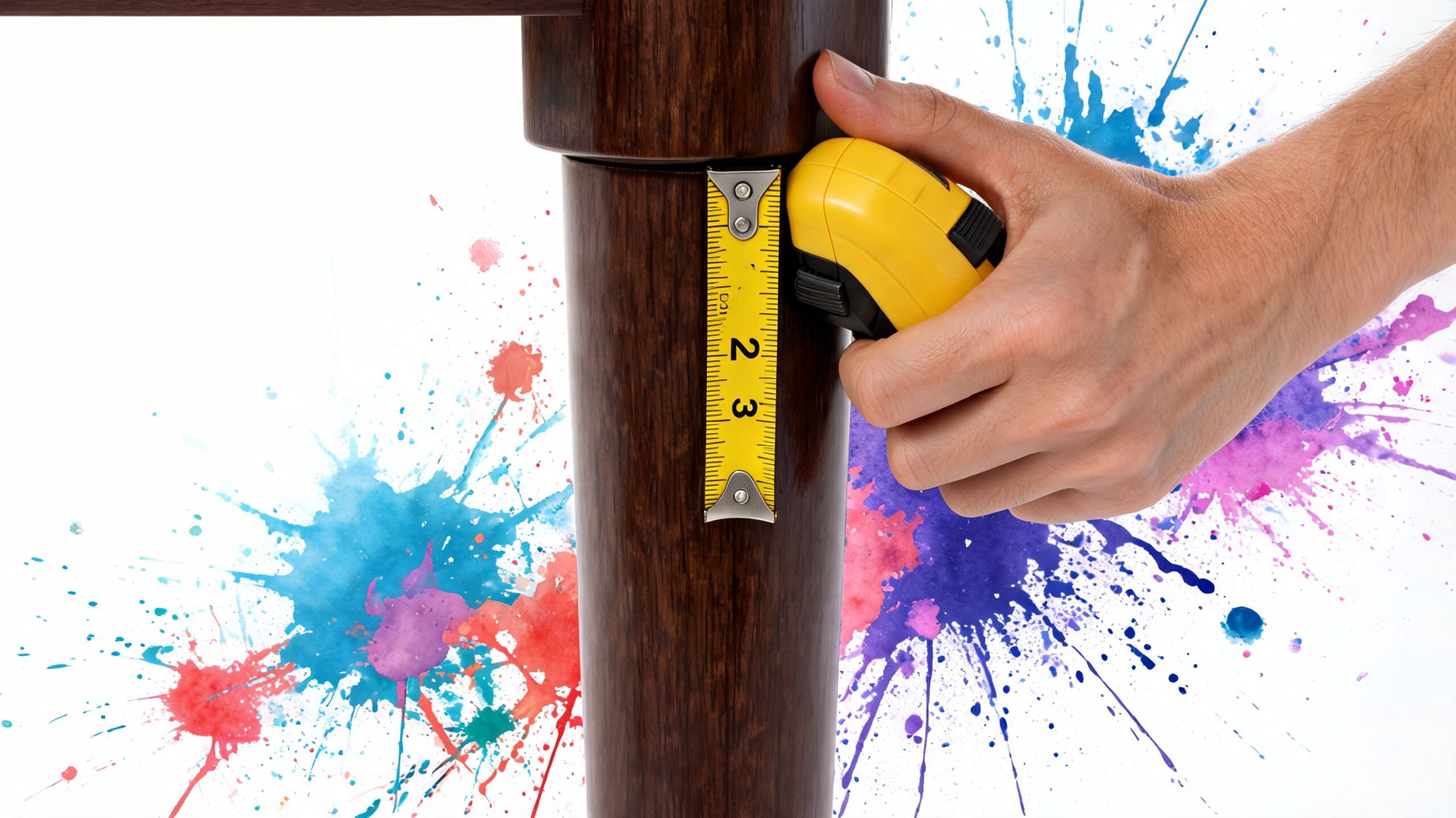
The number people usually ask for is leg height. That's useful, but it isn't the whole answer. The more important number is clearance.
According to Flowyline's sizing guide, standard dining table legs are typically 28-30 inches tall, and the clearance beneath the tabletop should be a minimum of 70 centimeters, or about 27.5 inches, so standard dining chairs and diners' laps fit comfortably.
What to measure before you order
Start with the chairs, not the table. If the chairs are already chosen, measure their seat height and pay attention to arm height if they're armchairs. Then measure from the floor to the underside of the planned tabletop, not just to the top surface.
Use this checklist:
Chair seat height
A standard dining chair often fits comfortably under a standard dining table, but only if the apron, support rails, or base design don't steal too much space.Top thickness
A thicker top changes the final sitting experience. A substantial wood slab or stone top may require different leg planning than a thinner top.Base placement
Outer corner legs, pedestals, and trestles all create different chair-clearance patterns.
If people have to angle their knees around the base or pull chairs farther back than they should, the table is sized incorrectly even if the top height looks standard.
Common fit mistakes
The most common mistake is assuming all standard heights work the same. They don't. A table with heavy underside construction can feel much lower in use than one with a cleaner apron or pedestal base.
Another mistake is focusing only on how the table fits the room rather than how people fit the table.
- Too short below the top: diners feel cramped and posture suffers.
- Too tall overall: the table feels awkward with standard chairs.
- Poor leg placement: one or more seats become the seats no one wants.
Good measuring prevents all three. It also makes custom ordering much easier because you're not guessing. You're specifying for comfort.
The Art of Customization and Style Pairing
The best dining tables rarely come from choosing one style label and following it rigidly. They come from pairing the right top, the right dining room table legs, and the right chairs so the whole set feels considered.
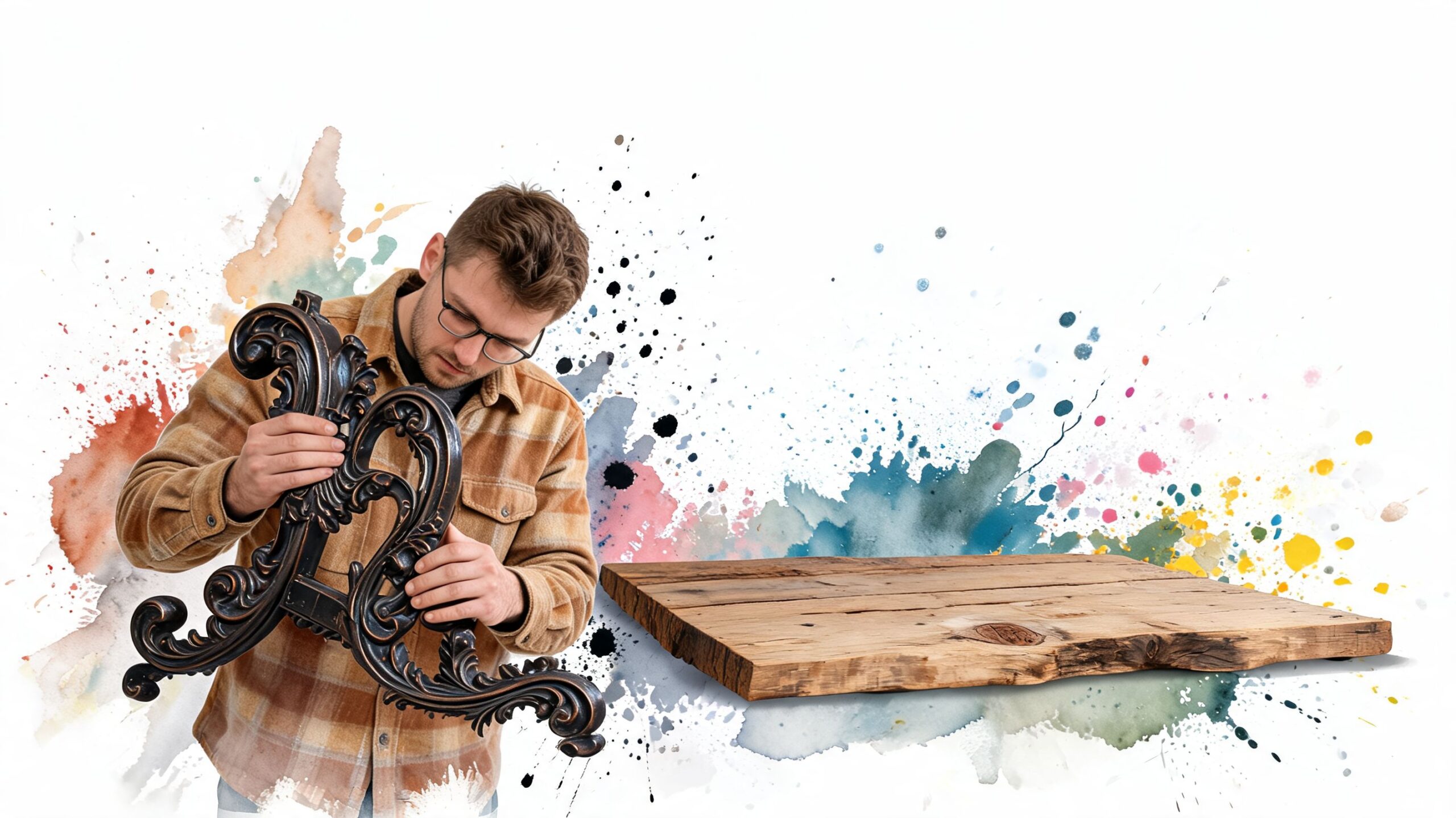
Customization matters because most homes aren't furnished from a single page in a catalog. A Bay Area home may have older architecture, newer lighting, mixed finishes, and a need for family durability all at once. Off-the-floor combinations don't always solve that well.
Pairing the base with the top
Some combinations work because they create contrast. Others work because they create continuity.
A live-edge or character-rich wood top often benefits from a cleaner base. That lets the top carry the personality while the legs keep the piece grounded. A simpler rectangular top, by contrast, can take more expressive turned legs or a more sculptural pedestal without feeling busy.
A few combinations that tend to work well:
- Rustic top with refined metal legs for a cleaner, updated look.
- Plain plank top with turned wood legs when you want more traditional character.
- Round top with pedestal base when chair flexibility matters.
- Long rectangular top with trestle base when visual weight needs to feel intentional.
Custom work solves real-life problems
Custom furniture earns its value through specialized tailoring. If the room needs a specific wood species, stain depth, sheen level, or metal finish, custom ordering gives you a better chance of making the table belong with the rest of the house instead of merely fitting inside it.
The same applies to chair pairing. Leg design changes how chairs tuck, how armchairs fit, and how open the set feels from across the room. If you're coordinating a full dining area, these modern dining room chairs are a helpful reference point for thinking about proportion and silhouette.
Good customization doesn't mean adding more detail. It means making fewer compromises.
Why engineering still belongs in the conversation
A lot of style advice stops at appearance. That's a mistake, especially with angled or tapered forms.
The available guidance shows that woodworking professionals often use angles between 22.5° and 25°, yet consumer-facing furniture content rarely explains how those choices affect stability in everyday use, particularly for households with children, as noted in this discussion of angled leg construction. That's exactly why customization should include structural thinking, not just finish samples.
In practical terms, if you love a lighter, angled look, ask whether the footprint, joinery, and top size support that choice. If they do, angled legs can be excellent. If they don't, a straighter or more substantial stance may serve you better for decades.
Installation and Long-Term Care for Lifetime Use
A strong table can still have a short life if it's assembled carelessly or maintained poorly. Dining room table legs take repeated stress from shifting weight, dragged chairs, floor movement, and everyday cleaning. That's why installation and upkeep matter.
Set it up right the first time
With a quality table, the goal is simple. Keep the base aligned, level, and properly tightened without over-stressing the fasteners or the joinery. On uneven floors, even a well-built table can feel wrong if it hasn't been adjusted correctly during setup.
For homeowners who like to understand structural support in other parts of the home, practical installation thinking carries over. This guide on choosing 12-inch shelf brackets is a good example of how support hardware changes performance. The same principle applies to table bases. A clean design still has to do real work.
Care that protects the investment
Long-term care is less about complicated routines and more about consistency.
- For wood legs: Dust with a soft cloth and avoid letting moisture sit around the foot of the leg or along joinery points.
- For metal legs: Keep finishes clean and watch for chips or scratches that expose the surface beneath.
- For all tables: Lift when moving. Don't drag by one end. That puts unnecessary stress on the base.
One overlooked area deserves more attention. Many furniture guides talk about choosing legs for a new table, but very few address replacement or upgrades for an existing one. This gap matters for homeowners who value sustainability and want to treat furniture as a long-term asset, as discussed in this overview of leg replacement and repair considerations.
That's a smart mindset.
If the top is still excellent but the legs are damaged, dated, or no longer right for the room, replacement may be worth exploring. High-quality furniture often deserves repair, refinishing, or selective updating rather than disposal. That's one of the clearest differences between throwaway furniture and an investment piece.
Your Foundation for a Lifetime of Memories
A dining table does more than fill a room. It hosts ordinary mornings, rushed weeknights, long weekends, and the people attached to all of them. The legs under that table are part of what makes those moments easy instead of frustrating.
When you choose a high-quality base, the entire furniture piece functions more effectively. It provides stability, allows chairs to fit correctly, and complements the room's aesthetic. Careful selection also offers flexibility should your style change or if you prefer to refinish, repair, or update the piece instead of replacing it. Paying attention to dining room table legs provides this lasting value.
It's also why quality furniture remains a practical form of sustainability. A table built to last keeps serving, adapts over time, and avoids the cycle of disposable buying. That's one reason custom dining pieces continue to matter. This perspective from The Knotty Lumber Co. on custom tables and connection captures that larger idea well. The right table supports both the room and the relationships around it.
If you're weighing shape, seating flexibility, or base style, it can also help to compare other formats. This guide to a circular table with leaf is a useful next step when your room needs adaptability as much as style.
The best table isn't the one that follows a short-lived trend. It's the one that still feels right years from now.
If you're looking for no-pressure help choosing investment pieces, visit Giorgi Bros. Furniture in South San Francisco. Since 1933, our family-owned showroom has helped Bay Area homeowners find furniture that's built for daily life and made to last. You can explore custom furniture options in wood species, finishes, fabrics, and leathers, work with non-commission design consultants, and see quality firsthand across our 50,000 square feet of inspiration. If you're ready to compare dining tables, Amish Furniture, Bay Area Interior Design options, Premium Mattresses, or want expert guidance from a team that believes in buying for life, visit the showroom or book a Design Consultation. Financing options are available.