A leather sofa often becomes the quiet center of a home. It holds evening conversations, weekend reading, family gatherings, and the occasional spill. Years later, the quality of its hide and frame still matter, but so does the care it receives.
The right leather sofa cleaner and conditioner can help preserve an investment piece, while the wrong product can leave discoloration, residue, or a weakened finish. The distinction matters. Cleaning removes soil. Conditioning supports clean, dry leather after cleaning. Neither step is a substitute for professional repair when the material is severely cracked, torn, or badly faded.
Preserving Your Investment A Philosophy of Leather Care
A well-made leather sofa shouldn't be treated as disposable décor. In a buy-it-for-life home, furniture earns its place through construction, comfort, repairability, and careful maintenance. Preserving the original sofa can reduce the need for premature replacement, which makes thoughtful care both financially sensible and more sustainable.
Giorgi Bros. Furniture has served South San Francisco since 1933, giving the family business more than 90 years of exposure to quality furniture, upholstery, leather, and the way materials age in real homes. That long view changes the advice. Quick fixes rarely compare with gentle, consistent care.

The category itself reflects this long-term ownership cycle. The global leather cleaners and conditioners market is estimated at about USD 1.8 billion in 2025 and projected to reach USD 3.2 billion by 2034, with furniture representing 28.6% of the market in 2025, or about USD 343 million, according to market segmentation data for leather cleaners and conditioners. Maintaining premium upholstery isn't an afterthought. It's a recognized part of furniture ownership.
Cleaning and conditioning serve different purposes
Cleaning removes dust, body oils, crumbs, and surface grime. Conditioning comes afterward, and only when the leather is clean and completely dry. Applying conditioner to dirty leather can trap grime and create a dull, sticky surface rather than protecting the hide.
Practical rule: A small amount of the right product, applied patiently, is safer than a generous coating applied in haste.
The same principle applies to automotive upholstery, although the construction and exposure differ. Readers who also maintain a vehicle may find this resource on how to care for leather car seats useful for related material-care habits. For sofas, the broader ownership philosophy is outlined in long-lasting furniture guidance, where durability and maintenance belong in the same conversation.
First Things First Identifying Your Leather Type
Before selecting a leather sofa cleaner and conditioner, identify the leather. This step isn't optional because a product that works on protected leather may stain or darken an absorbent hide.
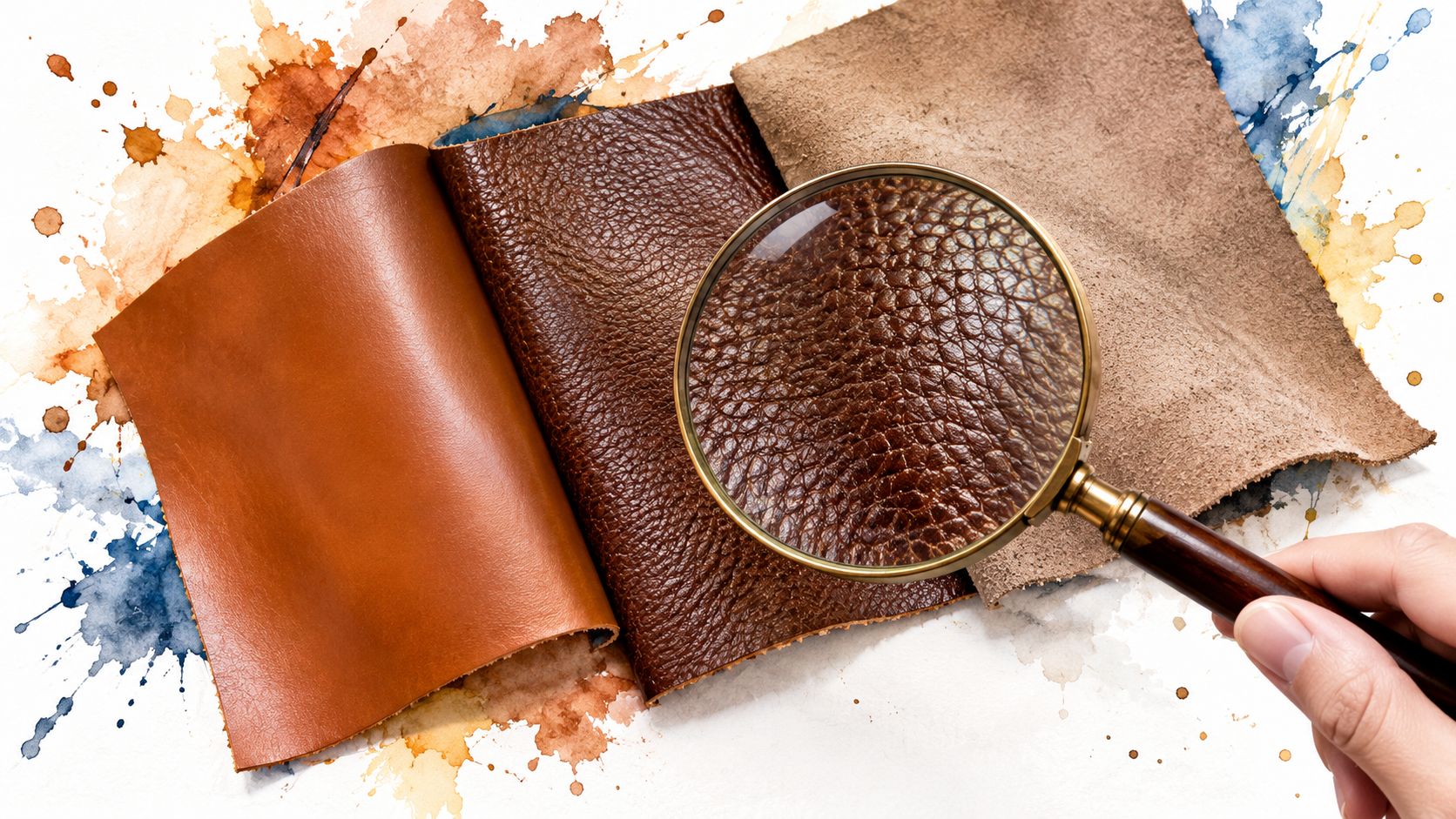
Most sofas fall into a few practical categories:
- Protected or pigmented leather: A surface coating provides color and some resistance to moisture. The finish often looks consistent and feels less absorbent.
- Semi-aniline leather: A light protective finish offers some added resistance while preserving more of the natural grain and variation.
- Aniline or naked leather: The surface remains highly absorbent, allowing the hide's natural markings and softness to show. Moisture can darken it quickly.
- Bonded or synthetic leather: This is a manufactured surface and shouldn't automatically receive products intended for genuine upholstery leather.
A water-drop test can offer a useful clue, but it must be performed discreetly. Place a tiny drop on an unseen area, such as beneath a cushion or behind the sofa. If the drop remains on the surface, the leather may have a protective finish. If it absorbs quickly and darkens the area, the leather may be absorbent.
Why the finish changes the method
Finished leather generally tolerates carefully selected leather products better than unfinished leather. Aniline, nubuck, suede, and similarly absorbent materials need products specifically designed for them. Applying a rich conditioner intended for a sealed surface can produce uneven darkening or texture changes on a naked hide.
Material-specific leather-care guidance reinforces this distinction. The safest choice is always the manufacturer's care information, especially when the sofa is newly purchased or the leather grade isn't clear.
For a deeper explanation of upholstery categories, the leather grades guide can help connect appearance, finish, and maintenance needs. If the test result remains uncertain, stop before applying product. A furniture consultant or upholstery professional can often identify the finish from the grain, sheen, hand, and construction.
The Gentle Cleaning Process for Your Sofa
Leather responds better to a quiet, controlled process than to vigorous scrubbing. The aim is to lift soil without saturating the hide, forcing moisture into seams, or disturbing the finish.
Prepare the surface first
Remove cushions when the design allows it. Use a vacuum with a soft brush attachment around seams, folds, creases, and the space beneath cushions. Dry dusting matters because wetting loose grit can turn harmless particles into an abrasive paste.
Gather separate soft cloths, a clean towel, and a neutral-pH leather cleaner suitable for the identified leather type. If a commercial product doesn't clearly state its intended material, don't assume it belongs on the sofa.
Test before treating the visible area
Apply a small amount of cleaner to a hidden patch. Work it gently in circular motions with a soft cloth, then allow the area to dry completely. Check for changes in color, sheen, texture, or stickiness before proceeding, as emphasized in The Leather Institute's care and cleaning guide.
Test first, every time: A product that behaved well on another sofa may react differently to this hide, finish, or color.
Clean in small sections
- Use the cloth, not the sofa, as the applicator. Lightly dampen the cloth with the cleaner. Never spray or pour product directly onto the leather.
- Work on one manageable area. Armrests and the front edge of a seat often collect more contact grime. Use gentle circular movements without pressing hard.
- Keep seams dry. Moisture can travel into stitching, cushion edges, and concealed layers. The cloth should be damp, never wet.
- Remove residue. Wipe the cleaned area with a separate clean, lightly damp cloth if the product requires removal.
- Dry immediately. Finish with a soft towel and allow the surface to dry naturally away from direct heat and sunlight.
Readers looking for a related automotive reference may also review these best ways to clean car leather, particularly the emphasis on gentle cloth application. For a sofa with broad soiling, uncertain material, or delicate upholstery, professional upholstery cleaning services can reduce the risk of an ambitious home treatment going wrong.
The Art of Conditioning To Nourish and Protect
Conditioning isn't another name for cleaning. It's a maintenance step for leather that is already clean and fully dry. The product supports flexibility and helps the surface resist the dry, neglected feel that can precede more serious deterioration.
Historical leather care used materials such as animal fats, fish oils, plant oils, tallow, lard, lanolin, and waxes. Dubbin, a wax-based treatment, has been used since medieval times to soften leather and improve water resistance. Modern proprietary products are more standardized, but the preservation principle remains familiar, careful nourishment rather than saturation, as described in the history of leather conditioner.
Apply less than seems necessary
Follow the product label and begin with a very small amount. Technical care guidance recommends a rice-grain amount spread in a thin, even layer, with absorption allowed for 10 to 20 minutes before buffing, according to this leather-care guide.
The important point isn't the measuring comparison. It's restraint. Place the conditioner on a soft cloth, distribute it across a small section, and add only enough to leave an even film. Don't pour conditioner onto the leather or concentrate it on one dry-looking patch.
Let the leather tell you when to stop
After absorption, buff lightly with a clean cloth. The finish should feel supple and even, not greasy or tacky. Excess product can attract dirt, collect in grain, and make high-contact areas look dull.
Professional guidance also warns that applying conditioner over soil can trap grime and potentially harm the material, as explained in consumer guidance on the difficulty of home leather care. Conditioning won't reverse deep cracking, restore missing finish, or repair structural damage. For color concerns, restoration, or severe wear, a specialist may recommend repair or refinishing. A resource on dyeing leather furniture can help explain why color restoration requires a different process from routine conditioning.
Creating a Sustainable Leather Care Routine
A sofa doesn't need constant treatment. It needs the right treatment at a sensible cadence. Over-cleaning and over-conditioning can create their own problems, while neglect allows soil, sunlight, and dry air to take a gradual toll.
Match the routine to the room
Daily life provides the most useful guide. A sofa used heavily by a household needs closer observation than one placed in a formal room. Direct sunlight, dry indoor air, and demanding weather can also change how often the leather deserves attention.
For finished leather furniture, one professional schedule recommends cleaning every 2 to 3 months and conditioning 2 to 3 times per year. Pieces exposed to direct sunlight or heavy use may need attention approximately every 3 to 4 months, according to finished-leather furniture maintenance guidance.
A practical routine looks like this:
- Light dust removal: Do it whenever visible dust or crumbs appear, paying attention to seams.
- Gentle surface cleaning: Use the material-appropriate method when contact areas look dull or soiled.
- Conditioning: Schedule it after cleaning and complete drying, not only because the calendar says so.
- Inspection: Look for changes in color, stiffness, peeling, loose stitching, or a persistent tacky feel.
Choose consistency over intensity
For most leather items, conditioning every 6 to 12 months is a common rule of thumb, with more frequent care considered for dry climates, sunlight, or heavy use, according to leather conditioning guidance. That range isn't a command to apply more product. It's a reminder to observe the environment and the hide.
A small maintenance habit protects the value of the frame, cushions, and upholstery together. That supports the buy-it-for-life approach, where quality furniture stays useful because its owner maintains it instead of replacing it at the first sign of surface wear.
Common Leather Care Mistakes to Avoid
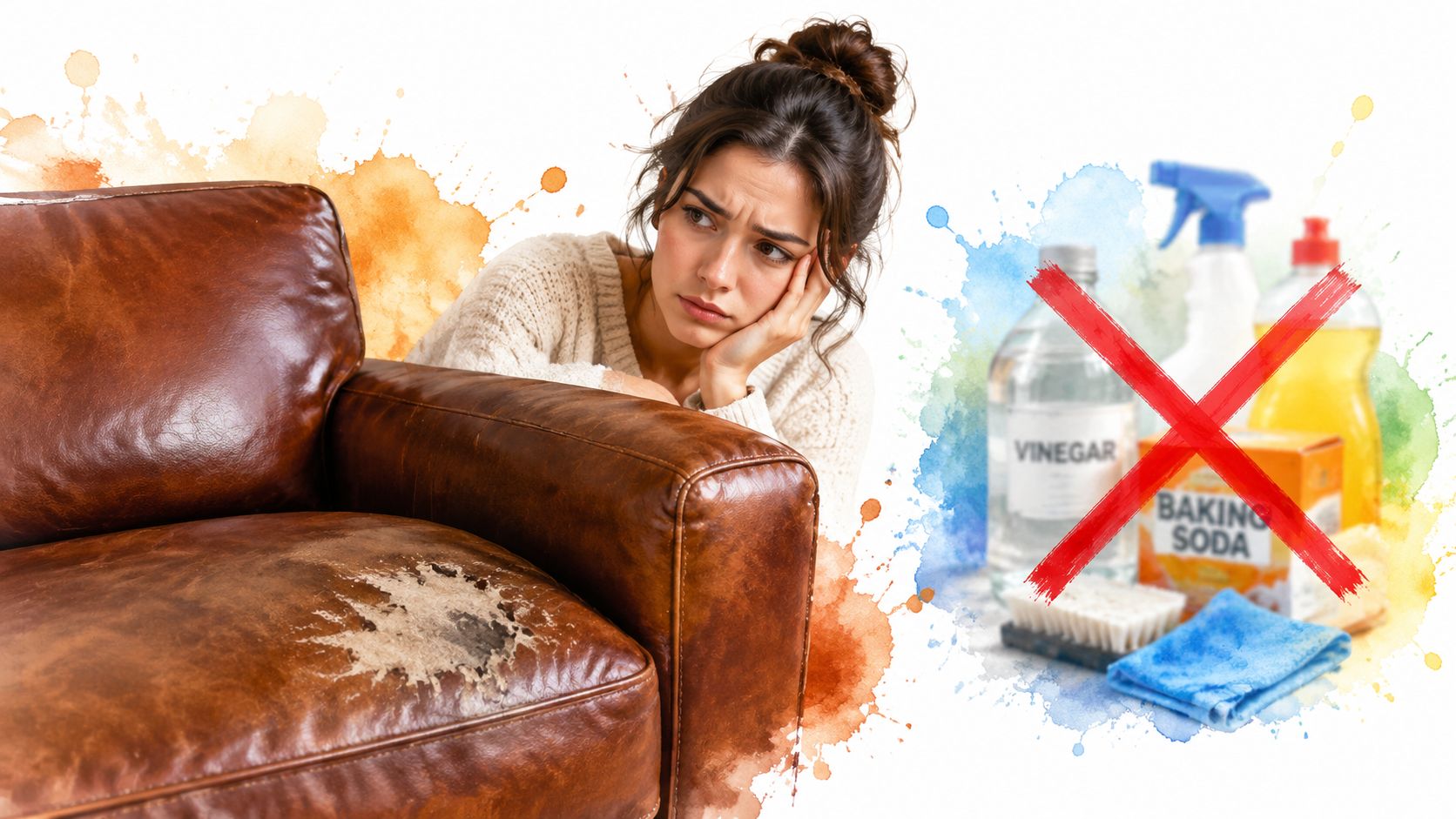
Leather care myths often sound harmless because they involve familiar household products. Familiar doesn't mean suitable. Leather has a finish, a grain, and a response to moisture that household surfaces don't share.
What not to do
- Don't reach for bleach-based wipes or harsh chemicals. They can disturb the finish and alter color. Use a leather-specific, material-appropriate cleaner instead.
- Don't scrub a dark mark aggressively. Friction can create a lighter or shinier patch. Test first, then dab or work gently in small circles.
- Don't skip dry dusting. Grit left on the surface can abrade leather during wiping. Remove loose particles before introducing moisture.
- Don't apply product directly to the hide. A cloth gives better control and reduces the chance of a concentrated spot.
- Don't soak seams or cushion edges. Moisture can migrate into areas that dry slowly. Keep the application light and controlled.
- Don't condition dirty leather. Conditioner can bind with grime and leave residue. Clean, dry, and then apply a restrained amount.
- Don't assume every leather product suits every leather type. Absorbent aniline and similar finishes may need specialized care rather than a general-purpose formula.
- Don't treat cracking as a reason to keep adding conditioner. Over-conditioning can weaken structure and attract dirt. Stop when the surface feels even and consult a professional for deeper damage.
Pet owners also need to consider the source of repeated contact. Protecting the sofa's vulnerable corners and redirecting scratching behavior is more effective than repeatedly repairing the same area, and this guide on how to stop cats scratching leather furniture addresses that separate household challenge.
Giorgi Bros. Furniture offers no-pressure guidance through non-commission Design Consultants and Design Experts. The team can also discuss custom order services across fabrics, leathers, wood species, and finishes, helping homeowners choose an investment piece that fits both the room and the intended lifespan.
Visit Giorgi Bros. Furniture in the South San Francisco showroom to examine investment-quality leather furniture and discuss a care routine suited to the specific hide. Homeowners can also book a Design Consultation for personalized guidance on custom furniture, upholstery, and a buy-it-for-life furnishing plan.