A dining room often has to do two jobs at once. It has to feel polished enough for holidays, birthdays, and long Sunday dinners, but it also has to work on an ordinary Tuesday when someone is eating takeout over homework or answering a late email at the table. That's where many homeowners get stuck. They want chairs that look gracious, but they don't want a room that feels stiff.
Oval back dining room chairs tend to solve that tension beautifully. They carry a formal silhouette, yet they usually feel softer and more welcoming than sharply angular styles. The curved back reads elegant from across the room, and the upholstered seat often makes daily use much easier to live with.
For families across the Bay Area, that balance matters. In a home that's meant to last, dining furniture shouldn't be chosen for a season. It should be chosen the way earlier generations chose it. With patience, with an eye for craftsmanship, and with the understanding that a good chair earns its place year after year. Since 1933 in South San Francisco, that's the kind of no-pressure guidance a family furniture business has offered: helping people choose pieces they'll still be glad they bought long after trends have moved on.
Table of Contents
- An Elegant Invitation to the Table
- The Enduring Appeal of the Oval Back Chair
- Exploring Style Variations from Classic to Contemporary
- What to Look For in Materials and Craftsmanship
- A Practical Guide to Sizing and Styling
- Your Buying Checklist and Showroom Invitation
An Elegant Invitation to the Table
A common scene plays out the same way. A homeowner has chosen the table, painted the walls, maybe even found the rug. Then the chair decision stops everything. Straight-back chairs look too severe. Overstuffed host chairs feel too heavy. Many sets look good in a photo but don't seem right for real family life.
That's often the moment an oval back chair starts to make sense. It brings shape and grace without asking the whole room to become overly formal. A dining room can still feel relaxed, lived-in, and warm.
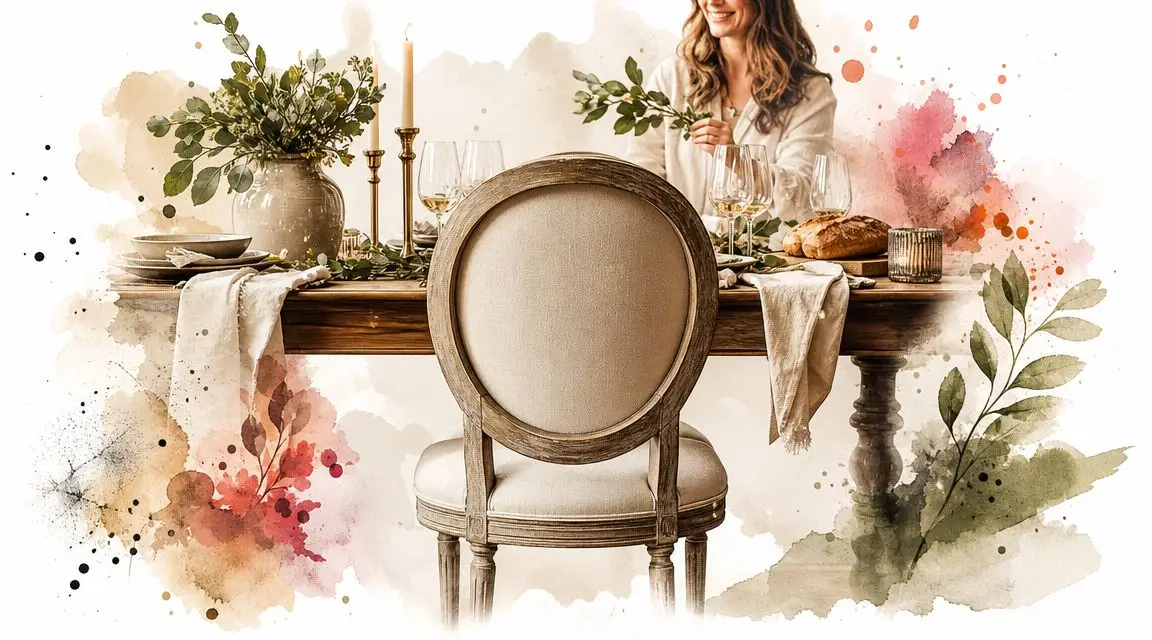
Where the shape works so well
In practice, these chairs suit many kinds of rooms. A traditional dining room gains softness from the curve. A cleaner, more current room gets a touch of polish without feeling decorated to excess. That flexibility is part of why the form keeps showing up in homes that want to feel settled rather than trendy.
Some homeowners also borrow ideas from hospitality spaces because restaurants often balance beauty with daily use. For anyone refining the mood of a dining space, this collection of restaurant design inspiration can help spark ideas about atmosphere, texture, and table setting without pushing a room into theme territory.
A good dining chair should look inviting before anyone even sits down.
A chair choice that steadies the whole room
The strongest dining rooms usually aren't built around novelty. They're built around pieces that bridge special occasions and everyday routines. Oval back dining room chairs fulfill this role discreetly. They don't shout for attention, but they often give the table the finished, welcoming look people have been trying to create all along.
Homeowners who are still pulling the room together often benefit from seeing the larger plan in motion, especially how table, chairs, storage, and lighting relate to one another. This guide on how to furnish a dining room helps place the chair decision in that wider context.
The Enduring Appeal of the Oval Back Chair
Some furniture styles stay relevant because they're easy to manufacture. Others last because the proportions are right. The oval back chair belongs in the second group.
The form is widely understood as a neoclassical design cue inspired by ancient Greek and Roman design, and the larger history behind it runs much deeper. Chairs are documented in ancient Egypt as early as around 3100 B.C., and that long design tradition helps explain why the oval silhouette still feels familiar in a formal dining room today, as noted in the history of the chair.
Why the silhouette keeps working
An oval back does something subtle that many straight chairs don't. It softens the line of the room. Rectangular tables, case pieces, rugs, and artwork already introduce plenty of angles. The rounded back relieves some of that visual rigidity.
That's why the shape often feels composed rather than fussy. It references classical furniture, but it also gives the eye a place to rest. In dining rooms with strong architecture, that can be especially helpful.
A few hallmarks tend to define the look:
- A rounded back outline that reads graceful from every angle
- A refined profile that feels lighter than bulky upholstered dining chairs
- A formal but not severe presence that works for both entertaining and daily meals
Why timeless doesn't mean old-fashioned
Readers often assume “classic” means a chair will only suit a traditional room. That's where confusion starts. A timeless form isn't tied to one decade of decorating. It means the basic shape has survived many decorating cycles because it adapts well.
The oval back chair has lasted because it offers order, comfort, and decoration in one compact form.
An oval back chair can look ceremonial in a grand room, or restrained in a simpler one. The key is how the frame, fabric, and finish are handled. That adaptability is one reason seasoned design professionals still return to the silhouette when a room needs elegance without drama.
There's also a practical side to its longevity. As household furniture became more broadly available during the Industrial Revolution, chairs moved from status objects toward everyday domestic use. The oval back sits at that meeting point between historical formality and daily life. That's a large part of its appeal. It feels refined, but it still belongs around a working family table.
Exploring Style Variations from Classic to Contemporary
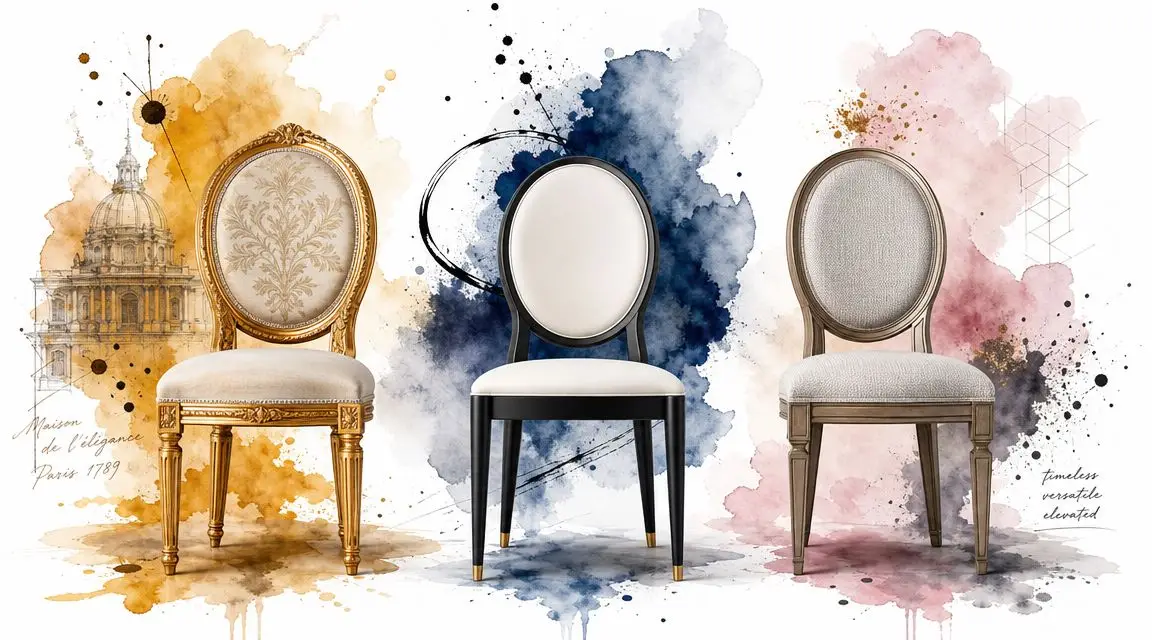
One of the biggest misconceptions about oval back dining room chairs is that they all look the same. They don't. The outline may be shared, but the personality can shift dramatically depending on the frame, finish, leg shape, and upholstery.
The style is broad enough to span vintage and sleek modern interpretations, and period influences such as Queen Anne (1702–1760) helped establish a vocabulary of curved backs, refined silhouettes, and comfort-focused seating, as described in this overview of different types of dining chairs.
How the details change the mood
A carved frame with a weathered finish gives the chair a collected, European look. A smoother frame with tighter upholstery feels cleaner and more architectural. Even two chairs with the same oval outline can land in completely different design worlds.
A simple comparison helps:
| Style direction | What it tends to include | What it feels like |
|---|---|---|
| Classic | carved wood, shaped legs, visible ornament | formal, storied, traditional |
| Transitional | restrained curves, tailored upholstery, balanced finish | warm, adaptable, composed |
| Contemporary | simplified frame, cleaner lines, minimal detailing | crisp, lighter, more modern |
A few style paths worth noticing
Traditional interpretation
These usually feature more shaping in the legs and rails. They suit rooms with antiques, patterned rugs, and richer wood finishes.Refined transitional version
This is often the most flexible choice for Bay Area homes. It respects classic form but trims away excess detail.Modernized oval back
Here the outline remains, but the frame gets leaner. Upholstery may be plain, the wood tone may be quieter, and the chair can blend into a more open interior.
For homeowners comparing options for a cleaner setting, these modern dining room chairs show how updated proportions can still feel welcoming.
Why customization matters more than most shoppers expect
A showroom conversation can be more useful than scrolling through product thumbnails. The right chair isn't just “the one on the floor.” Often, it's the one with a different fabric, another finish, a warmer wood species, or a seat treatment better suited to the household.
That's especially important with investment pieces. A family with young children may want a practical woven texture or an easy-care upholstered seat. A homeowner designing a formal room may want a richer finish and a dressier back. Someone furnishing a compact city dining area may prefer a visually lighter frame.
Good custom furniture decisions don't chase novelty. They let a proven shape fit the home more precisely.
What to Look For in Materials and Craftsmanship
A beautiful silhouette won't mean much if the chair loosens, creaks, or develops wobble after regular use. Dining chairs work hard. They're pushed, tilted, leaned on, and moved across the floor over and over again. That's why craftsmanship matters so much more here than shoppers sometimes realize.
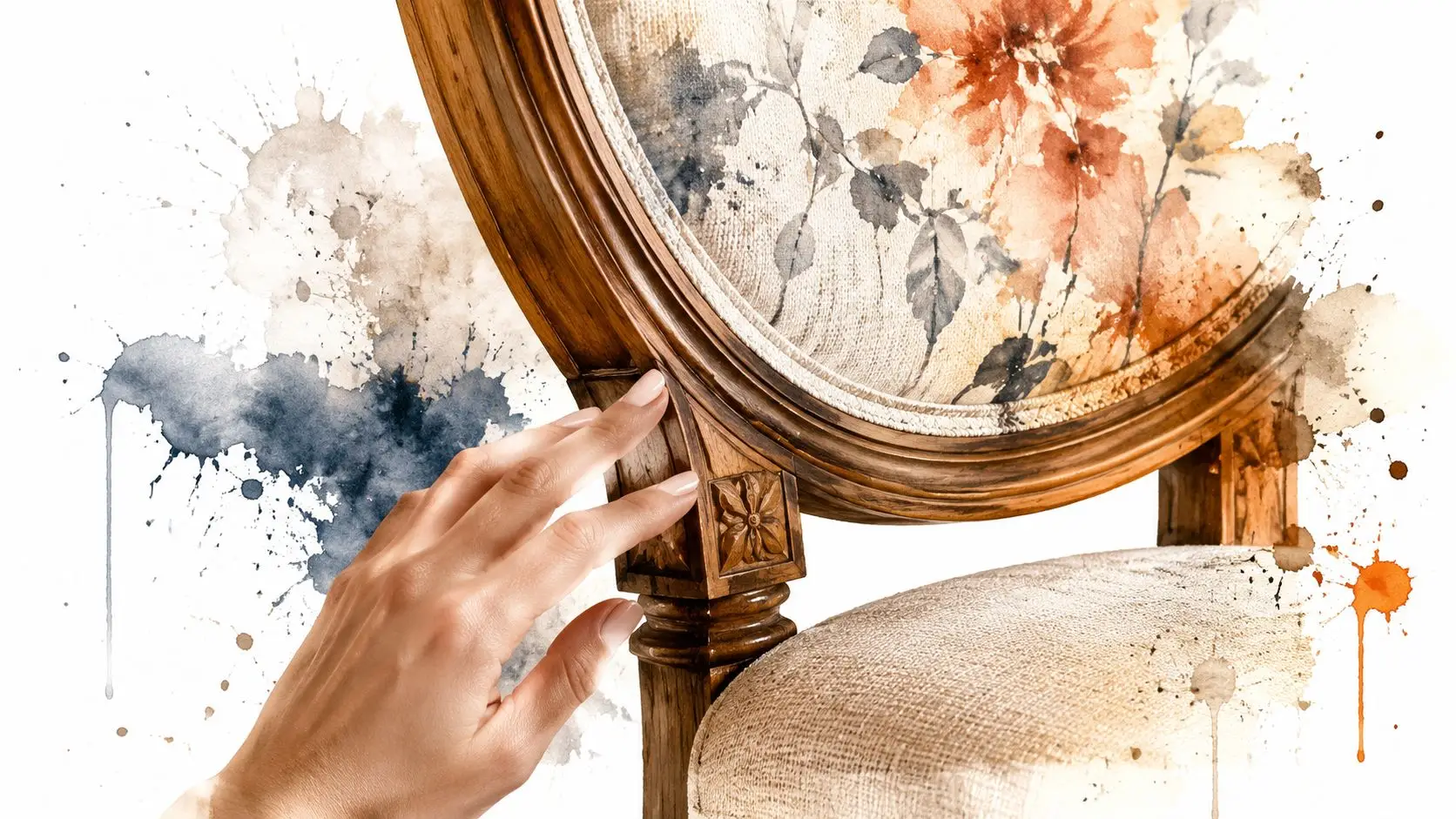
Oval back dining room chairs place special attention on the back construction because the curved form isn't only decorative. It also has to hold up structurally over time.
Why hardwood solids matter
Manufacturer specifications for premium oval-back side chairs often describe hardwood solids construction, and dense woods such as mahogany are valued because they're less brittle than soft pine while more flexible than harder oak. That flexibility can help the chair tolerate stress at the curved back joint over time, according to this product construction reference for an oval back side chair.
That point is easy to overlook, but it matters. The curved back introduces areas where strain can concentrate. A better wood choice gives the chair a better chance of aging well under daily use.
Craftsmanship check: The oval back should feel unified and rigid in the hand, not delicate or loose at the crest and side joints.
What shoppers should examine in the showroom
A chair doesn't have to be ornate to be well made. It does need honest construction. Several signs tend to separate a lasting piece from a disposable one.
Frame stability
The chair should sit flat and feel steady when weight shifts from side to side.Back integrity
The curved back should feel supportive, not flimsy. The shape needs strength as well as beauty.Seat resilience
Upholstery should recover neatly after pressure. A dining seat shouldn't collapse or wrinkle excessively after short use.
Upholstery choices that support real life
Oval back chairs are often built with an upholstered seat and sometimes an upholstered back as well. That's one reason the form can be so comfortable for meals that stretch beyond dessert. The upholstery also lets a homeowner tailor the chair to the household.
Leather offers one type of wear pattern and visual richness. Performance-minded fabrics offer another. Textured weaves can keep a room from feeling too polished. Smoother fabrics can make the shape feel more formal.
For readers weighing wood construction more broadly before selecting a chair frame, this discussion of solid wood vs. veneer is a helpful starting point.
A factual example also belongs here. Giorgi Bros. Furniture carries dining chair options in this category, including an oval side chair format, which gives shoppers a reference point when comparing construction, upholstery, and finish choices within custom furniture planning.
A Practical Guide to Sizing and Styling
A chair can be lovely and still be wrong for the room. Most disappointment with dining seating comes down to scale, not taste. The chair may be too low, too bulky, or too tight around the table.
The most useful place to start is seat height. Standard dining chair seats typically measure 18 to 20 inches high, while common seat widths run 16 to 20 inches and seat depths are usually 14 to 18 inches, based on this guide to dining chair dimensions. Those numbers matter because comfort at the table depends on how the body meets the tabletop.
The measurements that matter most
Readers often focus on overall chair height first because it's the easiest number to notice. But the seat is what determines comfort.
Here's the simpler way to consider it:
Seat height affects posture
Too high, and the sitter may feel pressure under the thighs. Too low, and dining posture becomes awkward.Seat width affects elbow room
A chair can fit visually and still feel crowded when people sit shoulder to shoulder.Seat depth affects everyday ease
Too shallow can feel perch-like. Too deep can be uncomfortable for shorter sitters.
How many chairs fit without crowding
A practical planning rule is to allow about one chair per 24 inches of table length, according to this retail spacing guideline for oval-back dining chairs. That rule helps avoid the common mistake of counting based on table length alone without thinking about bodies, arms, and movement.
For many Bay Area homes, especially open-plan spaces, this matters as much as style. A room can look furnished but still feel pinched if the chairs consume too much circulation area.
When a dining room feels crowded, the problem usually isn't the table alone. It's the relationship between table, chair footprint, and walking space.
For homeowners planning a full layout, this guide to maximizing dining space with table shapes and seating arrangements helps connect those measurements to room planning.
Styling the oval back without making the room feel formal
Oval back chairs pair naturally with rectangular and round tables because the curved outline softens both. In rooms that need openness, a lighter frame or a less visually heavy base can help preserve airiness. Some homeowners also study StableTable® base designs when thinking through leg placement and seating clearance, since table support structure affects how comfortably chairs tuck and how easily guests move around the table.
A few styling ideas tend to work well:
- Mix side chairs and end chairs when a room needs variety without losing order
- Use upholstery to bridge materials if the table wood tone differs from nearby case pieces
- Choose quieter finishes in smaller rooms so the silhouette adds elegance without visual weight
Your Buying Checklist and Showroom Invitation
By the time a homeowner narrows in on oval back dining room chairs, the decision usually isn't only about shape anymore. It's about whether the chair suits the room, the household, and the long life expected from it. That's the right way to think about dining furniture. A chair should serve the home well enough that replacing it quickly doesn't enter the conversation.
Some shoppers also gather visual ideas from staging and presentation work before making final furniture decisions. Browsing our furnishings selection can help readers notice how seating, scale, and finish choices influence a room's overall character.
A checklist worth bringing along
Style fit
Does the chair lean classic, transitional, or contemporary, and does that direction match the table and room architecture?Construction quality
Is the frame solid and stable? Does the back feel secure where the curve meets the frame?Comfort at the table
Does the upholstery, seat shape, and back support encourage people to stay comfortably through a full meal?Sizing discipline
A useful spacing rule is about one chair per 24 inches of table length, which helps maintain elbow room and avoid a crowded layout in many homes, especially where space is tight, as noted in this practical planning reference for oval-back chair spacing.Customization options
Would another fabric, leather, wood species, or finish make the chair a better long-term fit?
Why the showroom still matters
Photos can show shape. They can't show sit, balance, finish depth, or how a chair feels when someone leans back after dessert. That's why a full-service showroom remains valuable, especially for custom furniture and Bay Area interior design projects that need thoughtful coordination.
In South San Francisco, a family-owned showroom with roots going back to 1933 gives shoppers a rare advantage. They can sit in the chairs, compare materials, review custom options, and speak with Non-Commission Sales Staff and design consultants whose role is guidance, not pressure. That matters when choosing investment pieces meant to last. It also supports a more sustainable, buy-it-for-life approach to furnishing, where replacing poorly made furniture again and again becomes less likely.
Readers furnishing a larger room may also want to see how chairs relate to storage pieces and complete suites. These dining room sets with buffet options can help place the chair decision within the full room plan. Financing options are available as well, which can make thoughtful long-term purchases easier to plan.
For anyone looking for Furniture South San Francisco, thoughtful Bay Area Interior Design guidance, and well-made Custom Furniture designed to live with the household for years, Giorgi Bros. Furniture offers a clear next step. A visit to the South San Francisco showroom lets shoppers test comfort, compare craftsmanship, and explore custom fabrics, leathers, wood species, and finishes with no-pressure guidance. A Design Consultation can also help turn a good chair choice into a dining room that feels complete.