A lot of shoppers stand in front of two dressers that are nearly identical in shape, then react to them as if they were completely different pieces. One feels soft and quiet. The other feels crisp and formal. The difference usually isn't the joinery or the silhouette. It's the finish.
That's why paint finish furniture deserves more attention than it gets. For Bay Area households, the finish affects how a piece looks in morning fog, afternoon sun, and lamplight. It affects how often fingerprints show up, how easily spills wipe away, and whether a dining piece still feels current years from now. Since 1933 in South San Francisco, families have made better long-term choices when they treat finish as part style decision, part performance decision.
What Paint Finish Really Means for Furniture
A painted finish isn't just color sitting on top of wood. It's a protective film system that bonds to the surface and changes how the piece handles light, touch, moisture, and daily use. Conservation guidance notes that painted and otherwise coated furniture has deep roots. By the late colonial and federal periods, nearly every furniture shop used some protective surface treatment, and painted furniture was already very popular in the 18th and early 19th centuries, according to historical furniture finishing notes.
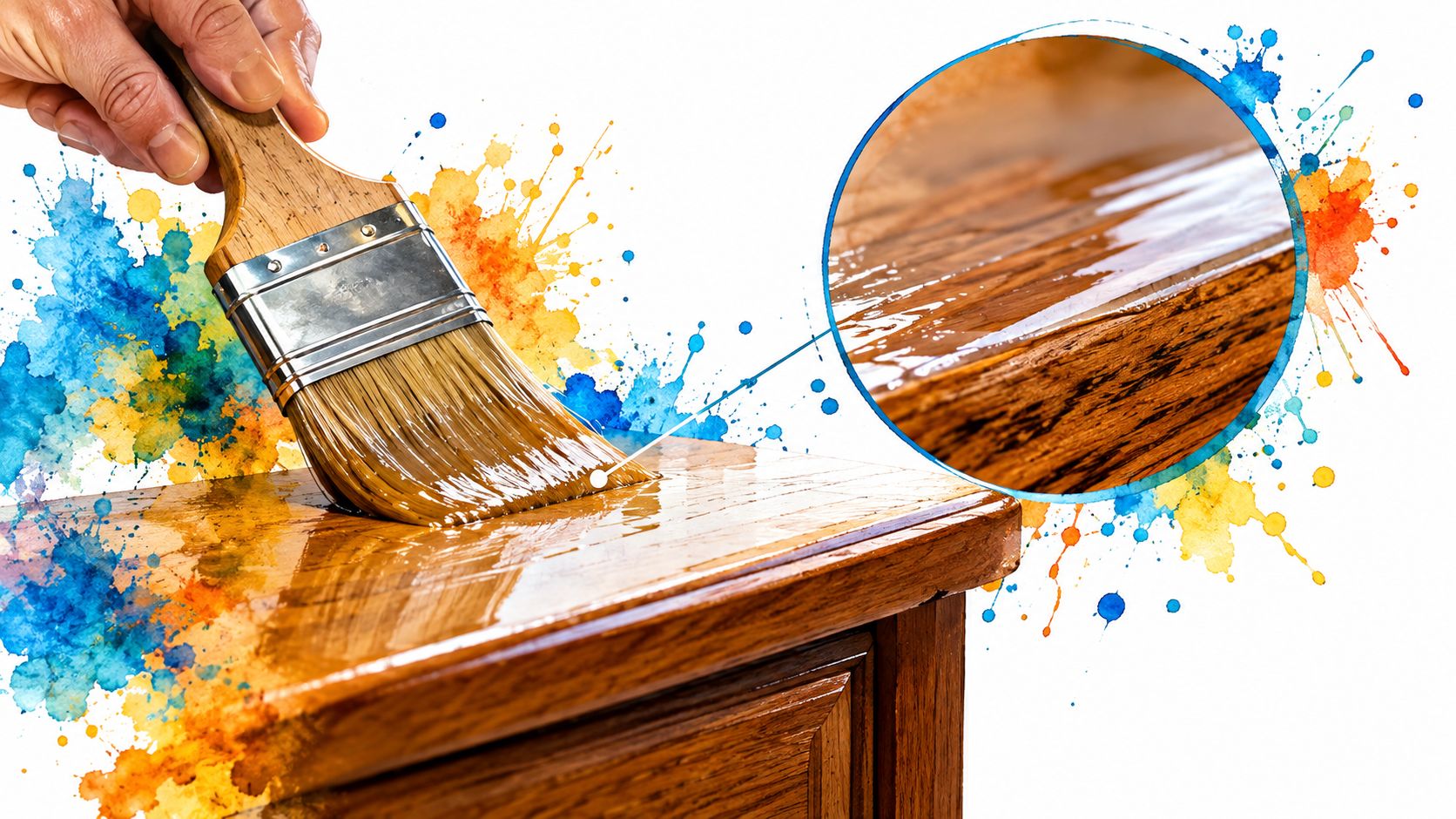
Paint works differently from stain and oil
Stain sinks in and colors the wood while letting grain remain visible. Oil and wax tend to keep a more natural feel. Paint is different because it creates an opaque layer. It can hide uneven grain, soften a busy wood pattern, and make a traditional form look cleaner and more refined.
A simple way to think about it is this:
- Stain acts more like a tint
- Oil acts more like a nourisher
- Paint acts more like a jacket
- Topcoats act like weather protection
That “jacket” can be a smart choice in active homes, but it also changes the personality of the wood underneath.
Paint finish furniture isn't just about what color a piece becomes. It's about what kind of life that piece can handle.
Sheen changes both mood and function
Two painted nightstands in the same color can still look completely different if one is matte and the other is semi-gloss. Matte absorbs light and looks calm. Higher sheen reflects light and reads sharper, brighter, and easier to wipe down. That's why finish selection often matters as much as the paint color itself.
For shoppers sorting through finish choices, Tony Painting's finish selection advice gives a useful plain-language overview of how sheen affects real rooms. Households that also care about air quality often compare finish chemistry alongside sheen, especially when looking at low-VOC furniture options.
Understanding Paint Sheens From Matte to Gloss
Sheen is how much light a painted surface reflects. The more reflection, the shinier the finish tends to look. On furniture, that changes more than appearance. It also changes how texture reads, how fingerprints show, and how easy the piece feels to maintain.
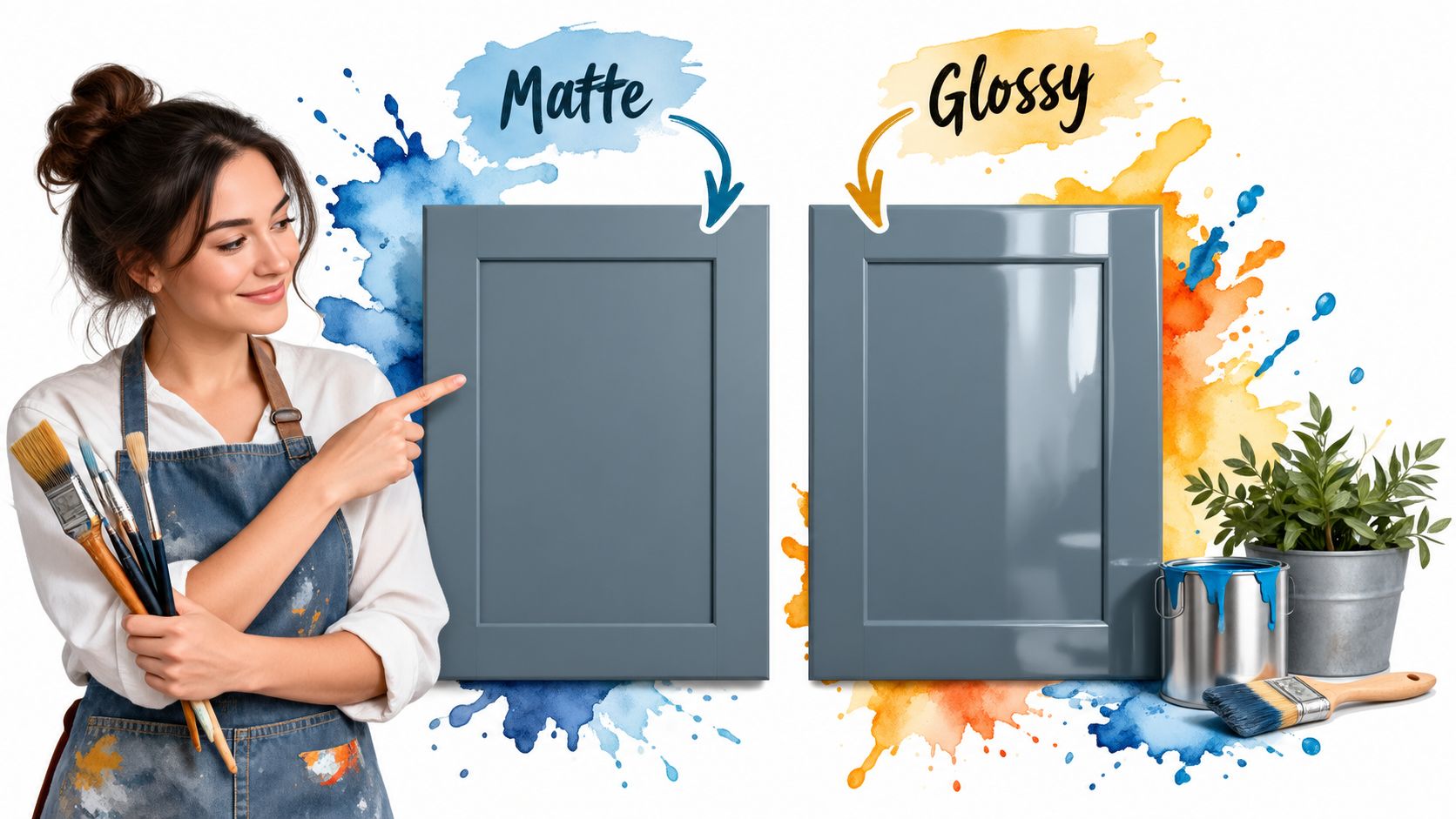
Sheen is the visible level of light reflection in a finish film, from almost none at matte to strong reflection at gloss.
Matte and eggshell
Matte has very little shine. It feels relaxed and often does a nice job hiding small visual imperfections. On a bedroom chest or accent cabinet, matte can make a color look rich without feeling flashy. The tradeoff is that low-sheen surfaces usually don't feel as wipe-friendly on high-touch pieces.
Eggshell adds a small lift in reflection. It still looks soft, but it doesn't go flat in dim corners the way some matte finishes can. Many homeowners like eggshell when they want painted furniture that feels gentle and well-considered rather than slick.
Satin in the middle
Satin is often the easiest middle ground. It has enough light bounce to feel finished, but not so much that every nick or brushstroke gets spotlighted. On sideboards, dining chairs, and family-room storage pieces, satin often balances livability and style well.
A good rule is to watch how a piece sits in the room. Near a window, satin can look brighter than expected. In a darker corner, it can keep a painted surface from looking dull.
Semi-gloss and gloss
Semi-gloss looks cleaner and more defined. It usually makes edges read sharper, and it's often a practical fit for pieces that get frequent contact, such as children's furniture, kitchen-adjacent storage, or busy entryway benches.
Gloss is the most reflective of the common options. It can look polished and dramatic, especially on modern forms or statement colors. It also reveals more surface character. If the wood or prep work underneath isn't smooth, gloss won't hide it.
For a quick outside perspective on how sheen shifts the look and feel of painted surfaces, Painters North Shore sheen advice offers a simple visual comparison that many shoppers find helpful.
A practical shorthand
- Matte: soft look, lower-key presence
- Eggshell: gentle and versatile
- Satin: balanced for many living spaces
- Semi-gloss: more washable feel for active use
- Gloss: bold, reflective, and least forgiving visually
How to Match Paint Finishes to Rooms and Furniture Types
A finish that works beautifully on a guest-room chest may be the wrong choice for an everyday dining surface. Room use matters. So does who lives there. A household with young children, pets, or frequent dinner guests usually needs a different finish strategy than a formal space used only occasionally.
Room use changes the right answer
In a living room, painted furniture often plays a visual role first. A console, bookcase, or accent chest can wear matte, eggshell, or satin well because those pieces usually don't face constant wiping.
In a bedroom, softness often wins. A painted dresser in matte or eggshell can feel restful and precise. That choice works especially well when bedding, rugs, and upholstery already bring in texture.
Dining rooms and breakfast areas ask more from a finish. Chairs get handled. Servers get bumped. Tabletops see spills. For those reasons, satin or semi-gloss often makes more practical sense than a very flat finish.
For cabinet-style pieces and harder-working painted surfaces, many shoppers also like this straightforward primer on how to choose cabinet paint sheen. The logic carries over well to buffets, hutches, and built-ins.
Paint Sheen by Room and Furniture Type
| Sheen | Best For | Pros | Considerations |
|---|---|---|---|
| Matte | Accent chests, low-touch bedroom pieces, decorative shelves | Soft look, hides surface character well | Less ideal for frequent wiping |
| Eggshell | Dressers, occasional tables, calmer living spaces | Gentle glow, easy to live with visually | Not the strongest fit for messy zones |
| Satin | Sideboards, family-room storage, many dining pieces | Good balance of appearance and practicality | Can show more reflection near bright windows |
| Semi-gloss | Entry benches, children's furniture, kitchen-adjacent pieces | Cleaner look, easier everyday upkeep | Highlights edges and surface prep more |
| Gloss | Statement furniture, modern accent pieces | Dramatic, crisp, light-reflective | Shows flaws and fingerprints more readily |
Don't separate finish from material
Finish and wood species interact. A smooth painted finish often looks especially crisp on stable, well-prepared construction. On pieces where buyers want to celebrate grain, knots, or character marks, painted finishes may hide what makes the material interesting in the first place.
That's one reason many Design Experts talk through both finish and substrate together. Shoppers comparing painted surfaces with visible-grain options often benefit from understanding solid wood vs. veneer before making a custom choice.
A beautiful finish choice starts with an honest question. Will this piece mostly be admired, or will it be used hard every day?
Durability Performance and What Affects Long Term Wear
Two painted pieces can sit in the same room, in the same color, and wear very differently over time. The reason usually comes down to four variables. The wood underneath, the finish chemistry, how much film is built on the surface, and whether the coating had enough time to cure properly.
Finish chemistry makes a measurable difference
This isn't guesswork. Wood-finishing data shows clear variation across finish systems. In one technical comparison, water-based polyurethane reached about 12,000 abrasion cycles to 50% film loss, oil-modified varnish about 6,000 cycles, and two-part catalyzed polyurethane about 18,000 cycles. In that same comparison, stain resistance moved from roughly 24 hours for oil-modified varnish to 48 hours for water-based polyurethane and 72 hours for two-part catalyzed polyurethane according to U.S. Forest Service finishing research.
That matters because a painted piece isn't judged only by how it looks on delivery day. It's judged by how long it keeps that look while facing rings from glasses, repeated wiping, and the ordinary friction of daily life.
The wood underneath matters too
The same Forest Service research found that paint durability was affected more by the physical structure of the wood than by extractives, which is a useful reminder that substrate choice can materially change service life. In plain language, the surface under the coating helps determine how well that coating lasts.
That's why a serious finish conversation shouldn't stop at color cards. It should include construction, wood movement, and the demands of the room. Shoppers who want a deeper look at that relationship often compare best wood finishes for furniture alongside the species and build of the piece itself.
What standardized wear testing tells buyers
Abrasion resistance is often benchmarked with standardized tests such as STN EN ISO 7784-3 or Taber abrasion, where lower mass loss indicates a tougher finish. One cited furniture standard sets maximum surface-finish loss at 0.15 g/100 revolutions for household furniture worktops and 0.12 g/100 revolutions for public-area furniture worktops, as outlined in surface wear testing research.
Buyers don't need to memorize those figures. The practical takeaway is simpler:
- Thicker, well-cured films usually stand up better to abrasion.
- Resin chemistry changes how a finish responds to rubbing and spills.
- High-touch furniture needs stronger finish systems than display pieces.
Practical rule: If a piece will see hands, spills, backpacks, keys, or constant wiping, the finish system matters as much as the design.
Caring for Painted Furniture and Handling Everyday Wear
A painted finish can last well, but the first mistake often happens too soon. People see that a piece is dry to the touch and assume it's ready for normal life. In many cases, it isn't.
Start with cure time, not cleaning
Maintenance guidance for painted furniture recommends waiting for full cure before regular cleaning. General Finishes advises 21 days for a water-based finish and 30 days for an oil-based finish, and also warns that dust, silicone, alcohol, ammonia, acidic cleaners, and prolonged heat, humidity, or sunlight can damage the finish, according to its furniture care instructions.
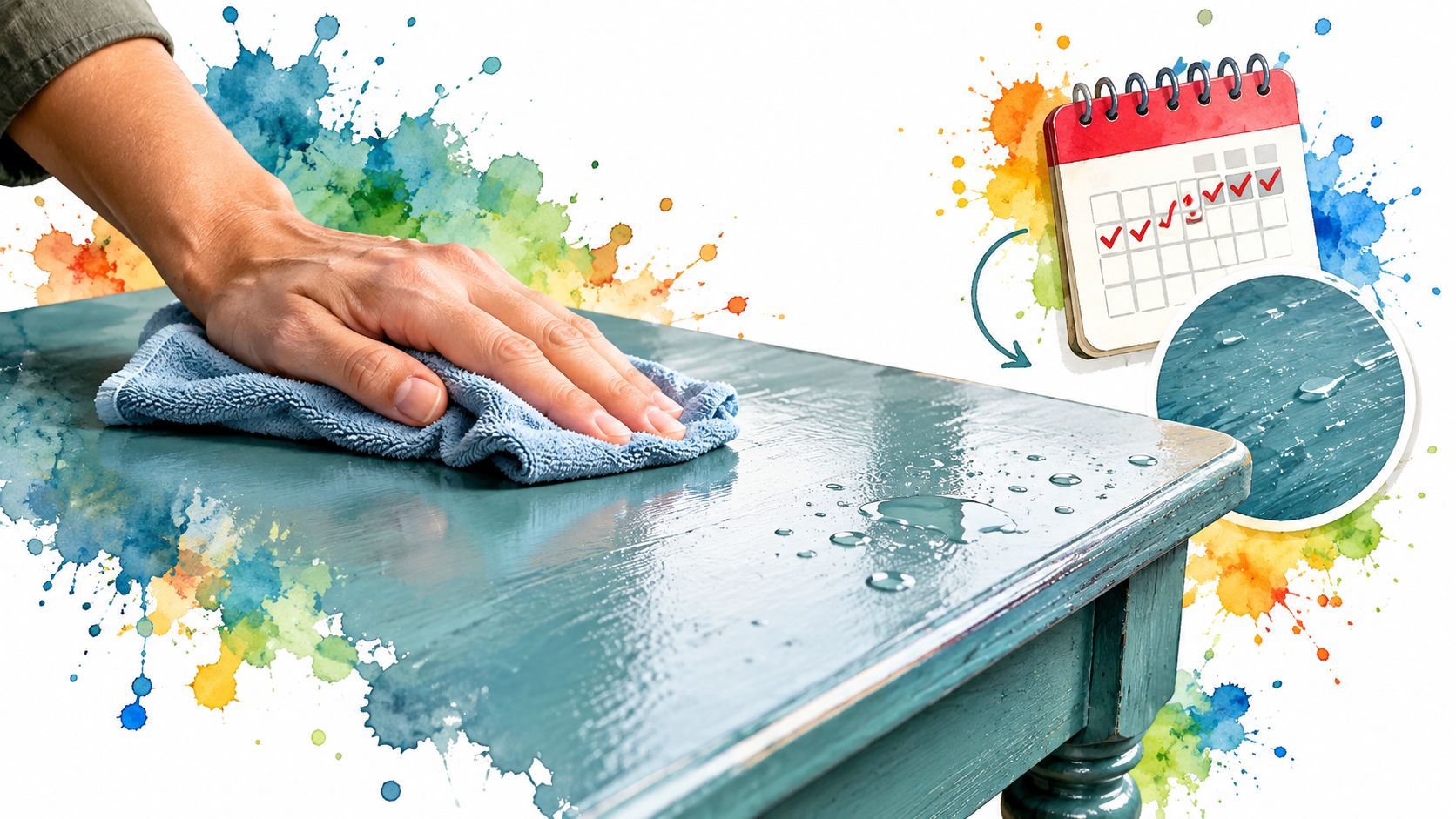
That early cure window is where patience pays off. A family that waits before scrubbing, stacking, or dragging objects across the top gives the film a better chance to harden properly.
Know what everyday wear looks like
Painted wooden furniture can be quite durable because paint penetrates into the wood and forms a strong bond, but conservation guidance also notes that the finish creates a complete film that can crack or loosen as wood expands and contracts. Over time, loss of adhesion can lead to flaking and finish failure, as explained in Canadian conservation guidance on furniture finishes.
Early warning signs include:
- Fine cracking: often appears first near edges or joints
- Dull patches: may show repeated rubbing or cleaner damage
- Lifting or flaking: suggests the bond is failing
- Sticky feel after curing should be complete: may point to finish stress or product mismatch
A simple care routine
Most painted furniture does best with calm, consistent care rather than aggressive deep cleaning.
- Dust gently: Use a soft, dry cloth before grime builds up.
- Clean lightly: Choose a mild approach rather than harsh household sprays.
- Protect from extremes: Strong sun, heat, and damp conditions can shorten finish life.
- Address nicks early: Small chips are easier to touch up before the edge spreads.
Households trying to preserve investment pieces over the long haul often review wood furniture protection methods before deciding where to place painted items in the home.
Choosing Custom Paint Finishes That Fit Your Home and Lifestyle
A custom finish works best when style and routine agree with each other. A family may love the look of a dead-flat painted sideboard, but if that sideboard sits beside the breakfast table and gets wiped after every meal, the prettiest option on paper may not be the smartest one at home.
Start with how the room lives
Light comes first. Bay Area homes often shift dramatically through the day. Fog-softened mornings, bright afternoon exposure, and warm evening lamps all change how painted furniture reads. Higher sheen catches more reflection. Lower sheen looks quieter and more tactile.
Then look at traffic. A calm guest room can handle a softer painted finish than an entry bench that sees bags, jackets, and rushed weekdays. Pets, children, and frequent entertaining usually push the decision toward more practical surfaces.
Know when paint is the right move
Paint often makes sense when a room needs visual calm. It can simplify a busy space, unify mixed materials, and give traditional forms a fresher profile. Painted finishes can also be useful when the underlying grain isn't the star and the goal is color, contrast, or a cleaner silhouette.
Current style coverage creates an interesting split. Painted furniture is still described as mainstream for 2026 in Country Living trend reporting, while separate finish discussions note growing interest in natural wood, low-sheen surfaces, and movement away from painted upcycling in some interiors. That doesn't mean painted furniture is out. It means buyers should be selective.
Natural wood often wins when grain, warmth, and long-term patina matter more than color control.
When natural wood may be the better choice
Paint isn't always the answer.
- Character-rich wood: If the species has beautiful grain, paint may hide its best quality.
- Resale flexibility: Natural finishes often adapt easily as wall colors and fabrics change.
- Low-sheen organic interiors: Stained or oiled wood may fit better than opaque painted surfaces.
- Future touch-ups: Some natural finishes can age more forgivingly than painted films.
Custom Furniture becomes valuable. Buyers aren't limited to what's on the floor. They can compare wood species, painted finishes, stains, fabrics, and leathers as one connected decision. In Furniture South San Francisco, that kind of no-pressure guidance matters because the right answer usually sits at the intersection of design taste and real household habits.
One practical option for shoppers weighing those variables is Giorgi Bros. Furniture, which offers custom order choices in wood species, finishes, fabrics, and leathers with Non-Commission Sales Staff and Design Experts who can help match the finish to the room rather than forcing a quick floor-sample decision.
Bring Your Vision to Life With Giorgi Bros Furniture
A good paint finish does two jobs at once. It shapes the look of the piece, and it protects the investment underneath. When buyers choose well, they don't just get a color they like. They get furniture that fits the rhythm of their home and holds up with fewer regrets.
That long-view mindset has mattered since 1933 in South San Francisco. Family-owned businesses tend to understand that customers aren't shopping for throwaway pieces. They're trying to make sound decisions for the next chapter of their home. That's why no-pressure guidance still matters, especially when a finish choice affects durability, upkeep, and long-term style.
Why finish selection belongs in the investment conversation
Quality furniture is easier to justify when buyers think beyond today's delivery date. Better construction and a better-matched finish can help a piece stay useful and attractive longer. That supports a more sustainable buy-it-for-life mentality, and it can save money over time by reducing replacement cycles.
For households planning a full room or whole-home project, finish selection also works best when it's part of a larger design conversation. Bay Area Interior Design often involves balancing painted and natural wood pieces, upholstery textures, rugs, lighting, and architecture so the home feels collected rather than overmatched.
What shoppers can expect
A well-run showroom helps people compare finishes in person, not just on a screen.
- Touch and test: Surface feel, light reflection, and color depth read differently in person.
- Customize thoughtfully: Custom Furniture orders can coordinate finishes with fabrics, leathers, and wood species.
- Plan for delivery: White-glove service matters when investment pieces need careful setup.
- Ask about budget tools: Financing options are available for buyers who want to phase in quality over time.
Shoppers exploring custom furniture design services often find that the finish decision becomes much easier once they can compare real samples, room goals, and daily habits side by side. That same conversation can extend to Amish Furniture, dining collections, bedroom pieces, and even Premium Mattresses when the project covers more than one room.
For homeowners comparing paint finish furniture in person, Giorgi Bros. Furniture offers a 50,000 square foot South San Francisco showroom with custom finish options, Design Consultation support, and no-pressure guidance from experienced Consultants. Visit the showroom to touch, feel, and compare painted and natural wood finishes side by side, or book a consultation to build a room plan that fits how the home is used.